
First Cruise Holiday: Everything You Need to Know Before You Go
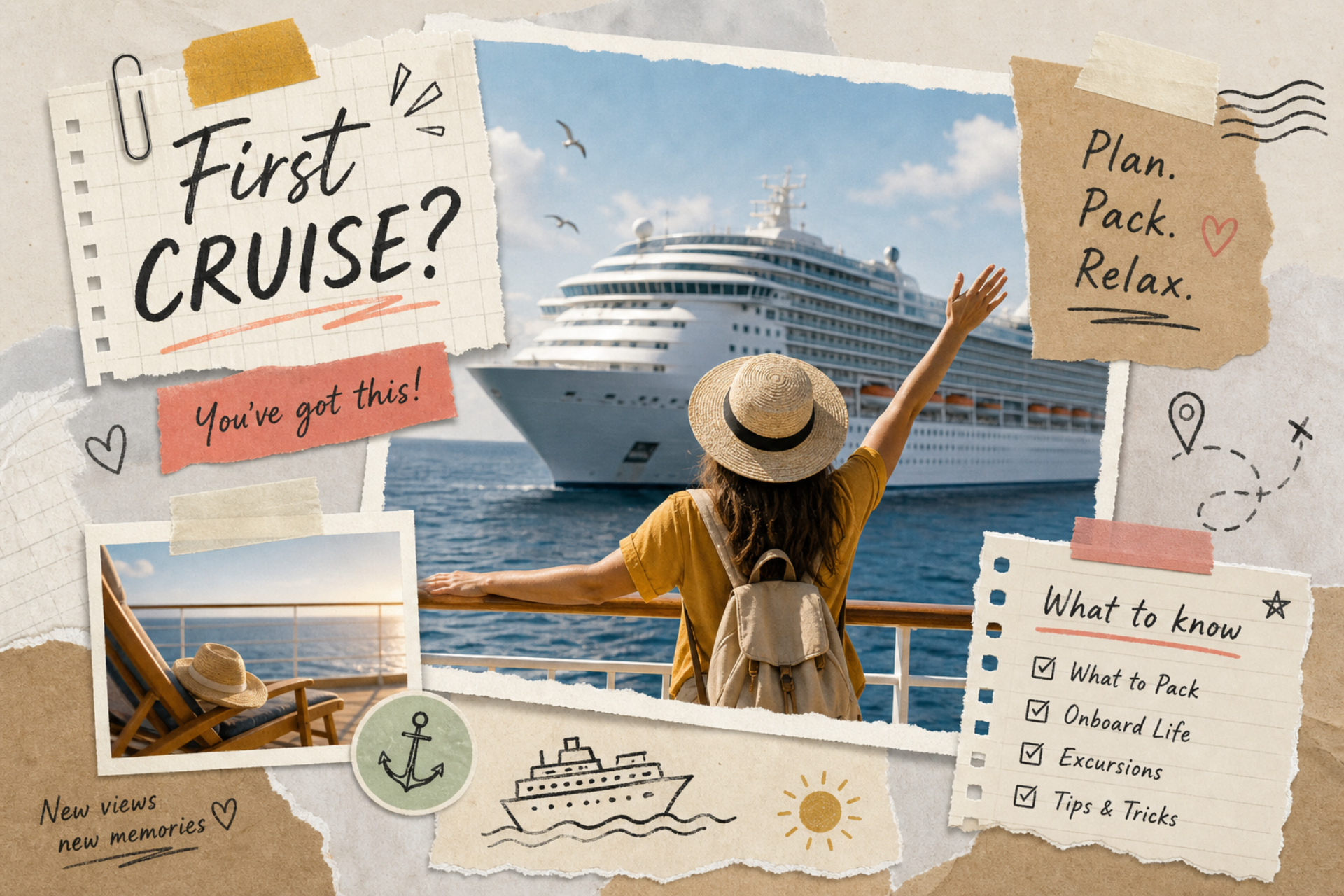
First-time cruisers often assume the document question is straightforward. It isn't always, and getting it wrong means getting denied boarding. The single safest rule for British travellers is this: carry a valid passport book with at least six months of validity beyond your return date. This applies to every major region, whether you're sailing the Caribbean, the Mediterranean, or Alaska. That six-month buffer isn't bureaucratic caution; it covers you if a medical emergency requires an emergency flight home from a foreign port.
You may have read about a "closed-loop exception" that allows US citizens to sail on some domestic itineraries using a birth certificate and photo ID instead of a passport. That exception does not apply to UK or non-US travellers. British passengers sailing from Southampton or flying abroad to join a cruise always need a valid British passport. There are no workarounds, and the cruise line will not make exceptions at the terminal.
Visa requirements depend on both your nationality and the specific ports your ship visits. UK travellers are generally visa-free across the Caribbean and most of the Mediterranean under short-stay rules, but requirements vary at individual ports for some passport holders. Your cruise line provides a visa guidance tool during booking; use it, and cross-reference with the UK government's travel advice at gov.uk. If you want to review how major lines present passport and visa rules for travellers, see NCL's travel documents guidance or Royal Caribbean's travel documents guidance. On embarkation day itself, keep your passport, boarding pass, and any printed documents in your carry-on bag, never in the suitcases handed to porters at the terminal entrance.
Choosing the Right Ship and Cabin Before You Book
The ship you choose and the cabin you select shape your entire experience more than most first-timers realise. This isn't primarily a question of budget versus luxury. It's about choosing an environment where you'll feel at ease rather than overwhelmed, and that decision starts long before you reach the port.
Cabin location has a direct effect on how much motion you feel. Midship cabins on middle or lower decks experience the least rocking and rolling in open water. If motion sickness is a concern, booking a midship cabin is one of the most practical decisions you can make before you ever board. Stern cabins and upper-deck rooms amplify the ship's movement noticeably in rougher seas.
For a first cruise, an outside cabin or balcony strikes the best balance between comfort and value. Inside cabins are perfectly adequate for travellers who plan to spend most of their time out of the room, but the natural light and outdoor access of a balcony cabin can genuinely help with any mild motion discomfort. As for ship size: mega-ships carrying 5,000 to 7,000 passengers offer a resort-like scale with enormous variety, while mid-size ships feel more relaxed and are often preferred by first-timers who want to find their sea legs without navigating a floating city. Neither is objectively better. It depends entirely on how you like to travel.
What Your Fare Actually Includes, and What Will Surprise You Later
This is the question that catches more first-time cruisers off guard than any other. The standard cruise fare on mainstream lines covers your cabin, main dining room meals, buffet access, pool, gym, standard entertainment, and most onboard activities. Everything beyond that baseline is charged separately to your onboard account, which is linked to your cruise card from the moment you board.
For a clear breakdown of what is and isn't typically included, see what's included in your cruise fare.
The extras that accumulate most quickly are gratuities, drinks, and Wi-Fi. Automatic daily gratuities run at roughly £12 to £18 per person per day on most major cruise lines, covering your cabin attendant and dining staff. Alcoholic drinks, bottled water, sodas, and specialty coffees are charged individually unless you've pre-purchased a drinks package. Wi-Fi is a separate charge, typically £15 to £25 per device per day. Shore excursions booked through the ship add another £40 to £150 or more per person at each port.
A realistic budgeting rule for a 7-night cruise: add 30 to 50 percent on top of your base fare to cover gratuities, drinks, one or two excursions, and incidentals. Many cruise lines now offer bundled packages that combine gratuities, a drinks allowance, and Wi-Fi at a discounted rate. These packages represent genuine value and are worth examining at the time of booking, you can review sample cruise offerings with Skylord Cruise and Holidays if you want examples tailored to common budgets. Prepaying gratuities is widely recommended by experienced cruisers to avoid a larger-than-expected final bill on disembarkation morning.
What Should I Know Before Going on My First Cruise Holiday, Seasickness and Wellbeing
Nearly every first-time cruiser asks about seasickness, and the honest answer is more reassuring than most people expect. Modern cruise ships are large enough that most passengers feel very little movement most of the time. Open-ocean crossings and rough weather are the exception, not the rule, and individual susceptibility varies considerably. Being prepared is far more useful than worrying.
The most effective approach is combination prevention. Choose a midship, lower-deck cabin. When on deck, fix your gaze on the horizon rather than looking down at a screen. Eat light meals, stay hydrated, and avoid alcohol in rough conditions. Over-the-counter medications like meclizine (Bonine) or dimenhydrinate (Dramamine) work best when taken one hour before departure, not after symptoms begin. Many cruisers find acupressure wristbands helpful, and since they carry no side effects, they're worth packing as a low-risk addition to your kit.
If you have a history of severe motion sickness, speak to your GP before sailing about a scopolamine patch. Applied behind the ear three to four hours before departure, it lasts up to three days and is one of the most effective options available for longer voyages. It isn't suitable for everyone, so a medical conversation beforehand matters. Should you need treatment onboard, every cruise ship carries a staffed medical centre with qualified physicians available around the clock. They stock antiemetics, IV hydration for severe cases, and prescription motion sickness treatments, for practical guidance on what to pack in your onboard medical kit, see this guide to packing a cruiser's medical kit. Onboard consultations typically cost between £40 and £120, which is exactly why comprehensive travel insurance covering onboard medical expenses is genuinely worth having.
Cruise Embarkation Tips, How Embarkation Day Actually Works
Embarkation day is more straightforward than most first-timers expect, but arriving without understanding the process adds unnecessary stress. The sequence is the same at almost every terminal in the world.
If your cruise departs from a port you're flying to, book your flight to arrive the evening before sailing, not the morning of departure. Flight delays are unpredictable. Missing your ship's departure due to an airline issue is not covered by the cruise line, and the ship will not wait. The cost of an extra night in a port hotel is modest compared to the risk of watching your holiday sail away without you.
At the terminal, hand large bags to porters at the drop-off point and keep medications, valuables, and day-one essentials in your carry-on. Move through security, proceed to the check-in desk, collect your cruise card, and board. Complete online check-in as early as your cruise line allows, many lines open the process weeks in advance, and the earliest check-in completions secure the earliest boarding slots, typically from 10:30 to 11:00 AM. For details on completing your boarding-pass online for specific lines, consult this online check-in guide. Cabins are generally ready by 1:00 to 2:00 PM, but lunch on the ship is available from the moment you board.
Your embarkation day carry-on should contain all prescription medications, a change of clothes or swimwear if you plan to use the pool that afternoon, travel documents, your phone charger, and any valuables. Checked luggage arrives in your cabin by late afternoon, pack your swimwear in your carry-on if you want that first afternoon on deck.
Your Cruise Holiday Checklist, Run Through This Before You Leave Home
Most pre-cruise anxiety comes from the nagging feeling that something has been forgotten. Running through a clear cruise holiday checklist a week before you sail eliminates that feeling almost entirely.
- Confirm your passport is valid for at least six months beyond your return date.
- Download the cruise line's app, complete online check-in, and save your boarding pass digitally and as a printed backup.
- Pack motion sickness medication in your carry-on, even if you don't expect to need it.
- Bring a power strip without a surge protector. Cruise ship cabins typically have limited sockets and many lines prohibit surge-protected strips.
- Pack at least one smart outfit if your ship holds formal dinner evenings, which most mainstream cruise lines still do once or twice per sailing.
- Use reef-safe sunscreen formulations, which are required at many Caribbean port destinations.
- Call your bank to flag your travel dates and destinations so your card isn't blocked when you spend onboard.
Confirm your port transfer or parking arrangement in the final week, and check that your travel insurance policy covers onboard medical expenses and potential itinerary changes. Set an out-of-office reply before you leave. A cruise holiday is designed to take care of the details. Your job is to arrive ready to let it.
You're More Prepared Than You Think
A first cruise holiday is not a complicated undertaking. It requires knowing the right things in advance, and now you do. You know which documents to carry, how to choose a cabin that suits you, what your fare actually covers, how to handle the possibility of seasickness, and exactly what to expect when you step onto the gangway on embarkation day.
The anxiety that surrounds a first cruise almost always dissolves the moment you step onboard and realise how well the entire experience has been designed. Everything has been thought through. The ship, the staff, the itinerary, all of it exists to make the experience seamless. You just have to show up prepared.
If you're still asking yourself what you should know before going on your first cruise holiday, the team at Skylord Cruise and Holidays, About us is here to help. Every first-time cruiser who comes to us gets this conversation in person, tailored to their specific trip and their specific concerns. Reach out before you book and sail with complete confidence.