
A History of Majorca and the Best Resorts
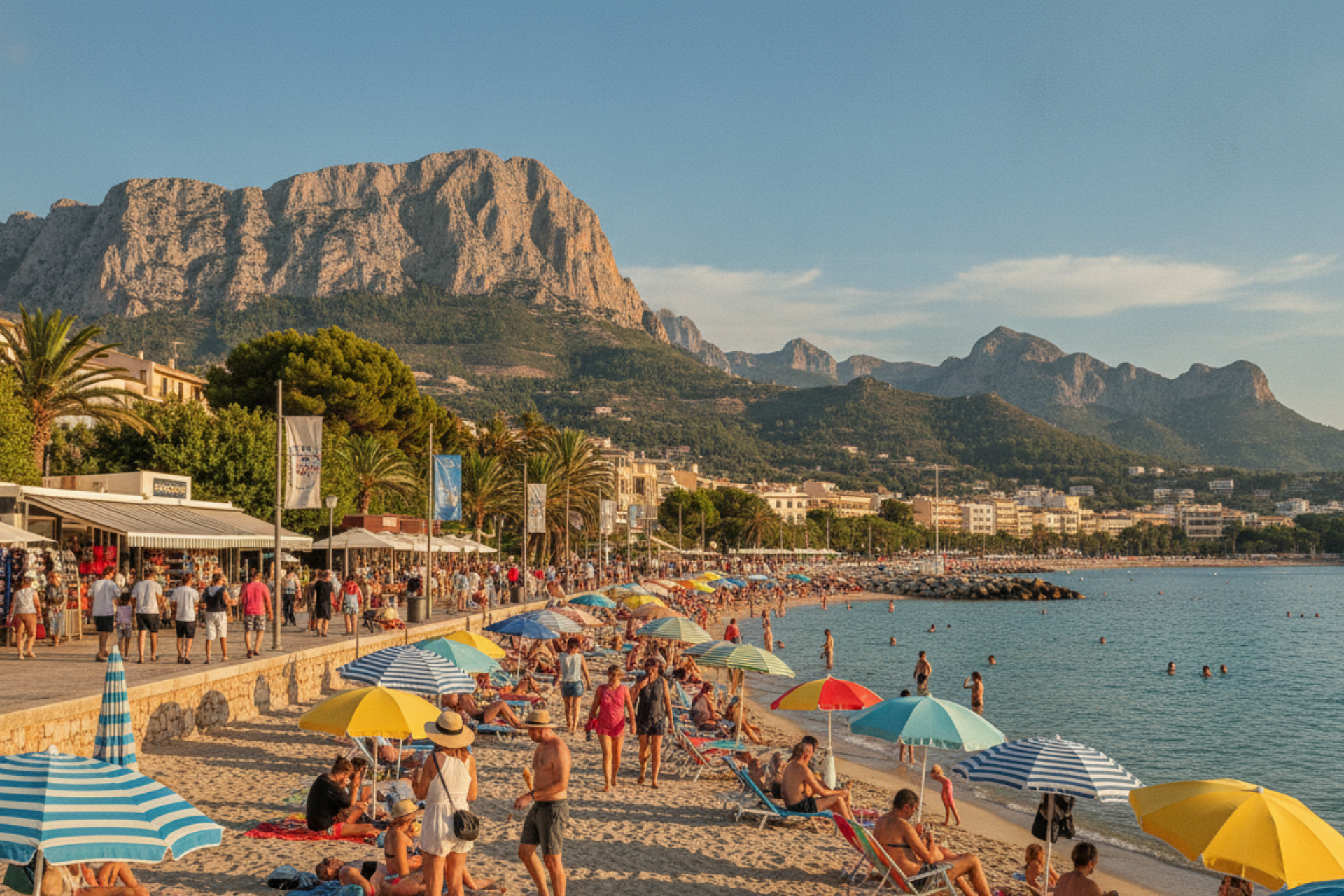
A History of Majorca and the Best Resorts
Did you know over 10 million visitors go to the Balearic Islands each year? This huge number shows how much people love this Mediterranean spot for its sun and culture.
Majorca is more than just beaches. You can see ancient Roman ruins, explore quiet villages, or enjoy lively resorts.
The island has something for everyone. You might want to visit Palma, relax on the east coast, or see the west mountains. With a new 2025 direct flight from Montreal, it's easier than ever to get there.
This travel guide makes planning easier. We'll look at Majorca's history and help pick the best resorts and places to stay for your trip.
Key Takeaways
- Majorca has history, mountains, and beaches for everyone.
- It suits all tastes, from city life to quiet countryside.
- New flights make it easier for people worldwide to visit.
- Picking the right resort makes your holiday special.
- This guide helps you plan your trip and where to stay.
Introduction to Majorca's Charm
Choosing Majorca as your next holiday destination opens up a world of beauty. The island is not just one place. It's a mix of different areas, each with its own charm.
The western side is home to the Serra de Tramuntana mountains. Here, you can enjoy outdoor adventures, hiking, and stunning views. It's a wild side of Majorca, unlike anywhere else.
On the other hand, the east and north coasts are calm and peaceful. They have quiet coves and sandy beaches. It's perfect for those who love to relax or explore hidden spots.
Majorca has something for everyone. Whether you're into history, food, or lively towns, you'll find it here. Knowing what you like helps pick the best place to stay. This way, your holiday will be exactly what you dreamed of.
The Historical Significance of Majorca
History is deeply rooted in Majorca, waiting for you to explore it. The island is like a living museum, showing human history over two millennia. By visiting local villages and monuments, you'll understand the Balearic Islands better.
Early Inhabitants and Settlements
People have lived on the island for about 2,000 years. Archaeological sites show evidence of these ancient times. The Naveta near Porto Colom is a great example of early building skills.
Major Historical Events
The Romans had a big impact on the island, changing its infrastructure. These changes helped develop trade and farming. Today, you can see why Majorca was important to ancient sea powers.
Influence of Moorish Culture
The Moors brought advanced irrigation and architecture, changing the island. Places like Estellencs and Pollença show this in their narrow streets and stone buildings. These features add to the Balearic Islands' charm.
| Historical Era | Key Influence | Lasting Legacy |
|---|---|---|
| Prehistoric | Naveta structures | Ancient stone foundations |
| Roman | Urban planning | Roads and trade routes |
| Moorish | Agricultural systems | Village architecture |
Majorca in the Middle Ages
Exploring majorca today, you can see the impact of medieval rule. This era was a time of big change. It shaped the island's streets and its role in the Mediterranean.
The Arrival of the Crown of Aragon
The Crown of Aragon conquered the island in the 13th century. This changed everything. It brought the island into a wider European network, leading to big social and political changes. Governance and trade systems were updated to match the mainland, starting a long period of growth.
Architectural Developments
Medieval builders left a lasting mark. In Pollença, you can see the old Roman bridge and the 13th-century Desbrull Tower. These show how medieval fortifications were built to protect or use old settlements. This gives a unique look into the island's history.
Majorca's Role in Maritime Trade
The island's shape made it perfect for sea trade. Coastal towns and harbours were key to the economy, linking to far-off ports. Today, you can visit historic harbours in majorca, like Palma, Sóller, and Portocolom.
These places were crucial for merchants and sailors back then. Walking through these towns, you learn how maritime trade helped the island grow. The legacy of these busy ports still shapes the coast.
Majorca Through the Renaissance
Beyond its sun-drenched beaches, majorca has a rich history of art and learning. The Renaissance made it a centre of creativity and new building styles.
Cultural Flourishing and Arts
In this time, the island's look changed a lot. Local artists and builders started using new designs in buildings. They moved away from just making things that worked.
This time laid the groundwork for majorca as a place for artists today. You can see this in the detailed stone work and old courtyards in the historic areas.
Key Figures of the Renaissance Era
The culture of majorca was shaped by creative minds who came here. Valldemossa is famous for being a home to Frédéric Chopin and George Sand. They found peace there.
"The island is a green fragment of the earth, a place where the soul finds rest and the mind finds clarity."
Deià is also important, attracting poet Robert Graves. These famous visitors helped make majorca a haven for artists and thinkers worldwide.
Economic Growth and Challenges
The island's wealth came from sea trade and farming. But, it faced big problems like pirate attacks and needed strong defences.
To tackle these issues, the local leaders focused on a few key things:
- Improving trade links across the Mediterranean.
- Building strong defences for the coast.
- Starting local businesses to be ready for hard times.
Thanks to these efforts, majorca stayed strong and vibrant, even with tough times. Today, you can see the history that makes the island special.
The 19th Century: A Transformative Period
The roots of today's majorca go back to the 19th century. This time was key in changing the island from a farming place to a world-famous holiday spot.
Tourism Begins in Majorca
In the 19th century, the first tourists came to the island. They were attracted by the unspoilt beauty of the Mediterranean and the nice weather.
"The island is a garden of delights, where the air is filled with the scent of orange blossoms and the sea whispers secrets of the past."
This early interest in the island's natural beauty helped make majorca known as a place for rest and discovery. It laid the groundwork for the infrastructure that would welcome millions of visitors later.
Industrial Developments
The island's economy grew thanks to its fertile land and local products. The orange groves in Sóller became a sign of wealth, connecting the island to the world.
The olive oil farms in Caimari also thrived, showing the resilience and skill of local farmers. These industries kept the island self-sufficient and built the wealth needed for modernisation.
The Legacy of Majorca's Nobility
The island's look today comes from the grand estates and stone buildings built by the rich. These show the time when the nobility greatly shaped majorca.
Places like:
- Historic manor houses with traditional stone masonry.
- Old religious sites that were cultural centres.
- Preserved estates that give a peek into 19th-century life.
These landmarks still draw visitors today. They offer a tangible connection to the island's history. They are a big part of what makes the island so charming.
Discovery of Majorca as a Tourist Destination
The journey of Majorca as a leading holiday destination started after World War II. Before then, the island focused on farming and local trade. As travel in Europe changed, Majorca quickly opened its doors to visitors worldwide.

Post-War Tourism Boom
In the 1950s and 1960s, Majorca's popularity soared. Investors saw the Balearic Islands' potential, building hotels and key infrastructure. This laid the groundwork for today's tourism industry.
"Majorca is a place where the light of the Mediterranean meets the warmth of a welcoming culture, creating an experience that stays with you long after you leave."
Diversification of Attractions
At first, people came for the beaches. But soon, Majorca offered more. Today, you can enjoy culinary tours, mountain hikes, and exploring history. This variety keeps the island appealing to all sorts of visitors.
| Era | Primary Focus | Travel Style |
|---|---|---|
| 1950s | Coastal Relaxation | Charter Packages |
| 1990s | Mass Tourism | All-Inclusive Resorts |
| 2025 | Multi-Centre Trips | International Flights |
Introduction of International Flights
Connecting Majorca to the world has been key to its growth. Today, you can fly directly to the island from many global airports. For example, the 2025 direct flight from Montreal shows Majorca's commitment to global travel.
With these flights and good transport inside the island, planning trips is easier. Whether you're here for a quick visit or a longer stay, getting around is simple. Explore Majorca's varied landscapes with confidence.
Majorca's Diverse Landscape and Natural Wonders
Majorca is a treasure trove of mountains, caves, and beaches. It's a true gem of the Mediterranean, with landscapes for every taste. Whether you're into adventure or just want to chill, Majorca has it all.
Beaches and Coastlines
The east coast of Majorca is known for its calm waters and many coves. It's perfect for swimming, boat trips, and visiting beach resorts. The coast is easy to get to, great for families and those who love the sea.
The west coast, on the other hand, has dramatic cliffs and rocky inlets. It's not as focused on beach resorts, but the views of the Mediterranean are breathtaking. Here are some tips for your coastal adventures:
- Check local weather forecasts before planning boat excursions.
- Pack appropriate footwear for rocky coastal paths.
- Visit during the shoulder seasons to avoid peak crowds.
Mountains and Hiking Trails
The Serra de Tramuntana mountain range dominates the west. It's a paradise for hiking, cycling, and scenic drives. The roads wind through stunning views of the island and the sea.
The terrain is tough, so you need to be fit for long trails. Majorca has trails for all, from casual strolls to serious hikes. Always carry enough water and snacks when exploring the highlands.
Enchanting Caves
Underneath the surface, Majorca has a network of limestone caves. These are a must-see for those who want to explore off the beaten path. Some caves are easy to visit with guided tours, while others need more planning.
For example, Cala Varques is a hidden gem that's not often visited. To get there, you need to trek a bit, so remember to bring water and sun protection. Majorca offers these special experiences for those who love to find hidden treasures.
Exploring Majorca's Cities and Towns
Discover the hidden character of Majorca by exploring its historic cities and charming inland towns. While the coastline draws many visitors, the urban centres provide a deeper look into the island's rich heritage. You can easily combine these cultural visits with a stay at a coastal resort for a balanced holiday experience.
The Capital: Palma
Palma is the vibrant heart of the island, offering a wealth of attractions for every traveller. Start your visit at the iconic La Seu Cathedral, a masterpiece of Gothic architecture overlooking the sea. Wander through the narrow, winding streets of the Old Town to discover hidden courtyards and historic palaces.
Don't miss the Castell de Bellver, which provides panoramic views of the bay. The city also hosts numerous museums and galleries that showcase both traditional and contemporary art. It is the perfect starting point for any multi-centre itinerary.
Historical Towns: Alcúdia and Sóller
Alcúdia is famous for its well-preserved medieval walls and proximity to expansive sandy beaches. It offers a unique blend of ancient history and modern resort convenience. You can walk along the ramparts before heading to the coast for a relaxing afternoon by the water.
In contrast, Sóller is nestled in a lush valley surrounded by the Tramuntana mountains. The town is best reached via the historic wooden railway that winds through scenic orange groves. Its central square, dominated by the impressive Sant Bartomeu church, provides a tranquil atmosphere for your visit.
Cultural Hotspots: Artà and Pollença
Artà remains a quiet gem, known for its traditional architecture and the hilltop sanctuary of Sant Salvador. The town is an excellent place to experience local markets and authentic island life. Its galleries and craft shops highlight the creative spirit of the region.
Pollença offers a similar cultural appeal with its famous Calvari steps and historic stone buildings. You will find many local artists displaying their work in small studios throughout the town. These locations are ideal for those seeking a slower pace and a deeper connection to local traditions.
| Town Name | Primary Feature | Best For |
|---|---|---|
| Palma | Gothic Cathedral | Culture and Shopping |
| Alcúdia | Medieval Walls | History and Beaches |
| Sóller | Mountain Railway | Scenery and Hiking |
| Artà | Hilltop Sanctuary | Authentic Atmosphere |
Majorca's Culinary Scene
Exploring the food scene in Majorca is a must on your island holiday. The local food uses fresh, seasonal ingredients. These come from the land and the Mediterranean waters.
Traditional Dishes to Try
Start by trying the island's iconic recipes. In Valldemossa, don't miss the coca de patata. It's a sweet potato bun that goes well with hot chocolate.
Inland villages offer tumbet. It's a vegetable dish with fried aubergine, potatoes, and peppers in tomato sauce. For a simple lunch, try pa amb oli. It's rustic bread with tomato and olive oil.
Famous Local Ingredients
The quality of ingredients makes the region's food special. You'll find local olives, citrus preserves, and sea salt everywhere. These are made using old methods.
Try the local wines too. The island's vineyards make unique wines that go well with the Mediterranean diet. These ingredients are key to the authentic flavours you'll find.
"The secret of the Mediterranean diet is the simplicity of the ingredients and the respect for the seasons."
Recommended Restaurants
Where to eat depends on your location and what you like. Palma has many high-end and modern bistros for a fancy evening. For a quieter spot, try family-run places in smaller resorts.
| Dish Name | Primary Ingredient | Best Region |
|---|---|---|
| Coca de Patata | Sweet Potato | Valldemossa |
| Tumbet | Aubergine | Inland Villages |
| Pa amb oli | Olive Oil | Western Coast |
Family-run spots offer a real authentic experience. Whether in a city or coastal town, Majorca's food scene is unforgettable.
Activities and Attractions for Visitors
Exploring the island shows a wide range of attractions for all. You can find activities for every fitness level and interest. The diverse landscape of Majorca offers both energetic and quiet moments.
Water Sports and Activities
The coastline is perfect for water lovers. Try snorkelling in Cala Mondragó's clear coves or go on a boat trip to see sea caves. Many beaches have calm, shallow waters for a cool swim.
Cultural Festivals and Events
For those who prefer to stay dry, the island has a lot to offer. Visit local markets in towns like Sineu to see traditional crafts. Historic sites are also great activities on rainy days.
Outdoor Adventure Options
The Serra de Tramuntana mountains are great for hikers and cyclists. For a slower pace, try horseback riding or exploring caves. These activities make your visit to Majorca exciting, no matter your preference.
| Activity Type | Intensity Level | Best For |
|---|---|---|
| Snorkelling | Low | Marine Life Enthusiasts |
| Mountain Cycling | High | Fitness Seekers |
| Cultural Markets | Low | History and Culture |
| Caving | Medium | Adventure Seekers |
Majorca's Best Luxury Resorts
From the rugged western mountains to the serene eastern coastline, Majorca is home to some of the Mediterranean's finest luxury properties. Finding the perfect retreat means balancing your need for privacy with easy access to local culture and transport.
Whether you dream of a romantic hideaway or a sophisticated base for exploring, Majorca has it all. Always compare prices and consider location benefits before booking.
Top Luxurious Hotels Overview
The western villages of Deià and Valldemossa are famous for their romantic atmosphere and historic charm. These areas offer intimate, high-end boutique hotels perfect for a quiet escape from the crowds.
In contrast, Sóller is a great base for exploring the Tramuntana mountains and is close to the port. Palma offers urban sophistication with world-class hotels that mix modern design with traditional architecture. Many of the best hotels are converted manor houses or historic estates.
Facilities and Services Offered
Luxury properties across the island focus on guest comfort with top-notch facilities. Expect concierge-style services for private excursions, restaurant bookings, and transport.
Most premium resorts boast state-of-the-art spas, infinity pools, and fine-dining restaurants. These ensure a seamless, tailored stay.
Locations with Stunning Views
The island's geography shapes the scenery you'll enjoy. Coastal harbours offer sea access, while mountain-side resorts provide breathtaking Mediterranean views.
Choose between the dramatic cliffs of the west or the golden sands of the east beach resorts. Each area offers a unique view of Majorca's natural beauty.
| Location Type | Best For | Primary Feature |
|---|---|---|
| Western Villages | Romantic Stays | Mountain Vistas |
| Palma City | Culture & Dining | Historic Architecture |
| Coastal Harbours | Sea Access | Marina Views |
| Eastern Coast | Beach Relaxation | Sandy Shores |
Budget-Friendly Accommodation in Majorca
You can have a great holiday in Majorca without spending too much. Look for the right places to stay. Many affordable spots are hidden for those who know where to look. Choosing smaller towns or mid-range hotels can save you a lot of money.

Recommended Budget Hotels
Finding best hotels that are affordable but still offer great service is easy. Staying in smaller towns can help you save money. Check out a list of the 15 best budget but beautiful hotels in Majorca to find your perfect stay.
Alternative Options: Hostels and Apartments
For more freedom, think about staying in an apartment or hostel. These are often cheaper, great for families or groups. The eastern coast has bigger rooms and better views than the west.
Here are some places to consider:
- Sóller: It's charming and has mid-range prices.
- Northern Majorca: Has many beach resorts that are good for those on a budget.
- Eastern Coast: Offers more space and value than the west.
Tips for Saving While Travelling
Planning ahead is key to saving money on your trip. Here are some tips to help you:
- Book early: Book your stay months in advance for better prices.
- Travel off-peak: Visit in the off-season to get discounts.
- Use public transport: Majorca's bus network is efficient and cheaper than renting a car.
- Stay local: Pick smaller towns to save on food and services.
Being flexible with your dates and location can help you enjoy Majorca without breaking the bank. Focus on the charm of smaller villages for a memorable and affordable trip.
Family-Friendly Resorts and Activities
Majorca has many places perfect for families from the UK. Choosing the right place makes your holiday fun for everyone.
Best Family Resorts in Majorca
Port de Pollença is great for families. It has lots of space by the sea and is calm. The water is shallow, so kids can swim safely.
Alcúdia is also a top pick. It's close to Playa de Muro, a big beach. Here, you'll find many resort services and shops nearby.
Portocolom is quieter. It has Cala Marçal, a safe spot for families. It's away from the busy areas.
Kid-Friendly Attractions
The island has lots of attractions for kids. Many resorts have splash parks and playgrounds. They're close to where families stay.
Many beach resorts have kids' clubs. These clubs let kids play while parents relax. They offer games and activities.
Activities for All Ages
Doing local activities is fun for everyone. You can take easy boat trips. They show off the coast without being too hard.
When picking best hotels, look for good facilities. Make sure rooms are big enough and not too far from the airport. This saves time.
Check the pools and food options before you book. A hotel with flexible meals and shallow pools makes your stay in Majorca better.
Sustainable Tourism in Majorca
You can help protect the beauty of majorca while you're there. By travelling responsibly, you ensure the island stays lovely for others to see in the future.
Eco-Friendly Resorts and Practices
Many places on the island follow strict rules to keep their look unchanged. Towns like Puerto Pollensa, Deià, and Sóller limit new buildings to keep their old charm. This stops the island from getting too crowded.
When you book your trip, choose places with green certifications. These places focus on saving energy, water, and cutting down waste. This helps them be kinder to the planet.
Conservation Efforts
The island's government and groups work hard to save its beaches and mountains. Their efforts keep the island's natural beauty alive.
Visitors should follow the rules, like staying on paths in remote spots. This helps prevent damage to the land and plants.
How Tourists Can Contribute
Choosing activities that don't harm the environment helps a lot. Using public transport instead of cars cuts down on pollution.
Buying local food and items supports small businesses. It also means less need for long trips to get goods. Always try to leave no trash behind, keeping beaches and countryside clean.
| Action | Benefit | Impact Level |
|---|---|---|
| Use public transport | Lower carbon footprint | High |
| Buy local produce | Supports local economy | Medium |
| Respect marked trails | Protects biodiversity | High |
| Reduce plastic waste | Keeps beaches clean | High |
Nightlife and Entertainment in Majorca
When the sun goes down, Majorca comes alive. The island's evening vibe changes depending on where you are. Palma is buzzing with energy, while coastal towns are more laid-back.
Popular Nightclubs and Bars
Palma is the heart of Majorca's nightlife. You'll find everything from fancy cocktail bars to dance clubs. These places stay open late, perfect for those looking for fun activities.
For a quieter night, try Sant Elm. It's great for a calm evening by the sea. Though there aren't many places to go, it's peaceful.
Live Music Venues
Pollença is known for its live music and unique dining. It's not about big clubs but enjoying local tunes in cozy spots. It's a chance to experience Majorca's culture in a real way.
These spots showcase the island's heritage through music. It's a great choice for those who love a chill, artistic vibe. Many visitors say it's a top part of their majorca trip.
Tips for Enjoyable Evenings
Plan your evenings to make the most of your stay. Book popular spots early, as they fill up fast. Also, check the local transport, as it might not run late.
Remember, closing times differ in the city and countryside. Drink responsibly to stay safe and have fun. Here's a quick guide to what you can expect around the island.
| Location | Primary Vibe | Best For |
|---|---|---|
| Palma | High Energy | Nightclubs & Bars |
| Pollença | Cultural | Live Music & Dining |
| Sant Elm | Peaceful | Waterfront Relaxation |
Planning Your Visit to Majorca
Planning well is key to enjoying Majorca's offerings. Think about what you need and the trip's nature. This ensures a smooth experience across the Balearic Islands.
Best Times to Visit Majorca
The best time to visit depends on your weather and crowd preferences. Spring and autumn are great for outdoor fun and countryside exploration.
Summer is warm, perfect for beach fans, but places get busy. For a quieter time, visit in the shoulder seasons for a more relaxed trip.
Essential Travel Tips
Check your accommodation's details before booking. Look at transfer times, parking, and access to local spots.
Research your stay area. Santanyí is good for eastern coast exploration. Also, check if attractions and services are open during your visit.
Transportation Options on the Island
Your transport choice greatly affects your island experience. A hire car is best for remote beaches, mountain villages, and scenic drives.
But, a car might not be needed in central areas. Places like Palma, Sóller, and Valldemossa are walkable or use public transport.
- Palma–Sóller train: A scenic, relaxing drive alternative.
- Public buses: Connects major towns and tourist spots well.
- Taxis and transfers: Great for airport to resort travel.
This travel guide helps plan your trip. Whether driving or using public transport, Majorca is a great choice for your next trip.
Conclusion: Majorca Awaits You
Majorca is perfect for those who love quiet mountains or lively coastal towns. It's a flexible holiday destination with historic cities, traditional villages, and beautiful landscapes. You can find rugged mountains and stunning beaches, offering a wide range of experiences.
Choosing the right resort depends on your needs, like budget and who you're with. Look at the unique feel of each area before deciding. For more information, check out this travel guide to plan your trip.
"The beauty of the island lies in its ability to cater to both the adventurer and the person seeking total relaxation."
Here's a quick guide to help you choose:
| Location | Best For | Vibe |
|---|---|---|
| Palma | City breaks | Cultural and vibrant |
| Sóller | Mountain views | Traditional and scenic |
| Alcúdia | Families | Historic and relaxed |
| Cala Figuera | Couples | Quiet and authentic |
Majorca is a top choice for holidays, offering something for everyone. Whether you want luxury or something more affordable, there's a place for you. Explore our exclusive packages to find your perfect Majorca getaway. Book your dream trip today.
Summary of Majorca's Unique Offerings
Majorca is a place for everyone, whether you're looking for a quick getaway, a family holiday, or a luxury break. This travel guide shows how the island can be shaped to fit your holiday dreams. You can make your trip exactly how you want it.
The island has both the lively city of Palma and the peaceful Tramuntana villages. You can explore rugged mountains or enjoy the clear coves of the east coast. Majorca's mix of landscapes makes your visit unforgettable.
There's a lot to do here. You can try local food, visit historic sites, or unwind at a top resort. Even if you're watching your budget, you can still find great deals on places to stay and how to get around.
Now you can plan your trip. Pick where you want to stay, book your travel, and choose activities that fit your time. Majorca has everything you need for a holiday that's just right for you.
Planning Your Visit to Majorca
Early Inhabitants and Settlements
Major Historical Events
Influence of Moorish Culture
The Arrival of the Crown of Aragon
Architectural Developments
Majorca's Role in Maritime Trade
Cultural Flourishing and Arts
Key Figures of the Renaissance Era
Economic Growth and Challenges
Tourism Begins in Majorca
Industrial Developments
The Legacy of Majorca's Nobility
Post-War Tourism Boom
Diversification of Attractions
Introduction of International Flights
Beaches and Coastlines
Mountains and Hiking Trails
Enchanting Caves
The Capital: Palma
Historical Towns: Alcúdia and Sóller
Cultural Hotspots: Artà and Pollença
Traditional Dishes to Try
Famous Local Ingredients
Recommended Restaurants
Water Sports and Activities
Cultural Festivals and Events
Outdoor Adventure Options
Top Luxurious Hotels Overview
Facilities and Services Offered
Locations with Stunning Views
Recommended Budget Hotels
Alternative Options: Hostels and Apartments
Tips for Saving While Travelling
Best Family Resorts in Majorca
Kid-Friendly Attractions
Activities for All Ages
Eco-Friendly Resorts and Practices
Conservation Efforts
How Tourists Can Contribute
Popular Nightclubs and Bars
Live Music Venues
Tips for Enjoyable Evenings
Best Times to Visit Majorca
Essential Travel Tips
Transportation Options on the Island
The historic Palma–Sóller train is a must-try scenic route. For eastern explorations, Santanyí is a practical hub for nearby coves and markets.