
Advice on avoiding seasickness on a cruise for smooth sailing
Advice on Avoiding Seasickness on a Cruise
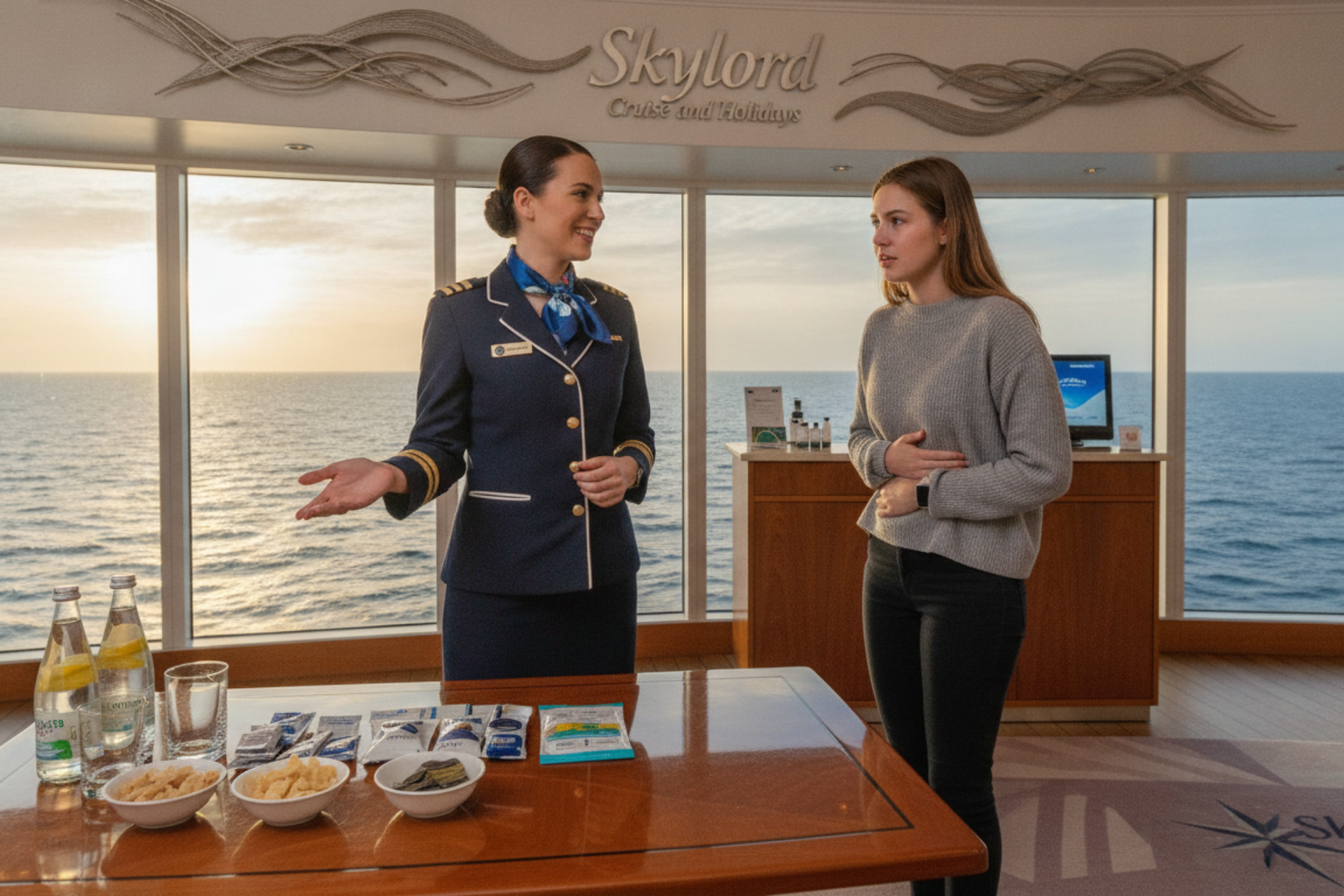
The best ways to avoid seasickness on a cruise are choosing a larger ship, selecting a midship cabin on a lower deck, staying hydrated, focusing on the horizon, and using proven remedies such as motion sickness medication or acupressure bands when needed. While modern cruise ships are designed to minimise movement, some passengers may still experience discomfort, particularly in rough seas or on smaller vessels. This guide explores practical strategies for preventing and managing seasickness, helping you stay comfortable and enjoy smooth sailing throughout your cruise holiday.
Did you know up to 75% of passengers may feel seasick? This happens when your inner ear feels movement your eyes don't see. Knowing how to handle this is key for a great holiday.
Skylord has been helping UK travellers since 1983. They know how to make your trip comfortable. Our practical guidance will keep you feeling well at sea.
Planning your next trip? Learn the best advice on avoiding seasickness before you go. Taking steps ahead lets you enjoy your holiday fully. Preparation is key for a great trip.
Key Takeaways
- Motion discomfort is caused by a sensory mismatch between your eyes and your inner ear.
- Most symptoms subside within a day or two as your body acclimatises to the movement.
- Always pack your preferred motion sickness remedies in your hand luggage for easy access.
- Consult your GP before you travel to discuss suitable medication options for your needs.
- Focus on the horizon and spend time in the fresh air to help stabilise your senses.
- Utilise the on-board medical clinic if you require further assistance during your voyage.
Understanding Seasickness: Causes and Symptoms
Seasickness happens when your senses don't match while at sea. Your inner ear feels the waves, but your eyes see a still cabin. This mix-up is the main reason for cruise ship motion sickness.

What is Seasickness?
Your body needs to balance itself. When your brain gets mixed signals from your inner ear and eyes, it gets confused. This confusion causes the discomfort you feel when on the water.
To stop seasickness, first understand why it happens. Knowing your body reacts to sensory mismatch helps. Being aware is crucial for any traveller.
Common Symptoms to Recognise
Symptoms start slowly, so watch how you feel. Spotting them early helps you act fast.
Look out for these signs:
- A feeling of dizziness or light-headedness.
- Unexplained nausea or stomach upset.
- Headaches that won't go away.
- A strange feeling of drowsiness or tiredness.
If you see these signs, act quickly. It's the best way to handle cruise ship motion sickness. Knowing how to prevent seasickness is essential for a good trip.
Preparing Before the Cruise
Getting ready for a cruise is key to a great holiday. By taking steps early, you can use seasickness prevention tips to feel better at sea.
https://www.youtube.com/watch?v=HbA2I7mGDC8
Choose the Right Cabin Location
The spot of your cabin affects how much you feel the ship move. Pick a room mid-ship and on a lower deck to feel less motion. Ships are most stable in the middle, which helps reduce swaying.
Stay away from cabins at the ship's front or back if you get seasick. These spots move the most in rough seas. Here's how different cabin spots affect your stability:
| Cabin Position | Stability Level | Motion Impact |
|---|---|---|
| Mid-ship, Lower Deck | High | Minimal |
| Mid-ship, Upper Deck | Moderate | Low |
| Forward/Aft, Lower Deck | Low | Moderate |
| Forward/Aft, Upper Deck | Very Low | High |
Select the Best Time of Year to Sail
Looking into your cruise plan is crucial for avoiding seasickness. Some areas and times are calmer, making your trip smoother. Opt for routes through bays or protected waters for a smoother ride.
"Preparation is the key to a successful voyage; by choosing the right route and cabin, you set the stage for a relaxing holiday without the worry of motion-related illness."
Also, make sure you're well-rested before setting off. Being tired can make you more prone to seasickness. Taking care of your health and planning well will make your sea time enjoyable.
Medication Options for Seasickness
Before you set sail, look into different motion sickness remedies. It's a good idea to talk to your doctor or pharmacist about what's best for you. This way, you'll be ready if seasickness hits during your journey.

Over-the-Counter Treatments
Many people find relief with seasickness medication you can buy without a prescription. Antihistamines are often used to ease symptoms early on. They're easy to find and can be a great addition to your travel bag.
Prescription Medication and Patches
If you often feel very sick, you might need something stronger. Scopolamine patches are a good choice. They're stuck behind your ear and release medicine for 72 hours. This keeps you stable for the whole trip.
Make sure to pack your seasickness medication in your carry-on. Having it in your hand luggage means you can get to it quickly if needed. Taking these steps will make you feel more ready for your sea adventure.
Natural Remedies to Consider
Looking for motion sickness remedies that don't involve medicine? Many people choose these options to avoid side effects. These natural ways to combat seasickness are easy to use and can be part of a bigger plan to stay well.
https://www.youtube.com/watch?v=hQ8sTBgfKZg
Ginger: A Historical Solution
Ginger has been used for ages to calm a queasy stomach. It helps balance stomach acids and eases nausea while you're on the move.
Adding ginger to your travel routine is simple. Here are some easy ways to do it:
- Ginger tea: A warm cup can be very soothing before or during a period of rough seas.
- Ginger candies: These are portable and provide a quick way to settle your stomach on the go.
- Ginger pills: Many health shops offer concentrated capsules if you prefer a measured dose.
Acupressure Bands: How They Work
Acupressure bands are a favourite for motion sickness remedies. They apply constant pressure to the P6 point on your inner wrist.
Stimulating this point helps block nausea signals to your brain. These bands are light, reusable, and don't need you to swallow anything. Many find them very effective when worn all trip long.
Staying Hydrated During Your Voyage
Keeping hydrated is a key natural way to combat seasickness on your journey. At sea, your body needs water to stay balanced. Not drinking enough can make seasickness symptoms worse.

Importance of Hydration
Drinking water is vital for your health at sea. It helps your body handle sensory info, which can reduce nausea. For more tips, check out how to prevent seasickness on a cruise.
Feeling dizzy and tired can happen fast if you're dehydrated. Always have a water bottle with you. Drinking water often is a simple way to fight seasickness.
Best Beverages to Drink
It's not just about drinking enough; it's also about what you drink. Stick to water, herbal teas, or drinks with electrolytes. Avoid too much caffeine or alcohol, as they can make you feel worse.
| Beverage Type | Effect on Seasickness | Recommendation |
|---|---|---|
| Still Water | Neutral/Hydrating | Highly Recommended |
| Herbal Tea | Soothing | Recommended |
| Alcoholic Drinks | Dehydrating | Avoid |
| Strong Coffee | Stimulant | Limit Intake |
Eating Wisely Before and During Your Cruise
Managing what you eat is key to fighting seasickness naturally. What you eat affects how your body handles the ship's motion. Eating wisely can keep your stomach calm and stable on your journey.

Foods to Avoid
Some foods can make you feel sick or worse when you're on the water. Avoid heavy meals that digest slowly. They can make you feel slow and unwell.
Here are some foods to avoid on your trip:
- Fatty or greasy foods that are hard for your stomach to digest.
- Spicy dishes that can irritate or cause acid reflux.
- Large, heavy meals that make you feel too full.
- Highly acidic foods or drinks that might upset your stomach.
Recommended Snacks for Stability
Eating small, frequent meals is a great way to fight seasickness. Keeping your stomach from being empty helps keep your blood sugar steady. This reduces the chance of feeling queasy.
Choose simple, easy-to-digest foods. Keep these snacks handy:
- Dry toast or plain bread rolls.
- Simple, unsalted crackers or biscuits.
- Light snacks that give energy without being heavy.
- Plain rice or boiled potatoes if they're on the menu.
By eating these gentle foods, you support your body through the ship's movement. Eating regularly helps you feel more at ease and enjoy your holiday.
Managing Stress and Anxiety While Travelling
How your body reacts to a ship's movement can be influenced by your mind. Feeling anxious can make you more sensitive to the ship's motion. Using seasickness relief strategies helps you stay in control of your body during the trip.

Techniques for Relaxation
Creating a calm environment is key. Avoid listening to others talk about feeling sick. Hearing about illness can make you feel worse, even if you're not sick.
Do things that keep your mind busy with good thoughts. Reading, listening to music, or watching a movie can distract you. This helps you not focus on the ship's motion.
Mindfulness and Breathing Exercises
Mindfulness is great for staying calm. When the ship moves, focus on what's around you. These seasickness relief strategies help you stay calm, even when the sea gets rough.
Deep breathing is also helpful. Breathe in slowly, hold it, then breathe out slowly. This rhythmic breathing calms your nervous system and relaxes your body.
Motion Sickness Aids on Board
Modern cruise ships are amazing feats of engineering. They are designed to keep you comfortable at sea. These ships use advanced systems to ensure a smooth journey for everyone, no matter the weather.
Using Stabilising Aids
Most modern ships have retractable fin stabilisers under the water. These fins work like underwater wings. They adjust their angle to fight the rolling motion from waves.
When the sea gets rough, these systems kick in to keep the ship steady. You'll notice a much smoother ride than on older or smaller ships. This active stabilisation is a key feature on today's ships, making your holiday more stable.
Understanding Ship's Technology
Learning about the ship's technology can ease your worries about motion sickness. Knowing the ship is working to keep you steady can calm your mind. If you start to feel sick, don't hesitate to ask the crew for help.
The crew is well-trained and can tell you more about how these systems work. They're there to make sure you're comfortable. They can also suggest the best places to visit if you're feeling sensitive to the ship's movement. Reliable technology and expert crew support mean you can enjoy your time on board with confidence.
The Role of Fresh Air and Sunshine
Fresh air and sunshine are often overlooked as powerful tools for your comfort at sea. When you feel the onset of motion sickness, moving away from enclosed cabins is a priority. These are some of the most effective natural ways to combat seasickness during your voyage.

Benefits of Outdoor Spaces
Stepping onto the deck allows your body to adjust to the movement of the ship. The combination of cool breezes and natural light helps to reset your sensory perception. Consider these primary advantages of spending time in open areas:
- Improved oxygen intake which helps to calm the nervous system.
- Reduction of stuffy or artificial odours that may trigger nausea.
- Exposure to natural light, which assists in maintaining your circadian rhythm.
Finding the Right Spot on Deck
To maximise your comfort, you should position yourself where the ship's motion is least noticeable. The mid-ship area is generally the most stable part of the vessel. Once you have found a comfortable spot, gaze at the horizon to allow your brain to calibrate with your inner ear.
This simple technique helps your brain reconcile visual input with the physical sensation of movement. By keeping your eyes fixed on a stable point in the distance, you can effectively manage your symptoms. Utilising these natural ways to combat seasickness ensures you remain comfortable throughout your holiday.
Lifestyle Choices to Reduce the Risk
Your daily habits are key to handling the ocean's motion. A consistent routine is a top natural way to combat seasickness on holiday. Taking care of your body boosts your resistance to discomfort.

Regular Exercise Onboard
Light exercise keeps you active and focused. You don't need hard workouts to feel better. Simple activities like walking or stretching classes can help a lot.
Being active helps your inner ear adjust better. Try these easy activities:
- Take a brisk walk around the promenade deck each morning.
- Join a low-impact yoga or Pilates session in the fitness centre.
- Use the stairs instead of the lift to maintain steady movement.
Maintaining a Healthy Sleep Schedule
Tiredness makes you more likely to feel seasick. When you're tired, your body can't handle sensory info well. Prioritising rest is key to staying balanced on the voyage.
Stick to a sleep schedule like your home routine. Feeling rested helps your nervous system handle the ship's sway. These natural ways to combat seasickness keep you refreshed for your cruise.
Communicating Your Needs to Crew Members
Don't hesitate to ask the ship's staff if you feel sick. Talking openly is a key seasickness relief strategy at sea. The crew is trained to help and wants to make sure you're comfortable.

How to Get Support on the Ship
If you forgot your seasickness meds, go to the guest relations desk. They can give you seasickness medication or tell you where to buy it. Don't wait for your symptoms to get worse before asking for help.
"The most important step in managing your wellbeing at sea is acknowledging when you need assistance. The crew is your primary resource for a comfortable voyage."
When to Seek Medical Attention
It's crucial to know when to see a doctor for seasickness relief strategies. If regular seasickness medication doesn't work, go to the medical centre. The team there can give you the care you need to feel better fast.
| Support Level | Primary Contact | Available Assistance |
|---|---|---|
| General Advice | Guest Relations | Basic remedies and guidance |
| Persistent Symptoms | Medical Centre | Prescription-strength treatment |
| Emergency Care | Ship's Doctor | Advanced clinical intervention |
Skylord's Expertise in Cruising Since 1983
Navigating the seas needs careful planning, and Skylord has been leading UK travellers since 1983. We make sure your holiday is relaxing from the start. Our team offers expert Advice on avoiding seasickness on a cruise for a smooth journey.
Our Commitment to Guest Comfort
We think knowledge is key for a comfortable trip. Our staff shares seasickness prevention tips from years of experience. We aim to give you practical ways to stay well at sea.
"Preparation is the secret to a successful voyage; knowing how to manage your environment allows you to focus on the horizon rather than the motion." - Experienced Cruise Consultant
Tips from Experienced Cruisers
Many seasoned travellers have found ways to stay comfortable. We've gathered these tips for your trip. Below is a table with common strategies used by frequent cruisers.
| Strategy | Primary Benefit | Ease of Use |
|---|---|---|
| Acupressure Bands | Natural relief | High |
| Ginger Supplements | Stomach settling | High |
| Mid-ship Cabin | Reduced motion | Medium |
| Fresh Air Exposure | Sensory balance | High |
Using these seasickness prevention tips can greatly enhance your trip. Our years of experience mean you get the best advice for a memorable and comfortable holiday. Trust our history to help plan your trip.
Contact Us for More Advice
Planning your next holiday at sea needs careful thought. You can reach out to our team for help with your travel plans. We offer expert advice to keep you healthy while sailing.
Some people might get motion sickness on their trip. If you're worried, talk to your doctor about ways to feel better before you go. Some medicines can make you feel worse, so getting advice from a doctor is key for a good trip.
Book Your Cruise Today
Our team at Skylord is here to help you book your next cruise. We tailor our services to meet your needs for a comfortable journey. Contact our experts to book your cabin and embark on your trip with confidence.
Call 01923 883100 for Support
Call a specialist at 01923 883100 today. We provide custom seasickness relief plans for your trip. Our team is ready to answer your questions and help you enjoy your time on the water.
FAQ
What is Seasickness?
Common Symptoms to Recognise
Choose the Right Cabin Location
Select the Best Time of Year to Sail
Over-the-Counter Treatments
ease symptoms.
Prescription Medication and Patches
Ginger: A Historical Solution
Acupressure Bands: How They Work
Importance of Hydration
Best Beverages to Drink
Foods to Avoid
Recommended Snacks for Stability
Techniques for Relaxation
Mindfulness and Breathing Exercises
Using Stabilising Aids
Understanding Ship's Technology
Benefits of Outdoor Spaces
Finding the Right Spot on Deck
Regular Exercise Onboard
Maintaining a Healthy Sleep Schedule
How to Get Support on the Ship
When to Seek Medical Attention
Our Commitment to Guest Comfort
Tips from Experienced Cruisers
Book Your Cruise Today
Call 01923 883100 for Support
What is the most effective seasickness medication to pack?
Are there any natural ways to combat seasickness available on board?
What are your top seasickness prevention tips for cabin selection?
How to prevent seasickness through my diet while travelling?
Where can I find professional advice on avoiding seasickness on a cruise?
Can the ship's crew provide motion sickness remedies if I feel unwell?