
Avoid Common Pitfalls When Booking Twin Centre Trips
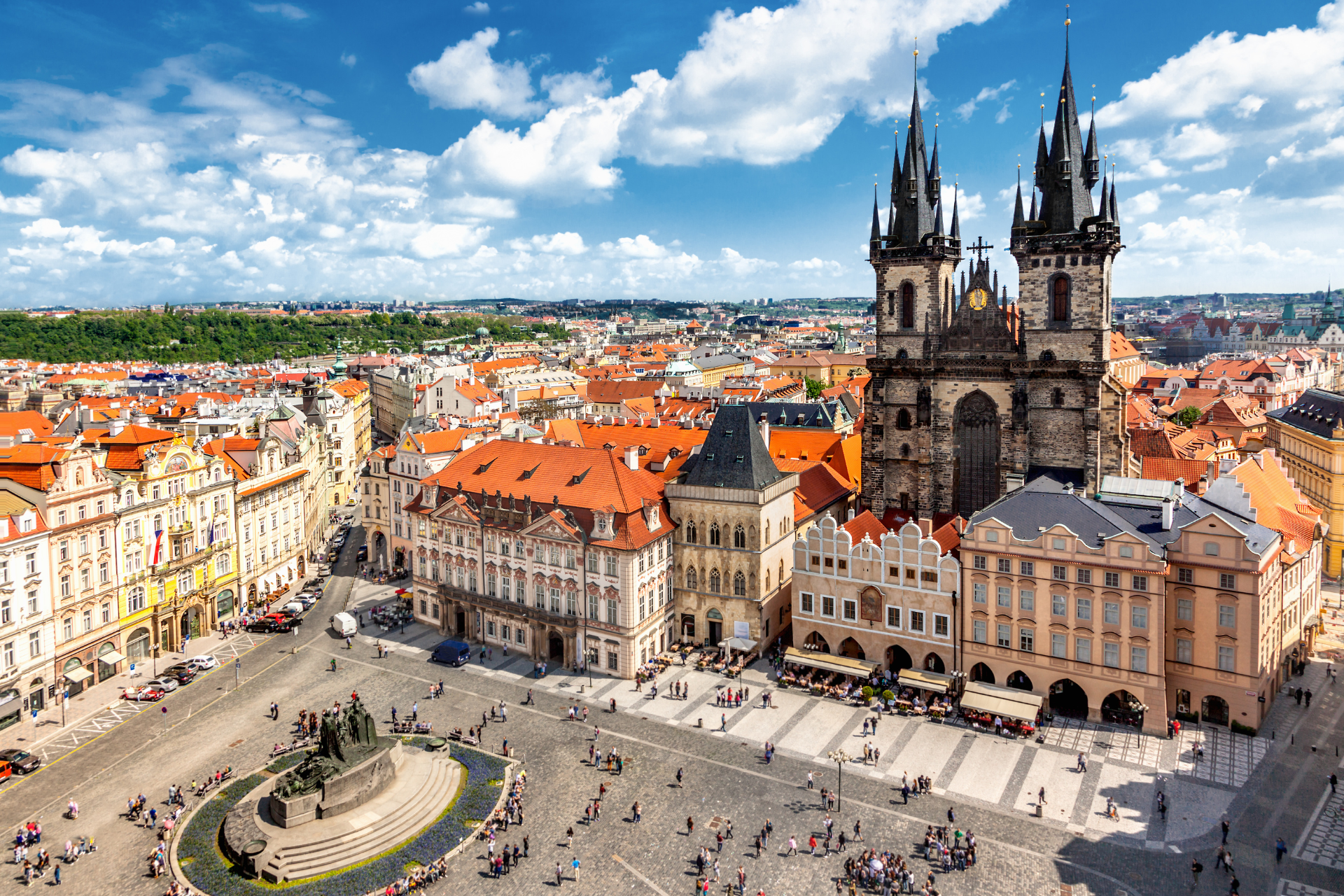
Avoid These Easy-to-Miss Twin-Centre Holiday Traps
European twin-centre holidays are a brilliant way to see more in one trip. Two cities, two moods, one flight out of the UK. Done well, they feel relaxed, balanced and full of those little moments we all remember.
Things start to go wrong when key details get missed. Rushed transfers, awkward hotel locations, or a schedule that looks fine on paper but leaves everyone tired and stressed. We want to walk you through the traps we see most often, especially for spring and early summer getaways, and share simple, UK-focused tips to keep your trip smooth from start to finish.
Choosing Destinations That Do Not Work Well Together
The first mistake often happens before anything is booked: picking two places that simply do not pair well.
A big one is ignoring how you actually get between them. For example:
• Cities with awkward flight times that mean arrivals near midnight
• Limited rail links that need several changes
• Seasonal routes that only run on certain days
You might think you are just “losing a morning”, but by the time you check out, travel, wait, board, and then get to the new hotel, a whole day can disappear. This hits harder for families, older travellers or anyone who does not sleep well after late-night arrivals.
Then there are over-ambitious pairings. We often see plans like “three days in a capital, then an island, then a side trip”. On paper, it sounds exciting. In reality, it can mean:
• Constant packing and unpacking
• Extra internal flights with baggage rules to watch
• More chances for delays to ripple through your whole plan
It helps to ask a few simple questions:
• Do these places match in pace, or will one feel frantic after the other?
• Are the climates similar in late spring or early summer, so you are not packing for every season?
• Does one offer calm after the other, like pairing a busy city with a beach or lake?
Season also matters. May and early summer are lovely times for Europe, but:
• Bank holidays can fill hotels and push up prices
• Local festivals can close streets or attractions
• Strikes can affect trains, metros or ferries
A smart move is to mix one big-name hotspot with a slightly quieter base. You still see the famous sights, but you sleep somewhere calmer and often get more for your money.
Misjudging Travel Times and Transfers Between Cities
Another common trap is trusting the headline flight or rail time. A two-hour flight is never just two hours.
Door-to-door, you need to allow for:
• Travel from hotel to airport or station
• Check-in and security queues
• Boarding and possible delays
• Baggage claim and then the ride to your next hotel
Tight connections can turn a relaxed break into a constant race. Leaving only a short gap between a train and a flight, or between two trains in different stations, is asking for stress.
The timing of your internal travel days matters too. Mid-day moves sound easy, but they slice your day in half. You cannot really sightsee before, and you are too late to do much after.
Better options often include:
• Early morning trains while the city is quiet
• Late afternoon or early evening moves after a full day out
• Shorter hops right after hotel check-out so you arrive in time for dinner
Skipping pre-arranged transfers can also add strain. Working out ticket machines, local taxi rules and routes in a new city with luggage and tired kids is not much fun. Pre-booked private transfers or rail tickets:
• Remove guesswork on the day
• Help you budget in advance
• Make those changeover days feel calmer and safer
Overpacking Your Itinerary and Undervaluing Downtime
European twin-centre holidays tempt us to cram in everything. Two cities, twice the list of “must-sees”. The risk is turning your break into a checklist marathon.
Common signs of an overloaded plan:
• Every hour is scheduled
• No time to sit in a cafe or just stroll
• People start snapping at each other by day three
Travelling with children, parents or anyone new to Europe often needs a slower pace. Simple things take longer: finding meals, working out public transport, getting used to the heat in early summer.
Try to build in:
• Free mornings or afternoons in each city
• Time for naps or a swim if your hotel has a pool
• Long lunches instead of constant snacks on the go
Buffer days are your secret weapon. Keeping the first half-day in each city light gives space for:
• Late or delayed flights
• Heavy rain that soaks outdoor plans
• Long queues at a key sight
Strangely, the trips with a bit of breathing space often feel fuller. You remember the relaxed gelato by the river as much as the big landmark you queued for.
Booking Accommodation That Makes Everything Harder
A hotel that looks like a bargain online can cost you in time and energy later. The classic mistake is choosing solely on price, not location.
Staying far from the centre or main station can mean:
• Long daily commutes on busy buses or metros
• More money on taxis when you are tired
• Less flexibility to pop back for a rest or change of clothes
A central, well-connected area often pays you back with easier days and more options in the evening.
Think about your luggage too. Some lovely historic areas have:
• Cobbled streets that are hard with wheeled bags
• Limited car access, so taxis drop you far from the door
• Small lifts or no lifts at all, tricky for heavy cases or anyone with mobility needs
It is worth checking:
• Lift access and size
• Reception hours, especially if you arrive late
• Simple routes from your hotel to the main station or airport
Neighbourhood character also matters. Overly touristy or party-heavy areas can mean noise until the early hours. Try to strike a balance:
• Close enough to walk to key sights
• On a quieter side street if you are a light sleeper
• With local cafes and shops, not only souvenir stalls
Forgetting Practicalities: Money, Insurance and Documents
Finally, the small practical details can make or break European twin-centre holidays, especially when you cross borders.
Money is an easy one to overlook. Some classic slips:
• Pairing a eurozone city with a non-euro city and forgetting about currency changes
• Not allowing for city taxes, which are often paid at the hotel
• Missing extras like baggage fees on internal flights or seat reservations on certain trains
Solid travel insurance matters even more when your plan includes several moving parts. It is worth checking for:
• Cover for missed connections
• Protection if local transport staff go on strike
• Medical cover across all countries you will visit
Documents also need a quick double-check:
• Passport validity for every country on your route
• Any visas or digital registrations, where required
• Health cards and any local health rules
Keeping tickets, confirmations and key details in one easy-to-reach place, both on your phone and on paper, makes changing cities far smoother.
Avoiding these common mistakes keeps European twin-centre holidays fun, calm and memorable for the right reasons. At Skylord Holidays here in the UK, we help match destinations, pace, routes, and hotels so your twin-centre break feels simple, not stressful, and you can enjoy spring and early summer in Europe with confidence.
Plan Your Perfect European Twin-Centre Escape Today
Ready to start designing a break that balances culture, relaxation and discovery in one seamless trip? Explore our carefully crafted European twin-centre holidays and let Skylord Cruise & Holidays tailor the itinerary to suit how you like to travel. If you are unsure where to begin or would like personal advice, simply contact us and we will help you shape your ideal journey.