
Avoid Timing Trouble on Your Panama Canal Cruise
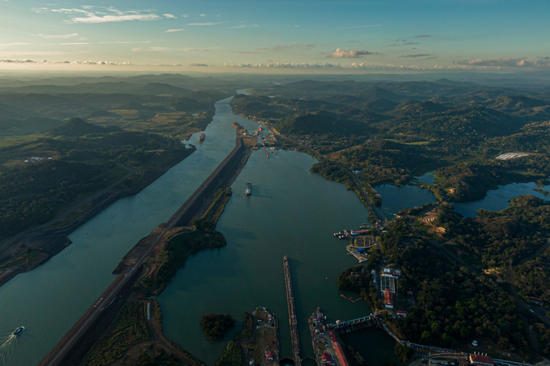
Panama Canal cruises have a certain air of simplicity about them on paper. The route looks straightforward, and the scenery promises to impress. That’s why many people book without giving much thought to how timing might shape their experience. The reality is, several small details around timing can shift how enjoyable and stress-free the crossing feels.
Port arrival windows, time of year, limited viewing conditions and other moving parts all play a bigger role than most expect. These can affect what you see, how long you stay, and how well your itinerary matches what's advertised. For those of us who help travellers book smoother, better-paced trips, it’s easy to spot what first-timers often miss. Here’s a closer look at the most common timing issues that can slip past people planning Panama Canal cruises, and what to keep in mind so your trip avoids those bumps.
Understanding the Canal’s Operations and Wait Times
The Panama Canal isn’t a quick pass-through. Cruise ships are slotted in between larger cargo and container ships using a priority system. So, while your itinerary might show a transit point at a certain time, the actual passage may happen hours earlier or later. It's not quite a surprise if you know this in advance, but it can feel jarring if you only find out once you're onboard.
Lock delays are fairly common. Some are due to traffic or weather, others tied to maintenance or seasonal demand. Ships must wait their turn, and this can disrupt the rest of the day’s activities. A late passage might cut short time at port or force a change in evening plans.
We’ve seen passengers frustrated by missed lunch reservations or excursions that clash with rescheduled canal slots. Most ships do their best to update guests, but it helps to remain flexible. Those who expect a precise schedule risk feeling rushed on board or disappointed when off-ship plans don’t line up.
Seasonal Weather Impacts and Visibility Challenges
October is the tail-end of the rainy season in the canal region. That means heavy cloud cover, short bursts of downpours, and high humidity can linger through much of the month. While this doesn’t ruin the trip, it can reduce visibility during the passage, especially in the early morning or late evening hours when many ships begin their transit.
Many people pick balcony rooms or book outside deck experiences for the big moment, only to find misty skies or bare visibility across the locks and lakes. For travel photographers, or just those hoping for views clear enough to enjoy every detail, the unpredictable sky can be a letdown.
Onboard decisions help a bit. Planning to watch from indoor viewing areas or choosing flexible shore excursions makes a difference. Still, it’s better to expect a mixed experience instead of assuming seamless sunshine. This part of the world is lush for a reason, and October still carries tropical weather patterns that cruise brochures often gloss over.
Misjudging Port Timings on Partial Canal Cruises
Not every Panama Canal cruise includes a full transit. Some only pass through part of the canal, stopping near the locks or turning around before completing the journey. These partial crossings can be just as interesting in structure but might leave first-time travellers feeling short-changed if they were expecting the entire system.
The marketing language can be a little misleading. Without reading itinerary notes closely, you might assume you're sailing coast to coast when you're really just looping back after a few hours. Add to that the fact that some of the surrounding ports on these trips are less dynamic than others, and the travel day might feel underwhelming.
If clear expectations aren’t set early, this difference becomes one of the biggest frustrations. Some travellers only realise they’re not doing a full transit once the ship announces crew plans for turning around. Asking in advance and reviewing routing with care helps avoid this kind of confusion.
Time Zone Gaps and Missed Activities
One detail that slips by easily is the difference in time zones between ports and the canal itself. Your cruise may depart from one country and pass through another, each using slightly shifted times. That’s before factoring in ship time, which may match a home port, a local port, or something else entirely depending on how the itinerary is set.
The issue comes up when onboard times and activity schedules don’t match national time. For example, you might plan to meet a tour operator based on your mobile’s time display, only to find out the ship is running an hour behind. Most cruises announce daily clock changes, but not everyone notices, especially on busy days or longer itineraries.
When time confusion sets in, it can lead to missed transport, delayed entries into attractions, or even late boarding calls. People naturally assume their devices are correct. The trick is to check ship time each morning and match it to any outings that involve offboard-meetups.
Not Allowing Buffer Days Before or After
Another mistake many first-timers make is treating the cruise as though it lives in its own neat box. The reality is, weather delays, shifts in ship time, or even extended layovers can spill into your pre- or post-cruise plans. And when people book tight flights either side of the canal dates, it creates pressure that doesn’t mix well with the flexibility cruising calls for.
Panama and its nearby ports often deal with rainy season delays well into October. Flight changes and transport slowdowns are fairly common. If something like a late disembarkation or a road closure cuts into airport timing, it can leave you scrambling for alternatives.
We’ve seen travellers booking return flights just a few hours after they’re due back, only to find out the actual dock time changed two days earlier. Building in a buffer day at both ends of your trip—either to rest or explore on land, can make the overall experience far more relaxed. It also means that if anything shifts, your plans can absorb the change rather than collapse because of it.
Planning Better for a Timed-Right Canal Experience
A smooth Panama Canal cruise isn’t only about where you go. When you travel and how your days are structured have just as much impact as the route itself. Whether the issue is slow-moving lock traffic, low-visibility skies or the wrong routing altogether, time matters more than most new cruisers realise.
By thinking about each layer, the canal’s operational timing, the weather, route type, time zones, and pre- and post-cruise buffers—you shape a clearer picture of what to expect. That awareness lowers stress and lets you actually enjoy the unique features of the canal instead of scrambling around them. A bit of preparation lays the path for a more satisfying and well-paced adventure.
Planning ahead can make a big difference to how easy-going your cruise feels from the first lock to the final stop. At Skylord Cruise & Holidays, we help travellers understand how timings, weather and zone transitions might affect the route so they can focus more on the views outside than the next check-in point. Small details like when to slow down or what dates to target can really smooth things out. You can see what’s currently available for Panama Canal cruises and get in touch so we can help you plan a calmer crossing.