
Best Times to Catch Northern Lights in Iceland
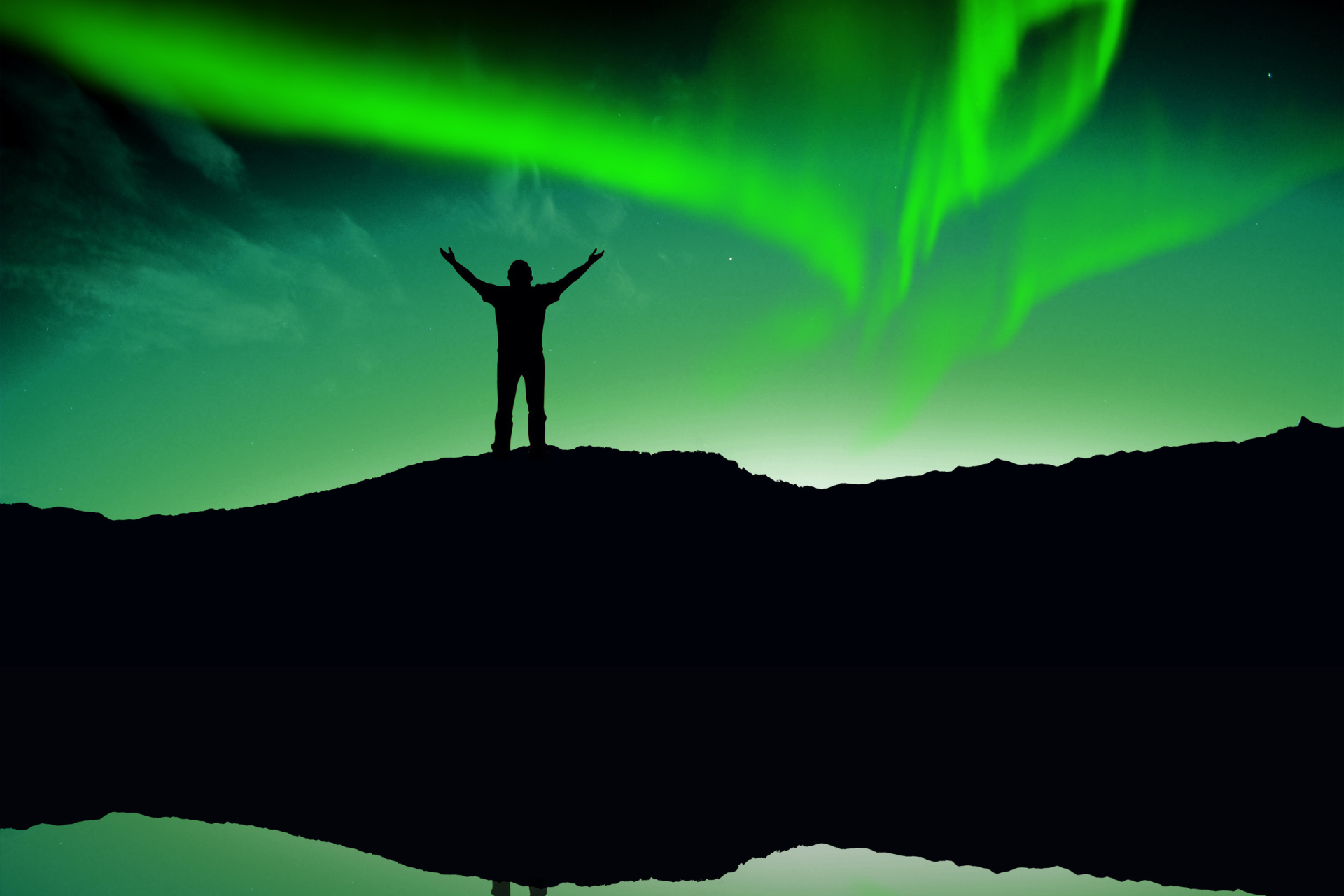
The Northern Lights, also known as the Aurora Borealis, are one of nature’s most stunning displays. Their colourful light shows dance quietly across dark skies and often leave people speechless. Watching them flicker green, pink or violet over the snow-covered landscape is a moment few forget. For those wanting a real treat during the colder months, Iceland is one of the best places to see them.
Iceland’s raw beauty and wide open skies make it an ideal spot for viewing the Northern Lights. Whether you’re soaking in a remote hot spring or driving along the open roads, the backdrop is nothing short of magical. But timing matters. The lights don’t appear on demand, and some months are far better than others. Here’s what you need to know about when to go, where to look and what to expect from a northern lights holiday in Iceland.
Understanding The Northern Lights
The Northern Lights happen when charged particles from the sun enter Earth's atmosphere. When they bump into gases like oxygen or nitrogen, they begin to glow. This beautiful natural show only appears near the magnetic poles, which makes Iceland such a strong contender for seeing them clearly.
Iceland sits just below the Arctic Circle and offers excellent conditions for aurora viewing. Its limited light pollution, wide skies, and remote areas with clear air mean you can often spot the lights with little interference.
A few key factors affect how often and how clearly you see the lights:
- Weather conditions: A clear night is your best friend. Heavy cloud cover can easily block what would otherwise be a brilliant display.
- Time of night: The lights are most active between 9 pm and midnight, though they can arrive earlier or later.
- Light pollution: Distance from city lights improves visibility significantly. Rural settings provide a much clearer canvas for the lights.
An ideal example is a winter visit to the Westfjords. The area’s isolation, lack of artificial light, and frequent clear nights create an incredible environment. Travellers often wrap up warm and sip hot drinks, waiting by a frozen lake or quiet trail, when suddenly the sky turns green and pulses with movement. The moment can be breath taking.
Best Time To Visit Iceland For Northern Lights
If you’re chasing the aurora, timing your visit is half the battle. The best window for a northern lights holiday in Iceland runs from late September to early April. These months offer the right amount of darkness each day, which is crucial for seeing the lights.
Summer, especially June and July, makes viewing almost impossible. During this time, Iceland’s long daylight hours leave little room for a dark enough sky.
November to January offer the longest nights, but they may also bring clouds and snow. You’ll want a bit of wiggle room in your schedule in case weather conditions aren’t ideal. On the other hand, February and March are often considered perfect, with a good mix of aurora activity and more stable weather.
To improve your chance of successful sightings, keep these points in mind:
- Try to avoid full moon nights. A bright sky can overshadow the Northern Lights.
- Stay for at least 4 to 5 nights. Longer stays give you more opportunities in case of cloudy evenings.
- Use aurora and weather forecasts to decide where and when to head out each night.
- Don’t get discouraged by early cloud cover; weather changes fast in Iceland and skies often open up later.
Timing doesn’t guarantee the aurora will appear, but it puts you in the best position to catch them.
Top Locations In Iceland For Northern Lights
Picking where to stay or visit can make all the difference. Some locations offer better chances at seeing the lights due to clearer skies, less light pollution, or their easy access to remote areas.
- Reykjavik: As Iceland’s capital, this is the starting point for many trips. While the city itself has light pollution, you can take evening tours out to places like Grótta Lighthouse for darker skies just a short drive away.
- Snaefellsnes Peninsula: Often called ‘Iceland in miniature’ thanks to its variety of landscapes, this area gives you beaches, lava fields, and mountains. It’s far removed from major towns so it stays naturally dark, which is perfect for spotting the aurora.
- Jokulsarlon Glacier Lagoon: Viewing the Northern Lights reflected on a lagoon full of icebergs makes for one of the most memorable scenes in Iceland. Though it takes a bit of effort to get there, it offers little light pollution and epic views.
- Thingvellir National Park: Not far from Reykjavik and part of the famed Golden Circle route, this area combines natural beauty with deep history. You can literally stand between tectonic plates and look up as colours light the sky.
Each of these places has its own appeal. Just make sure to plan around the moon cycle, check forecasts, and stay flexible with your travel times.
Tips And Tricks For A Successful Northern Lights Holiday
A little preparation goes a long way. Iceland’s winter weather can be unpredictable, and spending time waiting outdoors requires proper gear and mindset.
Here’s how to give yourself the best chance at a smooth experience:
- Dress in layers
Start with a thermal base. Add a fleece or wool jumper, and a waterproof outer shell. Sturdy boots, thick socks, warm hats, and gloves are a must. Windchill can drop fast in Iceland.
- Consider guided tours
Local guides know all the best spots and how to dodge poor weather. They often keep in touch with each other throughout the night, moving tour groups to locations where skies might clear.
- Bring the right camera gear
To capture the aurora, you’ll need a camera with manual settings and a tripod. Phones usually struggle unless they have specific night mode features. Carry extra batteries as cold weather drains power quickly.
- Leave space in your schedule
Avoid planning every night with rigid activities. Give yourself flexible evenings to follow the aurora forecast and chase the lights when conditions are right.
- Stay comfortable
Nights can get long while you wait, so bring flasks with tea or hot chocolate and maybe a blanket or two. Some people even bring camping chairs to sit back and enjoy the show.
Having the right kit and setting realistic expectations makes all the difference. Some nights you’ll see faint streaks, on others the sky might dance with movement and colour. Both are worth the effort.
Your Iceland Trip Could Be One To Remember
A northern lights holiday in Iceland combines nature, adventure, and those rare moments of true wonder. When the conditions are right and you’re wrapped up warm in a peaceful spot, watching the sky turn green or pink or purple can feel almost otherworldly.
Keep your plans flexible, your eyes on the forecasts, and your camera at the ready. Whether you’re standing next to a glacier lagoon, roaming through a snow-covered village or just a few minutes from Reykjavik, the magic of the aurora could appear when you least expect it.
Skylord Cruise & Holidays takes the stress out of all the planning so you can focus on the experience itself. Whether you’re looking for a romantic getaway, a family break, or something out of the ordinary, their expert team helps design northern lights holidays in Iceland that are made to fit your travel style. Ready to make unforgettable memories under the dazzling auroras? Discover a northern lights holiday in Iceland with Skylord Cruise & Holidays. From the vibrant streets of Reykjavik to the stunning
Jokulsarlon Glacier Lagoon, we’ll help you craft a journey that captures the beauty and wonder of Iceland at its most magical.