
Embark on a Gorilla Trekking Africa Adventure
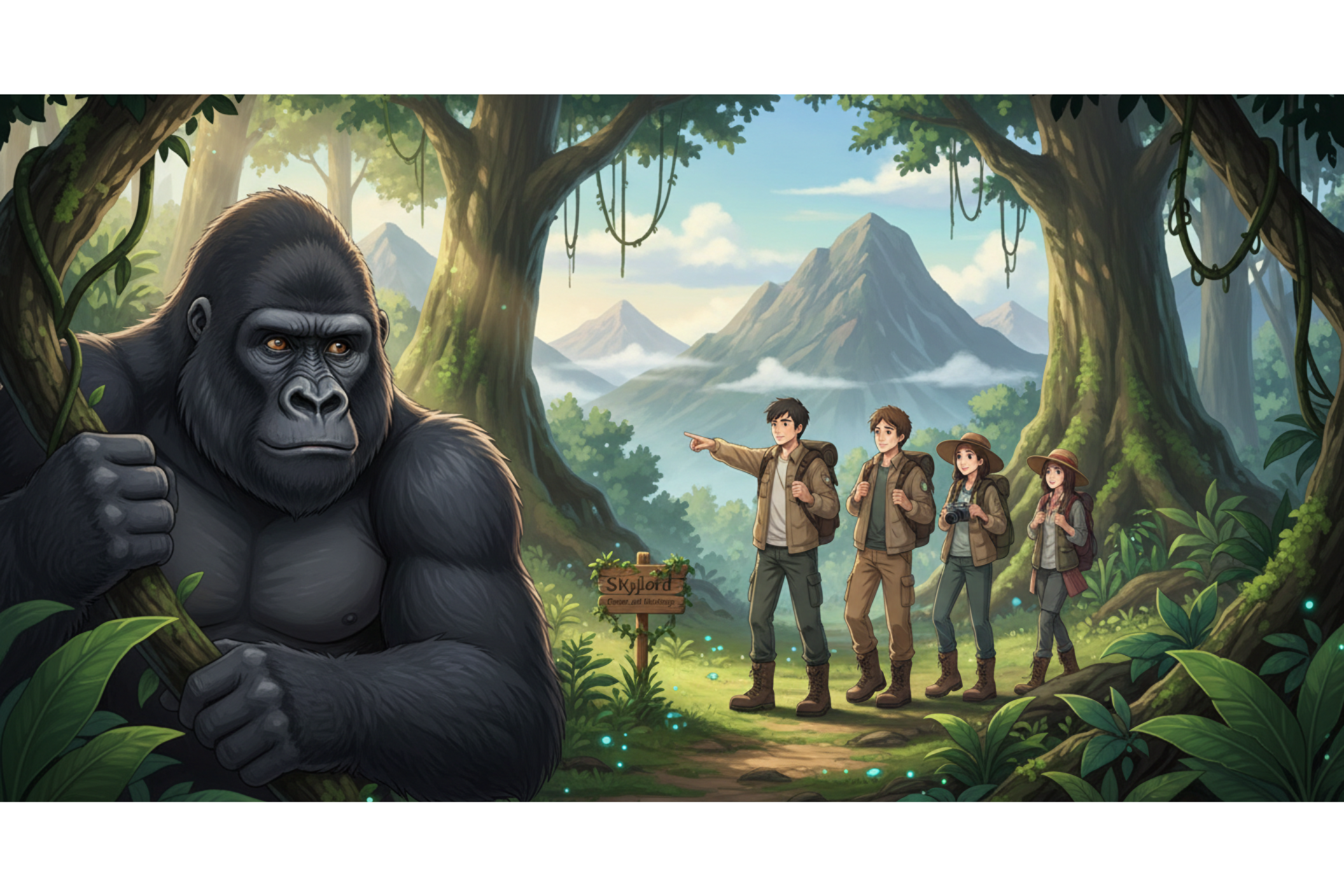
Embark on a Gorilla Trekking Africa Adventure
Imagine stepping into the heart of Africa to see amazing creatures in their home. You're about to start an unforgettable journey, tracking mountain gorillas in Uganda, Rwanda, and Congo's green forests.

These countries give you a special chance to see Gorilla Trekking Africa up close. You'll go on guided tours to meet these incredible animals. Before your trip, you'll want to know the best places, how to plan, and what to expect on your Gorilla Tracking Safari.
Seeing these amazing animals up close will make you appreciate their home and the work to save it. Your adventure is waiting, and it's time to start planning.
What is Gorilla Trekking?
Gorilla trekking is an exciting adventure. It lets you see mountain gorillas up close in their natural home. You hike through dense forests with expert guides to watch these amazing animals.
Definition and Overview
Gorilla trekking means hiking in central Africa's forests to see mountain gorillas. The cost varies, with Gorilla Trekking Costs from a few hundred to thousands of dollars. It's a thrilling journey that also helps protect these endangered animals.
Historical Context
The first gorilla trekking permits were issued in the 1980s in Rwanda's Volcanoes National Park. Since then, it has become a big tourist draw. Countries like Uganda, Rwanda, and the Democratic Republic of the Congo now offer Mountain Gorilla Tour experiences. It's a way to support conservation and local economies.
Conservation Significance
Gorilla trekking is key to saving mountain gorillas. The money from trekking helps protect their homes and supports conservation. By going on a gorilla trek you help keep these incredible animals and their habitats safe.
| Country | Cost per Person | Conservation Benefits |
|---|---|---|
| Uganda | $600-$800 | Supports Bwindi Impenetrable National Park conservation |
| Rwanda | $1,500 | Funds Volcanoes National Park conservation efforts |
| Democratic Republic of the Congo | $400-$600 | Contributes to Virunga National Park protection |
Best Locations for Gorilla Trekking Africa
Africa is a top spot for gorilla trekking. It has many amazing places to see these animals. The different landscapes and ecosystems are perfect for mountain gorillas.
Uganda - The Pearl of Africa
Uganda is famous for its gorilla trekking. You can find them in Bwindi Impenetrable National Park and Mgahinga Gorilla National Park. These forests are full of mountain gorillas, giving visitors a rare chance to see them.
Rwanda - The Land of a Thousand Hills
Rwanda's Volcanoes National Park is a top choice for gorilla trekking. It's in the Virunga Mountains, a unique place for gorillas. Rwanda's work to protect gorillas has made it a great place to trek.
Democratic Republic of the Congo
The Democratic Republic of the Congo has gorilla trekking in Virunga National Park. This park is a UNESCO World Heritage site. It's known for its biodiversity and mountain gorillas. Trekking here is more adventurous than in Uganda and Rwanda.
| Country | National Park | Key Features |
|---|---|---|
| Uganda | Bwindi Impenetrable National Park, Mgahinga Gorilla National Park | Lush forests, diverse wildlife, mountain gorillas |
| Rwanda | Volcanoes National Park | Part of the Virunga Mountains, significant gorilla population |
| Democratic Republic of the Congo | Virunga National Park | UNESCO World Heritage site, rich biodiversity, rugged terrain |
Each country offers a special gorilla trekking experience. They have different landscapes and ways of protecting gorillas. Think about what you want most from your trip, like the scenery or the gorillas.
Planning Your Gorilla Trekking Adventure
Planning a gorilla trekking adventure is a big step. It's important to think about a few key things to make your trip smooth and fun. Let's look at what you need to consider.
Choosing the Right Season
The time you choose for your gorilla trek can really affect your experience. The dry seasons, from June to September or December to February, are the best times to go. During these months, the trails are easier to walk on because it's drier.
Essential Gear to Pack for Gorilla Trekking Africa
Having the right gear is crucial for a great gorilla trek. You'll need strong hiking boots, comfy clothes, a waterproof jacket, and a backpack. Make sure to pack water, snacks, and a first-aid kit. Also, bring a camera with a good zoom lens to capture amazing moments.
Required Permits and Costs
Getting the right permits is a big part of planning your gorilla trek. The cost of permits varies by country and park. Here's a quick look at what you might expect to pay:
| Country | Permit Cost (per person) | Additional Costs |
|---|---|---|
| Uganda | $600-$700 | Accommodation, guide tips |
| Rwanda | $1,500 | Accommodation, transportation |
| Democratic Republic of the Congo | $400-$600 | Accommodation, security arrangements |
It's essential to check the latest permit prices and any extra needs before you book. These costs help protect the gorillas and support local communities, making your trip special and meaningful.
What to Expect on a Gorilla Trek
Getting ready for a gorilla trek? Knowing what to expect can make it even better. It's a special journey that mixes physical effort with the excitement of seeing these amazing animals in the wild.

Trekking Duration and Difficulty
The length and challenge of a gorilla trek vary. Treks can last from 2 to 6 hours or more, based on where the gorillas are. The paths can be tough, with steep hills, thick plants, and sometimes muddy ground. Make sure you're dressed right and have the right shoes.
Check if you're fit enough for the trek. You don't have to be a pro hiker. But being healthy and having some hiking experience helps a lot.
Wildlife Encounters Beyond Gorillas
But gorillas aren't the only wildlife you'll see. You might spot birds, monkeys, or other animals. The forests of Uganda, Rwanda, and the Democratic Republic of the Congo are full of life, making each trek special.
Stay alert to enjoy more. The forest's sounds, sights, and smells add to the experience, making it richer than just seeing gorillas.
Local Guides and Support
Local guides are a big part of the trek. They know a lot about gorillas and their homes. They also help you stay safe and learn about the ecosystem.
The guides are trained to protect the gorillas and their home. They follow strict rules to make sure everyone has a safe and respectful visit.
Health and Safety Tips for Trekking
When you go on a gorilla trekking adventure, keeping yourself safe is key. This makes sure you have a good time and stay safe.
Vaccinations and Medications
Before you trek, talk to your doctor or a travel clinic. They'll tell you what vaccinations and medications you need. Yellow fever vaccination is often needed for some African areas.
You might also need malaria prophylaxis depending on where you're going. Make sure you have all your meds and know how to use them.
Safety Precautions with Wildlife
It's important to keep a safe distance from the gorillas. Stay at least 7 meters (21 feet) away. Your guides are trained to keep you safe and the gorillas well.
Always follow your guides' rules. This means not touching the gorillas or making sudden moves.
Staying Hydrated and Energized
Gorilla trekking is hard work, so drink plenty of water and eat snacks. This keeps your energy up during the trek.
| Essential Items | Purpose |
|---|---|
| Water Bottle | Staying hydrated |
| Snacks (e.g., energy bars, nuts) | Maintaining energy levels |
| First Aid Kit | Handling minor injuries |
By being ready and following these tips, you can have a fun and safe gorilla trekking adventure.
Responsible Gorilla Tourism
Responsible gorilla tourism is more than just a phrase. It's crucial for the future of gorilla trekking. When you visit Africa to see these amazing animals, your actions matter a lot. They can affect their home and the people living nearby.
Ethical Trekking Practices
Ethical trekking is key to responsible gorilla tourism. It means keeping a safe distance from gorillas to avoid stressing them or spreading diseases. It also means not littering and respecting their natural ways. Following these rules helps protect gorillas and their homes.
Also, picking a good tour operator is very important. They should be known for being ethical and supporting conservation. They should also treat their guides and porters well.
Supporting Local Communities
Helping local communities is a big part of responsible gorilla tourism. Many tours now include visits to local places, letting you learn about their culture and help their economy. This makes your trip better and helps the local people.
By helping local communities, you're also helping protect the area. When locals get benefits from tourism, they are more likely to care for their environment.
Conservation Fund Contributions
A lot of money from gorilla trekking goes to help protect these animals. This money helps keep their homes safe, fights against poaching, and supports research. By joining Gorilla Habituation Experience or other conservation activities, you help these funds grow.
Your help is not just about money. It's also about spreading the word about why we need to protect these animals and their homes.
Gorilla Trekking Gear Essentials
To have a safe and fun gorilla trek, you need the right gear. The right clothes and tools can greatly improve your experience. They help you observe these amazing creatures better.
Clothing Recommendations
Dressing in layers is key. The weather in gorilla trekking areas can change a lot. Choose breathable, moisture-wicking fabrics to stay dry and comfy. A waterproof jacket is a must to keep dry in sudden rain.
Sturdy, waterproof hiking boots with good grip are vital. They help you move safely on the muddy, steep paths.
Camera and Binocular Suggestions
Many trekkers want to capture the gorilla moments. A good camera with a telephoto lens is best. Look for one with image stabilization to avoid blurry photos.
Binoculars are great for watching gorillas from afar and spotting birds. Choose waterproof ones with strong magnification.
Health and Safety Equipment
Your health and safety are top priorities. Carry a basic first-aid kit with band-aids, antiseptic wipes, pain relievers, and any personal meds. Bring water purification tablets or a portable filter for safe drinking water.
Also, think about bringing a walking stick or trekking poles. They help with balance on tough terrain.
Eco-Friendly Practices During Your Trek
Your gorilla trekking adventure can be a force for good when you adopt environmentally conscious practices. As you venture into Africa's lush forests, it's crucial to be mindful of your ecological footprint. This helps preserve the natural habitat of the gorillas.

Minimising Environmental Impact
One key aspect of eco-friendly gorilla trekking is minimising your impact on the environment. Stay on designated trails to avoid damaging vegetation. Also, respect the gorillas' habitat by keeping a safe distance. Responsible trekking practices protect the gorillas and their environment for future generations.
Also, trekking groups are limited in size. This prevents overwhelming the gorillas and their habitat. It also supports conservation efforts and provides a more intimate encounter with nature.
Choosing Sustainable Accommodations
When planning your gorilla trek, choosing sustainable accommodations is crucial. Opt for lodges and hotels that use renewable energy, reduce water waste, and support local communities.
Many eco-lodges in Uganda, Rwanda, and the Democratic Republic of the Congo offer comfortable stays. They ensure their operations have a minimal impact on the environment. By choosing these sustainable accommodations, you contribute to the conservation of natural resources.
Reducing Waste While Trekking
Reducing waste is another critical component of eco-friendly gorilla trekking. Bring reusable water bottles, bags, and other essentials to minimise disposable waste. Many tour operators now offer eco-friendly trekking packages that include sustainable practices and waste reduction strategies.
By adopting these practices, you contribute to the preservation of the gorillas' habitat. You also enhance your trekking experience. Remember, every small action counts, and together, we can make a significant difference in conservation efforts.
Cultural Experiences to Enhance Your Trip
There's more to gorilla trekking than just the adventure. You can dive into a world of cultural experiences. Exploring local communities in Africa adds depth to your journey, giving you a closer look at the region's rich heritage.
Interacting with Local Communities
Meeting local communities is a chance to see their daily lives and traditions. You can visit villages, join in community activities, and even stay with families. This connection not only enriches your understanding of the culture but also helps the community's economy.
Discovering Traditional Crafts and Cuisine
African cultures are known for their vibrant crafts and unique food. You can find local markets with handmade items like textiles, woodcarvings, and pottery. Cooking classes let you taste traditional African dishes, adding a delicious layer to your adventure.
| Craft | Description | Significance |
|---|---|---|
| Textiles | Colourful fabrics woven with traditional patterns | Represent cultural heritage and are used in ceremonies |
| Woodcarvings | Intricately carved wooden figures and masks | Used in storytelling and ritual practices |
| Pottery | Handmade clay pots and utensils | Essential for daily life and symbolic in cultural rituals |
Participating in Cultural Events
Joining in cultural events is a highlight of gorilla trekking. Festivals, dance shows, and ceremonies show the community's spirit. By participating, you make lasting memories and help keep these traditions alive.
Tips for Meaningful Cultural Engagement: Always be respectful, dress modestly, and be open to new things. Knowing a few words in the local language can also make your interactions better.
Post-Trek Reflections and Experiences
After your gorilla trek, the real journey starts. You reflect on your experience and share it with others. The memories and encounters will stay with you, changing your view on conservation and wildlife.
Sharing Your Trekking Story
Sharing your gorilla trek story can raise awareness about conservation. You can share it on social media, travel blogs, or at local events. This inspires others to support conservation and maybe join future treks.
Tips for sharing your story effectively:
- Use vivid descriptions to bring your experience to life.
- Include photos and videos to visually capture the essence of your trek.
- Highlight the significance of the conservation work being done in the area.
Conservation Awareness After the Trek
After your trek, keep supporting conservation awareness. Stay updated on conservation news, join fundraising events, or advocate for wildlife policies.
Ways to stay involved:
| Activity | Description | Impact |
|---|---|---|
| Subscribe to Conservation Newsletters | Stay informed about the latest developments in gorilla conservation. | Helps you stay updated and share knowledge with others. |
| Participate in Fundraising Events | Join local or online events that raise funds for conservation projects. | Directly contributes to conservation efforts. |
| Advocate for Wildlife Policies | Support policies and legislation that protect gorilla habitats. | Influences broader conservation strategies. |
Maintaining Connection with Conservation Initiatives
Keeping in touch with conservation initiatives after your trek is important. It supports gorilla protection and deepens your understanding of wildlife conservation.
By staying engaged with conservation, you join a community dedicated to wildlife preservation. Your stories can inspire others to get involved, creating a lasting impact.
Other Activities in the Region
Exploring areas where gorillas live, you'll find many activities. These show Africa's natural beauty and cultural richness. There's more to do than just gorilla trekking.
Hiking and Nature Walks
The places around gorilla trekking spots are full of green forests and beautiful views. They're perfect for hiking and nature walks. You can go on guided walks through the forests.
These walks let you see the area's natural beauty. You might also see other animals like forest elephants or monkeys. Guides will teach you about the local ecosystem and conservation.
Birdwatching Opportunities
The forests and wetlands around gorilla trekking areas are great for birdwatching. You can see many different bird species. From colorful tropical birds to birds of prey, it's a bird lover's dream.
Guided birdwatching tours can help you learn about the birds. You'll find out about their homes and how they live. It's a great way to see the region from a different angle.
Cultural Tour Options
Going on cultural tours is a great way to connect with local communities. You can visit traditional villages and learn about local customs. It's a chance to support local economies and understand the region's culture.
Cultural tours might include visits to local craftsmen or traditional healers. You'll get a glimpse into the daily lives and traditions of the people living there.
How to Choose the Best Tour Operator
Finding the right tour operator is key for a great gorilla trekking trip. You must look into several factors to make your adventure unforgettable and responsible.
Researching Reputable Companies
Begin by researching tour companies focused on gorilla trekking. Seek out those with a good reputation, positive feedback, and a focus on conservation and community support. The African Wildlife Foundation and Conservation Through Public Health are great examples of responsible tourism leaders.
Evaluating Itineraries and Services
Know what your tour operator offers. Make sure their packages include guided treks, places to stay, and other activities you like. Some may also offer cultural events or visits to local communities.
Booking Wisely
Think about the time of year, permit availability, and where you'll stay when booking. Booking Tips include planning early, being flexible with your dates, and knowing the cancellation rules. Choosing a reputable operator and booking smartly means a worry-free and rewarding gorilla trekking adventure.
Skylord Cruise & Holidays only work with local companies who show a responsible attitude to tourism and the ongoing care and protection of animals. Please contact us for more information and to enquire about a trip. Our Legends of Africa package takes in the Masai Mara and Rwanda where you partake in Gorilla and Chimpanzee trekking tours.
FAQ
What is gorilla trekking, and where can I experience it?
How do I obtain a gorilla trekking permit?
What is the best time to go gorilla trekking?
What should I pack for a gorilla trekking adventure?
How long does a gorilla trek typically last?
What are the health and safety precautions I should take during gorilla trekking?
How can I support conservation efforts during my gorilla trekking adventure?
What are the benefits of a gorilla habituation experience?
How can I minimise my environmental impact during a gorilla trek?
What cultural experiences can I have during a gorilla trekking adventure?
How do I choose the best tour operator for my gorilla trekking adventure?