
Explore Holidays to the Golden Triangle India in Style with Premium Escorted Holiday Packages
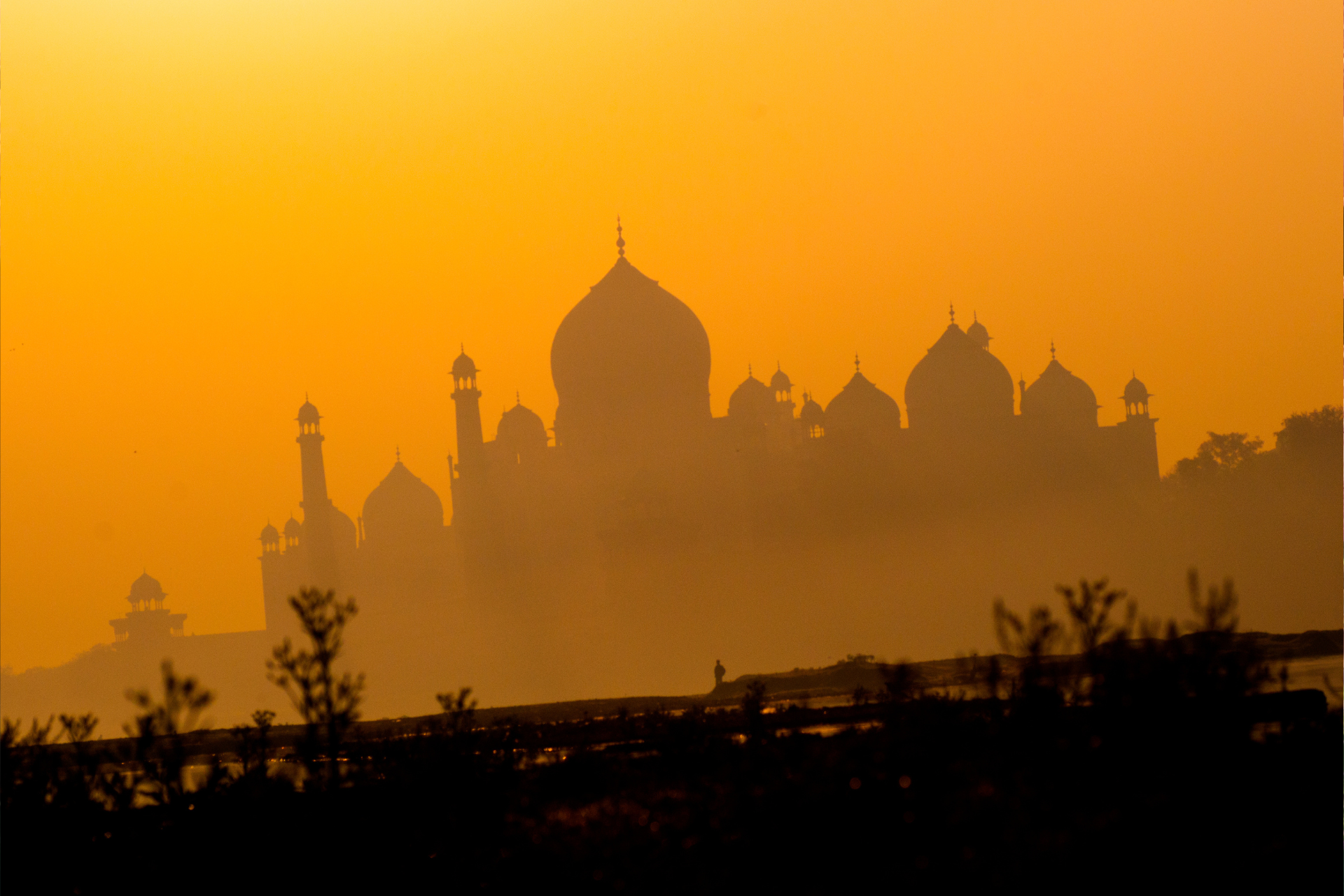
Explore Holidays to the Golden Triangle India in Style with Premium Escorted Holiday Packages
Looking for a luxury tour that balances discovery with comfort? This concise buyer’s guide helps UK travellers compare deluxe options for a classic route, Delhi, Agra and Jaipur, while highlighting upgrade paths such as heritage hotels, private guides and wildlife add-ons.

The article defines premium in practical terms: quality hotels, smooth transfers, expert guiding, included sightseeing and transparent costs. Readers will learn how to choose a tour style, the ideal trip length, what a holiday package usually includes, and the checks to make before booking and flights are finalised.
This guide adopts a future-ready mindset, prioritising flexible pacing, early starts for busy sights and clear inclusions, so decision-making is faster and booking confidence rises.
Key Takeaways
- Core route: Delhi, Agra, Jaipur with upgrade choices.
- Premium means: top hotels, private guides, included sightseeing.
- Compare tour lengths and included services before booking.
- Check transfer logistics and flight options for smooth travel.
- Plan with flexible pacing and clear cancellation policies.
Why the Golden Triangle is India’s must-do route for UK travellers
For UK travellers, a circuit of New Delhi, Agra and Jaipur packs major monuments and comfort into a single trip. It gives a clear structure for first-timers while leaving room for upgrades and private services.
What the route means
This loop links New Delhi, Agra and Jaipur, three high-impact cities that form an efficient, manageable itinerary. Each stop offers UNESCO-level sights, contrasting architecture and easy internal travel.
Who this journey suits
First-timers: a guided, well-paced entry point that reduces planning time.
Culture lovers: layered history from Mughal tombs to Rajput forts delivers depth in a short span.
Luxury seekers: five-star hotels, private guides and concierge services make the experience seamless.
| Traveller type | Primary benefit | Typical add-on |
|---|---|---|
| First-timers | Clear itinerary and smooth transfers | Escorted guide |
| Culture lovers | Concentrated heritage highlights | Specialist history tours |
| Luxury seekers | Top hotels and private transport | Butler or concierge services |
Holidays to the Golden Triangle India: choosing the right package for your travel style
Select a package that matches how you like to travel, paced, private or packed with sights. This choice shapes daily flow, included services and the overall experience.
Escorted tours vs private tailor-made journeys
Escorted tour: simplicity and fixed inclusions. Example format, 10 days; 10 excursions; one free day; active pace; tour manager; audio headsets; porterage; shared chauffeur service.
Private: control, privacy and bespoke timing. Ideal for families or special-interest travel.
Active pace vs relaxed pacing
Active travellers start early, see more sights and accept fewer lie-ins. Relaxed options add free time, optional tours and longer hotel stays for recovery.
Adding wildlife or staying with atmosphere
Choose monuments-only if photography and history matter. Add Ranthambore national park for two game drives and a tiger talk when wildlife sightings matter.
Hotel choice affects mood — heritage hotels offer atmosphere and cultural nights; modern five-star hotels deliver facilities and contemporary comfort.
| Choice | Best for | Key feature |
|---|---|---|
| Escorted tour | First-time visitors | All-included schedule |
| Private itinerary | Privacy & flexibility | Custom pacing |
| Add Ranthambore | Wildlife seekers | 2 safaris + tiger talk |
| Heritage hotel | Culture seekers | Historic ambience |
What’s typically included in premium Golden Triangle packages from the UK
Premium packages bundle core travel logistics with on‑ground expertise for a worry‑free UK departure.
Return flights and transfers
Most deluxe options include return flights from London Heathrow, often with Virgin Atlantic or British Airways, plus overseas transfers on arrival and departure.
On-tour leadership and local experts
A single Tour Manager or Holiday Director oversees the schedule for consistency. Specialist local guides join key visits to add depth and context.
Meals and dining pattern
Meal plans vary by itinerary. Expect daily breakfast, occasional lunch and evening meals included to cut decision fatigue.
Added-value inclusions
Standard extras: pre-booked entry tickets, porterage at hotels and portable audio headsets on excursions for clear commentary.
Convenience extras
A nationwide return chauffeur service from home to the UK airport is a common uplift. It removes early-morning stress and improves the overall travel experience.
| Core inclusion | Typical detail | Why it matters |
|---|---|---|
| Flights | Return London Heathrow (BA/Virgin) | Simplifies logistics and often saves cost |
| Guiding | Tour Manager + specialist local guides | Consistency plus expert insight |
| Meals | 8 breakfasts / 2–3 lunches / 8 dinners (example) | Reduces daily planning and costs |
| Extras | Entry tickets, porterage, headsets | Better on-site flow and value |
| Chauffeur | Nationwide shared return service from home | Stress-free airport transfer |
Practical note: always confirm what is included versus optional to avoid surprise spend during the trip.
How many days do you need for Delhi, Agra and Jaipur?
Deciding trip length is the single best way to shape comfort, pace and what sights you actually see. A clear duration protects relaxation and keeps the trip premium rather than frantic.
Classic 10 days: the best all-round choice for a first visit
Recommend 10 days as the balanced option for first-time visitors. Ten days allow key sightseeing, sensible travel time and at least one free day for recovery.
Shorter trips: what you’ll miss when time is tight
Shorter stays compress guided visits and reduce flexibility for sunrise or sunset slots. Expect a more checklist-style trip with less chance to enjoy local food and markets.
Longer trips: where to add nights for a better experience
Extra nights add depth, more time in Delhi for museums, in Jaipur for crafts, and in Agra for slower monument pacing.
| Duration | Best for | Benefit |
|---|---|---|
| 8–9 days | Quick highlights | Faster pace |
| 10 days | First-time visitors | Balanced itinerary |
| 11–14 days | Leisure seekers | Deeper experience + markets |
Decision tip: If adding Ranthambore wildlife, protect at least two nights for a meaningful safari experience.
Sample future-ready itinerary overview: mornings, afternoons and evenings
A well-structured itinerary organises each day into a clear morning, a calm afternoon and a simple evening. This rhythm optimises light, temperature and crowd levels while keeping a luxury tour relaxed and efficient.
Delhi
Morning: start in old delhi for markets and narrow lanes when light is best and crowds are manageable.
Afternoon: move to new delhi for grand avenues, museum stops and a quieter sightseeing tempo.
Agra
Morning: visit taj mahal at sunrise for soft light and fewer visitors.
Afternoon: explore agra fort later in the day when heat and crowds ease for better photography.
Jaipur
Morning: arrive at amber fort early to beat heat and queues.
Afternoon: enjoy pink city highlights after lunch at a measured pace, with craft stops or a relaxed lunch.
Ranthambore
Morning & afternoon: two game drives across dawn and late day increase chances of sightings in the national park.
Evening: an included tiger talk adds context, conservation notes and responsible viewing guidance.
"Early starts and split days are the difference between a rushed checklist and a premium travel experience."
| Day part | Purpose | Example focus |
|---|---|---|
| Morning | High-impact sightseeing | Old Delhi markets / Taj Mahal sunrise / Amber Fort |
| Afternoon | Curated, calmer visits | New Delhi boulevards / Agra Fort / Pink City craft stops |
| Evening | Rest and cultural options | Included dinner or brief cultural performance |
Practical note: this template balances activity and recovery—mornings are busy, afternoons curated, and evenings kept flexible for easy dining or optional experiences.
New Delhi highlights: imperial avenues and iconic landmarks
A premium city tour in new delhi focuses on a few high-impact stops, comfortable transport and time for interpretation rather than a rapid drive-by. This approach suits travellers who value depth, photography windows and a calm rhythm between visits.
India Gate and the grand colonial-era boulevards
India Gate anchors the imperial axis, wide promenades, ceremonial lawns and the visual language of a planned capital. A guided visit places the memorial in context with later colonial design and modern civic use.
Humayun’s Tomb: a Persian-inspired Mughal masterpiece
Humayun’s Tomb displays Persian gardens, red sandstone and white marble in balanced form. It is an essential stop for understanding how Mughal tastes evolved and laid visual groundwork that influenced later shah jahan-era monuments.
Qutab Minar complex: a UNESCO-listed victory tower
The qutab minar rises 73 metres with ornate sandstone carving and a layered historical narrative. Visitors gain scale and craftsmanship insights here, an important world heritage sight for first-time visitors seeking both breadth and detail.
- Premium programme outline: private transport, timed entry, specialist guide and photography stops.
- Why these highlights matter: they map dynasty shifts, materials and design choices that shaped the city’s visual identity.
- Buyer focus: including these stops in a deluxe itinerary justifies the added cost by delivering meaningful context and fewer crowds.
"Concentrated visits with expert commentary turn landmarks into lasting memories."
Old Delhi experiences: bazaars, faith sites and street life
Old Delhi rewards a morning visit with layered sounds, scents and guided context that ease first-time visitors into city life. Guided time makes the lanes readable and comfortable for deluxe travellers.
Jama Masjid and the walled city atmosphere
Jama Masjid acts as a clear anchor, its courtyard frames the wider walled city and creates a calm focal point amid busy streets. A specialist guide explains ritual, architecture and respectful conduct.
Cycle rickshaw through Chandni Chowk markets
A short cycle rickshaw ride offers premium access: narrow lanes, market stalls and vivid street scenes reached efficiently. This is an immersive, practical way for first-timers to feel the pulse of the city without getting lost.
Sikh temple visit for a deeper cultural view
Including a Sikh temple adds an insight-led stop beyond monuments. Visitors observe community kitchens and learn about faith practices—an experience that deepens cultural understanding.
Practical notes: modest dress, early starts to avoid peak crowds, and following your guide’s route keep the visit smooth. High-quality escorted options include structured Old Delhi time so guests do not have to self-navigate.
| Stop | What it adds | Premium value |
|---|---|---|
| Jama Masjid | Architectural anchor & context | Timed access and expert commentary |
| Chandni Chowk rickshaw | Immersive market access | Efficient route and safety managed |
| Sikh temple | Cultural insight and community | Guided interpretation and respectful entry |
Agra in depth: Taj Mahal moments and Mughal power
A dawn visit frames Agra as a study in contrast, white marble finesse against red sandstone power.

Visit Taj Mahal at sunrise for the best light and fewer crowds
Visit Taj Mahal at sunrise for softer light, cooler temperatures and better photos. Many premium programmes schedule a dawn entry to avoid later queues and to capture reflection shots.
Emperor Shah Jahan and the love story behind the monument
Emperor Shah Jahan commissioned the mausoleum for Mumtaz Mahal. The narrative adds human scale—policy, patronage and grief, not just a romantic legend.
Agra Fort: red sandstone palaces and walled-city grandeur
Agra Fort stands as a power centre, vast ramparts, private courts and defensive design. The contrast with the Taj's marble precision underlines Mughal aesthetic range.
Itmad-ud-Daulah ‘Baby Taj’ and marble latticework
Itmad-ud-Daulah rewards close inspection, delicate jali screens and inlay work that prefigure later designs. It suits an unhurried morning stop.
Mehtab Bagh: riverbank views back to the Taj Mahal
Mehtab Bagh provides a calm viewpoint across the Yamuna. It complements a main visit and offers another angle for sunrise composition.
"Confirm dawn permits and early transfers to protect your planned sunrise visit."
| Stop | Best time | Premium value |
|---|---|---|
| Taj Mahal | Sunrise | Photography, fewer crowds |
| Agra Fort | Morning/afternoon | Historic context, guided access |
| Itmad-ud-Daulah | Morning | Craftsmanship details, quieter visit |
| Mehtab Bagh | Sunrise/viewing | River views, complementary photo angles |
Between Agra and Jaipur: heritage stops worth paying for
A well-timed transfer between Agra and Jaipur can become a highlight rather than a simple drive. Premium operators schedule curated stops so a travel day gains depth and photogenic moments.
Fatehpur Sikri - the deserted Mughal 'ghost city'
Fatehpur Sikri reads like a frozen royal capital. Its wide courtyards, carved screens and fortified precincts offer strong storytelling and striking geometry for photographers.
Why it matters: this is a high‑impact stop that turns a transfer into a cultural highlight on your tour. You will tour old abandoned buildings and the main city.
Abhaneri Step Well (Chand Baori) - a striking architectural detour
Chand Baori is a dramatic, patterned step well that rewards short explorations. It suits travellers who value unusual texture and local craft stops during a longer drive.
- Buyer advice: confirm whether entry tickets and guide commentary are included.
- Practical timing: premium tours aim to arrive before peak crowds and allow a lunch en route.
- Value logic: paying for the right inclusions reduces hassle and improves day‑by‑day rhythm.
"A planned stop makes the Agra–Jaipur road a memorable part of the itinerary, not just travel time."
Jaipur’s Pink City: forts, palaces and classic Rajasthan colour
Jaipur unfolds as a chapter of colour and craftsmanship, forts, palaces and planned streets that deliver classic, photogenic scenes. This is the place for curated sights that reward guided explanation and measured timing.
Amber Fort and the Hall of Mirrors
Amber Fort is best visited in the morning to avoid heat and crowds. The Palace of Mirrors (Hall of Mirrors) provides a premium visual moment, intricate glasswork and reflective chambers ideal for photography and close commentary.
City Palace courtyards and museum collections
City Palace blends active courtyards with museum displays. A guided tour brings the collections to life, arms, textiles and royal portraits reveal context beyond the façades.
Hawa Mahal: the Palace of Winds façade
Hawa Mahal is a façade-led highlight. Its latticed windows suit quick stops for photos and a short interpretive briefing within a structured city route.
Jantar Mantar observatory for history and science
Jantar Mantar adds variety, an observatory that pairs history with practical astronomy. It complements the palaces and offers a contrasting, educational pace in the afternoon.
- Why book premium: timed entry, private transport and expert guides minimise downtime and maximise city highlights.
- Practical tip: combine these sights with a centrally located hotel to shorten transfers and increase leisure time.
"A paced Jaipur day turns iconic views into layered understanding rather than a hurried checklist."
Beyond the monuments: immersive Jaipur experiences to upgrade your holiday
Small-group walking tours in Old Jaipur connect architecture, artisans and market life in a single morning.
Temples & havelis walking tour
Starts at 8.30am. A guided, paced walk in the walled city visits early-morning temples and historic havelis. Guides explain vastu shastra and shilpa shastra at key junctions, Jain temple, mosque and a Hindu shrine in close proximity.
Tea with local families
Tea with families happens in a restored haveli near Broad Road. This is an authentic conversation, not a staged show. Guests learn about everyday life, royal silver jars and household stories.
Craft communities and markets seen on holidays to the Golden Triangle India
Meet metal-beating workshops that use traditional methods for c.200 years and watch bangle makers at work. Then move to a spice market with 300+ stalls, plus flower and vegetable lanes for guided tastings and safe street-food sampling.
Buying guidance
- Group size: small groups for quality access.
- Fitness: light walking required.
- Inclusions: check if tea and tastings are covered.
| Upgrade | What it includes | Why it matters |
|---|---|---|
| Walled city walk | 8.30am start, specialist guide | Quieter streets, deeper context |
| Home tea visit | Haveli tea and family chat | Authentic cultural exchange |
| Artisan meetings | Metal-beating and bangles demo | Craft heritage insight |
| Market tasting | Spice, flower and street food stops | Safe, curated flavours |
"These upgrades convert standard sightseeing into a lived, memorable journey."
Add Ranthambore National Park for wildlife and big-cat thrills
Ranthambore adds a dramatic wildlife contrast to a monuments-focused itinerary. As a national park it is the most compelling add-on for UK buyers who want nature alongside culture.

What to expect: premium programmes include two game drives per day, an early morning drive and a late afternoon drive, plus an optional evening tiger talk with a naturalist.
Morning and afternoon safaris: species beyond tigers
Guided tracking often reveals leopards, sloth bears, marsh crocodiles, langur monkeys and diverse birdlife. A specialist naturalist turns each sighting into context and meaning for a richer experience.
Responsible safari rules
Forest Department rules: mobile phones are banned inside core zones. Operators usually collect phones before entry and return them after the drive. Cameras are permitted under supervision.
Ranthambore Fort and practical buyer checks
Ranthambore Fort is an optional excursion for panoramic park views and heritage context.
- Confirm safari zone allocation and permit inclusions.
- Check naturalist credentials and group size limits.
- Verify transfers, park fees and number of drives per day.
"Value comes from the full ecosystem and expert tracking, tiger sightings are never guaranteed."
Pricing and booking confidence: what “transparent” should look like
Clear pricing and written inclusions make it simple to compare deluxe offers and avoid surprises. Start with a stated example: many operators list from £1,099 for a 10‑day tour as a market starting point.
What moves the total cost
Major drivers are flight class and timing, hotel category (4‑star, 5‑star, heritage), seasonality and how much sightseeing is included.
| Driver | Typical impact | Example |
|---|---|---|
| flights | Highest single-ticket uplift | Economy vs premium yields large change |
| hotel / hotels | Per‑night cost differential | Heritage suites cost more than standard 4‑star |
| Included sightseeing | Adds value or raises headline fee | Private guides, prebooked tickets, porterage |
Deposits, deadlines and cancellation bands
Ask for deposit amount in writing (example: £400 pp), full balance due within 84 days and cancellation bands. Typical bands: loss of deposit (75+ days), 50% (43–74), 75% (29–42), 90% (15–28), 100% (14 or fewer).
Optional extras and final checks
Budget for optional evening experiences such as “Mohabbat the Taj”, fort add‑ons and special walks. Confirm tipping policy, baggage rules for internal transfers, and which meals (breakfast, lunch, dinner) are included.
"Transparent operators put inclusions and exclusions in writing so you can audit the package before paying."
Conclusion
Wrap decisions around three pillars, style, duration and inclusions, to secure a superior holiday experience.
Choose the right tour style, lock in sensible days and prioritise inclusions that protect comfort. A clear itinerary, reliable hotels and efficient transfers reduce stress and add value.
Premium means expert guiding, timed access and well‑planned logistics. Add Ranthambore if wildlife and variety matter; otherwise keep the route culture‑first for focused highlights.
Before you commit, check flights, cancellation terms, tipping guidance, optional spend and meal patterns. Confirm which services run from home and what is included on arrival.
Enquire early for preferred dates and room categories. Prioritise packages that include smooth travel from home and clear written inclusions to protect the journey and maximise value.
FAQ
What is meant by the Golden Triangle and which cities are included?
Which package type suits first-time visitors from the UK?
Can the standard route be extended to include wildlife?
When is the best time to visit the Taj Mahal for optimal light and fewer crowds?
What level of hotels are offered in premium packages?
Are flights and transfers included in price quotations?
What meals are usually covered in a deluxe itinerary?
How many days are recommended to see Delhi, Agra and Jaipur properly?
What are common added-value inclusions on premium tours?
Is it possible to tailor the pace of the tour to suit active or relaxed travellers?
Are guided visits to Old Delhi and Jama Masjid included?
What should travellers budget for optional excursions and extras?
How does peak season affect pricing and availability?
Are there responsible tourism rules for Ranthambore safaris?
What identification and travel documents are required for UK travellers?
Can heritage hotel stays be combined with city five-star properties?
How early should one book a luxury Golden Triangle package?
What do tours typically recommend for tipping and local customs?
Are transfer times long between Delhi, Agra and Jaipur?
How are cultural visits, such as temple or Sikh gurdwara visits, handled on tours?