Explore the Scenic Amtrak California Zephyr Route
Explore the Scenic Amtrak California Zephyr Route
Deluxe coast‑to‑coast rail travel at its finest, the california zephyr offers a flagship long‑distance ride between Chicago Union Station and Emeryville, with a seamless link into San Francisco.
The 2,438‑mile route crosses plains, the Rocky Mountains and the Sierra Nevada. Daily operation and a typical 52½‑hour duration make this train a dependable choice for an immersive journey.
Comfort features include Superliner sleepers, spacious coach seating, a Dining car, Café and the glass‑walled Sightseer Lounge for uninterrupted panoramas. Sleeper guests may use the Metropolitan Lounge in Chicago.

Key Takeaways
- Signature scenic corridor linking Chicago and the San Francisco Bay Area.
- Daily service, roughly 52½ hours with 33 stops for a reliable long‑distance trip.
- Premium facilities: private sleepers, Dining car, Café and Sightseer Lounge.
- Practical planning: no Wi‑Fi, power points and sleeper showers; fares vary.
- UK travellers can book packaged options through specialist agents.
Why this is the ultimate coast‑to‑coast train ride
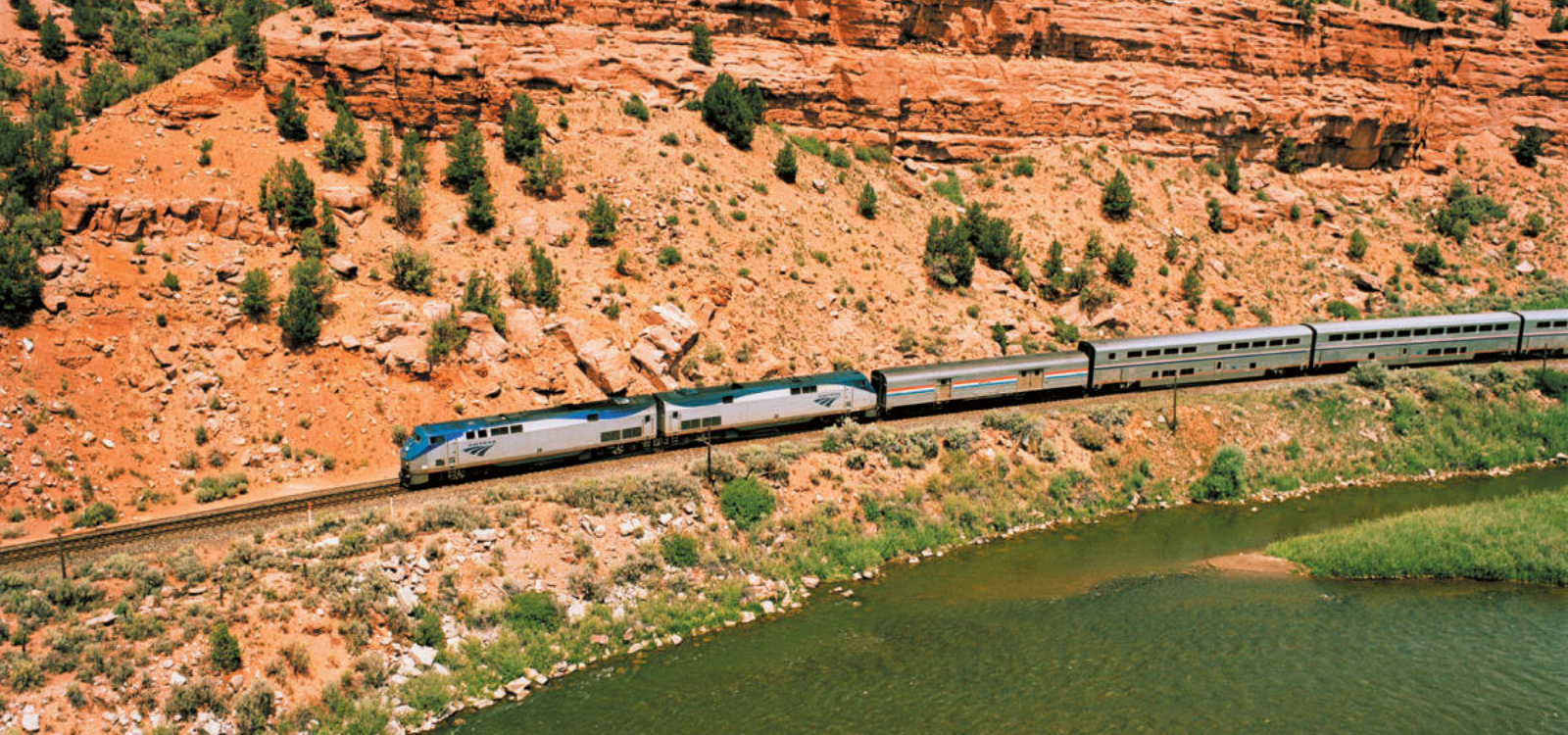
This coast‑to‑coast service threads dramatic river gorges and alpine passes across nearly 3,924 kilometres of varied terrain. It stages marquee segments through the Rockies, along the Colorado River canyons and over the High Sierra for uninterrupted views.
World‑class scenery: Rockies, Colorado River and Sierra Nevada
Key moments include the Big 10 Curve departure from Denver, the 6.2‑mile Moffat Tunnel Subdivision and Glenwood and Ruby Canyons. The route crosses Utah’s Book Cliffs to Helper and climbs the Sierra Nevada over Donner Pass, an enduring spectacle of landscape and light.
Comfort and character aboard classic Superliners
Superliner two‑storey cars bring space and calm to a long haul. Sleeper guests enjoy included three‑course meals, access to the Metropolitan Lounge in Chicago and the panoramic Sightseer Lounge for floor‑to‑ceiling vistas.
Outstanding value for a 3,924 km journey across the United States
The average speed sits near 55 mph with short bursts to 79 mph; the emphasis is on experience rather than haste. For many, this train ride offers better value than multi‑flight alternatives, especially for those who prize scenery, comfort and relaxed slow travel.
amtrak california zephyr: route, distance and key stats
This long‑distance corridor links the Midwest to the Pacific with clear service patterns and defined termini. It provides a single daily departure in each direction and well‑published timings for planning.
Chicago Union Station to Emeryville (Bay Area)
Termini: Chicago Union Station to Emeryville, with an Amtrak Thruway coach onward to central San Francisco.
Train type: long‑haul Superliner consist, sleepers, coaches, Dining car, Sightseer Lounge, Café and a Viewliner II baggage car.

Distance and typical journey times
Distance: 2,438 miles (3,924 km).
Duration: roughly 52½ hours, westbound 52h 57m, eastbound 52h 14m. Allow extra time at each end for real‑world timetable variation on a freight‑shared network.
Stops, numbers, speed and operators
Stops: 33 scheduled calls including Denver, Fraser‑Winter Park, Glenwood Springs, Grand Junction, Provo, Salt Lake City, Elko, Winnemucca, Reno, Truckee, Sacramento and Richmond.
Service numbers: No. 5 westbound to the Pacific; No. 6 eastbound to Chicago. Top speed reaches 79 mph with an average near 55 mph, reflecting mountain grades and scenic sections.
Track and routing: BNSF east of Denver; Union Pacific westward via the Central Corridor and the Moffat Tunnel, a defining passage of the Rockies.
From Chicago to the Bay: the route at a glance
From Chicago’s station the train pushes west, changing scenery from prairies to river‑cut canyons and high alpine crossings.
Depart Illinois prairies - the consist follows BNSF track out of the city and across broad farmland, then crosses the Mississippi River near Burlington into Iowa en route to Nebraska.
Rockies and Colorado River - approaching Denver the route navigates the Big 10 Curve then pierces the Continental Divide through the 6.2‑mile Moffat Tunnel. Westward, extended Colorado River views unfold from Winter Park toward Glenwood and Ruby Canyon.
Utah, Nevada and the Sierra - the line skirts the Book Cliffs to Helper and Provo before the Wasatch Front and Salt Lake City. Across Nevada it follows the Humboldt River corridor to Reno, then climbs to Donner Pass and passes Donner Lake in the Sierra Nevada.
Key notes, scheduled longer stops offer a few minutes for fresh air and photos. The Thruway way from Emeryville is the simplest link into central San Francisco. For cross‑country connections consider the Lake Shore Limited from the east.
Classes, sleepers and seating explained
Passenger accommodation ranges from spacious coach seats to private bedrooms and family suites on the california zephyr corridor.
Coach Class: big recliners, overhead racks and café access
Coach seats recline about 40 degrees and offer generous legroom and overhead racks for carry items. Coach guests use the Café car for light meals and refreshments.
Roomette: compact privacy with attendant service
Roomettes convert from two seats by day into bunks at night. Each has a door and curtain for privacy and a dedicated car attendant for turn‑down service.
Showers and towels are available for sleeper passengers in adjacent facilities. The roomette is widely regarded as the best value first class option on this train.
Bedrooms and Family Rooms: space, en‑suite and accessibility
Bedrooms provide more seating, storage and some en‑suite options. Family Bedrooms and Accessible Bedrooms suit groups and mobility needs.
Meals for sleeper passengers are included in the Dining car; coach travellers may purchase à la carte. Luggage sits on overhead racks in coach and on dedicated racks in sleeper cars, with checked baggage at selected stations.
On‑board life: dining car, Sightseer Lounge and amenities
Dining and viewing areas aboard create daily highlights that many passengers mark as trip favourites. The emphasis is on relaxed pace, attentive table service and panoramic sightlines for major scenic sections.
Dining ca - restaurant‑style meals
The dining car functions as a restaurant‑style venue with three‑course menus, white tablecloths and full silverware. Sleeper fares include meals; Coach guests buy à la carte.
Menus blend classic American choices and vegetarian options, steaks, salmon, burgers and desserts. Sleepers often receive a complimentary soft drink and a glass of wine with dinner.
Sightseer Lounge - prime viewing and social space
The sightseer lounge offers floor‑to‑ceiling glass and informal seating, ideal for canyon and Sierra viewing. It is popular during marquee sections; arrive early to secure a seat.
Practical amenities and realistic connectivity
Sleeper passengers use shower facilities with toiletries and fresh towels, maintained by attentive staff. Checked baggage is offered at selected stations; onboard storage exists in each car.
There is no Wi‑Fi on the route, mobile coverage varies. Power points are available in coach and sleeper areas, so devices can stay charged for work or entertainment.
Day‑by‑day highlights along the California Zephyr
Travel unfolds over three clear days, each offering signature scenery and useful fresh‑air stops. This layout helps passengers plan photo moments and short walks between longer calls.

Chicago departure and the Midwest to the Mississippi River
Day 1 leaves Chicago Union Station and quickly passes suburban Naperville. Wide prairie views follow and the train crosses the Mississippi River at Burlington, a classic photo opportunity.
Mississippi crossing to Nebraska nights and prairie sunrises
Later calls include Ottumwa for a leg stretch. The consist settles into steady running across Nebraska, where long evening hours allow for starry skies and restful sleep.
Denver Union Station, Big 10 Curve and the Rocky Mountain climb
Day 2 brings an extended service stop at Denver for refuelling and photos. The ascent includes the Big 10 Curve and the Moffat Tunnel, with Winter Park offering alpine views en route.
Glenwood Canyon, Ruby Canyon and Utah’s buttes and mesas
Midday passes through Glenwood Canyon and Grand Junction, then Ruby Canyon at the Utah line. Afternoon scenery shifts to mesas and the approach to Salt Lake City.
High Sierra, Donner Lake and rolling into the San Francisco Bay Area
Day 3 crosses Nevada with calls at Elko and Winnemucca before Truckee and Donner Pass. The final hours descend into Sacramento and Emeryville, then a Thruway coach links travellers into San Francisco, timings vary by a few minutes.
Tip: Capture canyon and Sierra sections on video for lasting memories of the trip. For through journeys, consider connections such as the Lake Shore Limited.
Seasonal planning: winter snows to summer sunsets
Seasonal shifts reshape sightlines and comfort on the route. Decide when to travel to match photographic goals and personal comfort.
Winter rides and cold‑weather prep
Winter delivers crisp, snow‑laden panoramas through Winter Park and the Continental Divide. Clear air often improves long-distance views.
Expect comfortable onboard heating, but bring warm layers, sturdy footwear and traction‑ready boots for icy platforms. Book a sleeper for controlled rest and access to showers after outdoor photo sessions.
Summer and shoulder‑season considerations
Longer daylight in summer and shoulder months gives more time to enjoy canyon and High Sierra sections. Desert stretches in Utah and Nevada can be hot by day.
Carry sun protection and plenty of water for daytime stops. Note that summer storms may produce dramatic skies that enhance photographic views.
Practical notes: mobile data may improve near Salt Lake corridors but remains variable. The service runs daily year‑round; staff announce any weather adjustments.
Times, schedule and punctuality you can expect
Timetables on this cross‑country corridor balance scenic running with practical buffers for freight‑shared track.
The daily long‑distance service normally completes the route in around 52–53 hours each way. Selected longer stops at major stations, notably Denver and Salt Lake City, provide useful fresh‑air breaks and time for refreshments.

Typical timetable, service frequency and fresh‑air stops
There is one departure in each direction every day. Expect published schedules to show end‑to‑end timings in the 52–53 hours bracket.
Longer halts at Denver and Salt Lake City are time‑controlled by crew guidance, passengers may step off for a few minutes to stretch and photograph. Plan daylight segments around the timetable for the best viewing windows.
On‑time reality: freight priority, buffers and planning layovers
Dispatching rests with host freight railways (BNSF and Union Pacific), so occasional delays occur. Public timetables build in margins, but real‑world waits of a few minutes or, sometimes, a few hours are possible.
UK travellers should allow buffer time on arrival and avoid tight same‑day flights from Bay Area airports. Use the operator app and station boards for real‑time time and track updates.
Practical tips: book modest layovers at journey ends, reserve flexible dining slots to match scenic windows, and enjoy the trip as an experience rather than a rigid commute. Onboard staff relay updates promptly to keep the journey calm and comfortable.
Connections and alternatives before and after Chicago
Chicago Union functions as a major interchange for long‑distance travel. The city’s Union Station receives overnight sleepers and daytime expresses that link easily to the long westbound service.
Lake Shore Limited: New York to Chicago for a through journey
The Lake Shore Limited is the primary New York–Chicago feeder for a seamless through journey to the west. Timed as an overnight arrival, the shore limited echoes the historic "Water Level Route" and suits travellers who prefer daytime departure from Chicago.
Amtrak Thruway bus to San Francisco across the Bay Bridge
At the western terminus a dedicated Thruway coach runs from Emeryville across the Bay Bridge into central San Francisco. This is the fastest, most reliable coach way to reach the city from the station and avoids extra transfers.
Other trains in Chicago and the wider network
Chicago offers broad connectivity, national routes and Metra commuter lines converge at Chicago Union Station. Useful western links include the Coast Starlight, Capitol Corridor and San Joaquins from intermediate stops.
Review published stops and timings when planning. Allow sensible connection times at hubs and consider a seasonal add‑on such as the Winter Park Express for ski‑focused travellers. Salt Lake City also sits close enough for Utah touring or national‑park extensions.
Costs, inclusions and how to get value
Smart booking turns a deluxe rail journey into an affordable cross‑country adventure. Cross‑country fares can start from about $217 on selected dates and routes. Early reservations deliver the best value for private accommodation.
Sample fares and when to book for better prices for Amtrak California Zephyr
Coach fares offer seat‑only pricing and are cheapest when purchased well in advance. Sleeper fares rise faster, book early to secure Roomettes or Bedrooms and better pricing.
What’s included for Coach vs Sleeper: meals, lounge access and more
Sleeper passengers receive Dining car meals and access to the Metropolitan Lounge in Chicago before departure. Coach guests may buy food and drinks from the Café or the Dining car during the trip.
Checked baggage is available at selected stations. Onboard racks handle hand baggage. Mid‑week departures and shoulder seasons usually give sharper pricing and quieter trains. Consider direction of travel to maximise daylight scenery toward San Francisco and you will get more value from the journey.
Smart tips from recent travellers
Recent travellers share practical guidance to make long rail journeys calm and enjoyable. Small choices—about sleeping, meals and movement, have big benefits for comfort and photos.
Choosing between a reclining seat and a sleeper
Coach seats recline about 40 degrees and suit budget‑minded passengers who can sleep in a chair. They work well for single‑night rests or shorter legs.
Roomettes and bedrooms convert to bunks and provide privacy, storage and access to showers and towels. Choose a sleeper for multi‑night trips to secure true rest and freshening facilities.
Making the most of fresh‑air breaks at major stations
Step off at longer stops such as Denver, but obey crew calls and platform rules. Photograph carriage and platform identifiers to find your car quickly and re‑board on time.
Tipping guidance for attendants and dining service
Tip attendants roughly £4–£12 per person per night (about $5–$15). Add a little extra for room service or exceptional help with luggage.
Packing for comfort: layers, snacks, entertainment and chargers
Pack layers, eye masks and earplugs for variable cabin and station temperatures. Bring chargers, offline entertainment and a mobile hotspot if you need intermittent coverage.
Ways of polite interaction matter, respect fellow passengers and crew to keep the journey pleasant for everyone.
Your trans‑American rail journey awaits
Make the journey an end in itself, reserve a premium cabin on the california zephyr and travel end‑to‑end from Chicago to the Bay for a memorable train ride.
The 2,438‑mile corridor runs daily to Emeryville with a Thruway link into city San Francisco. Expect roughly 52½ hours via Denver, the Moffat Tunnel, Colorado River canyons, Utah, Nevada and Donner Pass.
Sleeper fares include refined Dining, attentive service and Metropolitan Lounge access. Plan buffers at each end, choose direction for preferred daylight through Salt Lake City or the High Sierra, and consider combining with the Lake Shore Limited for a true New York–to–Bay trip.
Honouring the Rio Grande heritage, this scenic route across the United States rewards early booking, secure peak‑season cabins now for a luxury, slow‑travel experience into San Francisco.