
Italy Cruise Ports: Ultimate Guide to Best Ports 2026
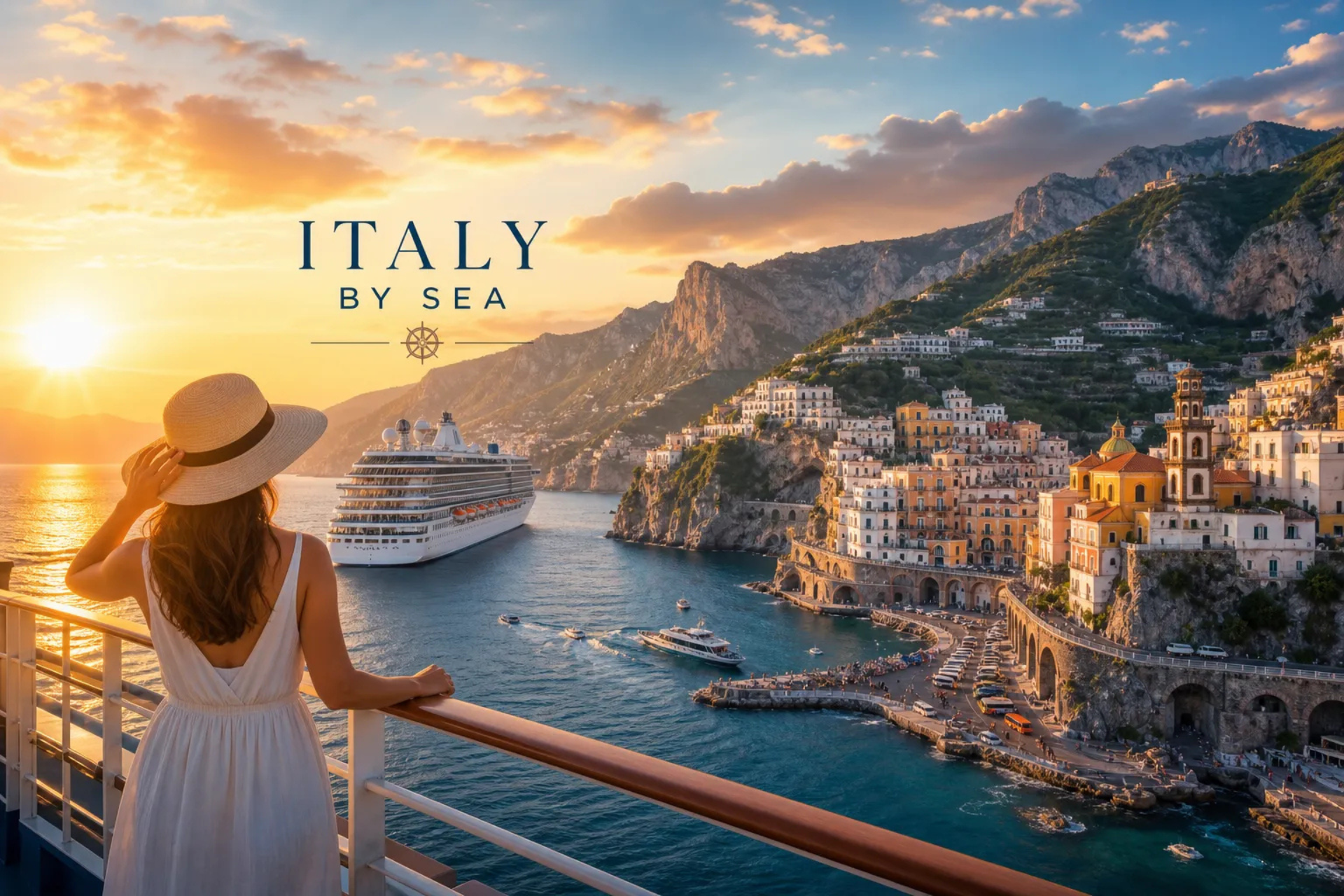
The Ultimate Guide to Cruising Italy's Best Ports

If you plan to cruise Italy, the scale of what is possible becomes clear almost immediately. Arrive in Rome one morning, step ashore in Naples two days later, and wake up to the volcanic skyline of Sicily before the week is out. Italy's coastline is not a backdrop to your holiday. It is the itinerary. There is a particular kind of traveller who spends three days in Rome and leaves certain they have barely scratched the surface. They are probably right, but a cruise offers a compelling alternative.
The boot-shaped peninsula, flanked by Sicily and Sardinia, creates a natural chain of culturally distinct cities within short sailing distances of one another. Most ports have their own dialect, their own kitchen, and their own version of history, regional contrasts that make this one of the most intellectually and sensory-rich cruise routes in the Mediterranean, and arguably the world. This is not a generalised "Mediterranean experience." It is something considerably more layered.
At Skylord Cruise and Holidays, we have spent years arranging Italy cruise holidays for UK travellers: from first-timers testing the waters on a short break to seasoned cruisers who want a slower, more curated passage through the country's lesser-known corners. This guide covers the ports worth your time, the itinerary styles that suit different travellers, what everything costs in 2026, and how to stop overthinking and actually book.
Why Italy is one of the world's great cruise destinations
A coastline that was made for port hopping
The geographic logic of an Italy cruise itinerary is almost too convenient to be accidental. Civitavecchia (Rome's port) to Naples is a relatively short coastal sail. From Naples to Messina in Sicily is another short overnight crossing. You can stand in the shadow of the Colosseum on Tuesday and watch Etna smoulder on Thursday, without a single airport queue or hotel check-in between them.
Unlike a road trip through Tuscany, which rewards patience and repetition, a cruise rewards variety. You move between distinct regions, each with its own food culture, architecture, and atmosphere, without any of the logistical friction of packing and unpacking across multiple hotels. Few Mediterranean cruise routes pack this much cultural contrast into such a compact sailing arc.
Culture, food, and history at every single stop
Every Italian port has earned its place on the map through centuries of civilisation, conquest, and reinvention. Naples gave the world pizza and Pompeii in the same postal district. Sicily carries traces of Greek temples, Arab architecture, and Norman cathedrals within walking distance of each other. These are not tourist attractions bolted onto beach towns. They are places where history is still being lived.
This depth rewards travellers who want more than a pool and a cocktail. Shore excursions in Italy have a way of becoming the most-talked-about memories of an entire voyage, which is precisely why choosing the right ones matters as much as choosing the right ship.
Port by port: what to see, eat, and do on an Italy cruise
Rome via Civitavecchia: the eternal city in a day
Civitavecchia sits roughly 80 kilometres from Rome's historic centre, which means getting there requires a plan. The most practical options are the shuttle bus to Civitavecchia station followed by a regional train (around 75 minutes total), or a pre-booked private transfer that typically costs in the region of £90 to £130 and is worth every penny for groups and families. The train is the budget-smart choice; the private transfer is the stress-free one. For travellers who prefer an organised option, the Civitavecchia shuttle transfer is a reliable, well-used service between the port and central Rome.
Once in Rome, prioritise ruthlessly. The Colosseum and Roman Forum require timed entry tickets booked well in advance. Arriving without one means queuing time you simply cannot afford on a port day. The Vatican is best approached either very early or via a skip-the-line excursion. For lunch, step one street back from the main sights and the prices drop immediately while the quality rises. For most travellers, a curated shore excursion with pre-booked entries to the Colosseum and Vatican represents the single best investment of the entire cruise, though your priorities will naturally vary.
Naples, Pompeii, and the Amalfi Coast
Naples is the port that offers the most dramatically different experiences depending on what you want. History lovers should head straight to Pompeii, one of the most genuinely astonishing archaeological sites in Europe, or the slightly less-visited but equally remarkable Herculaneum. Scenic travellers will want a car along the Amalfi Coast, through Positano, Amalfi town, and Ravello, for hours of cliffside theatre that for many people justifies the entire cruise on its own. If you prefer to pre-book guided options, there are a variety of Amalfi Coast tours covering transfers and cliffside exploration.
For those who stay in Naples itself, the historic centre and the National Archaeological Museum make for a rewarding morning. Wherever you go, you must eat pizza. Naples invented it, and a proper Neapolitan margherita here bears no resemblance to anything you have had at home. Via dei Tribunali in the historic centre is the street to head to, lined with historic pizzerias that have been doing this for generations.
Sicily: Taormina, Mount Etna, and ancient temples
What you can do in Sicily depends entirely on which port your ship calls at. Catania is the closest major cruise port to Mount Etna and the best base for a volcano excursion. It also serves as a practical gateway to Taormina, about an hour north by road. Messina is primarily used as a Taormina gateway, while Palermo rewards a full day in its own right: the old town, the extraordinary Palatine Chapel, and a street food market scene widely regarded as among the finest in southern Europe.
Sicily is consistently the port that surprises travellers most. The food alone justifies the stop: arancini made properly, granita prepared with volcanic spring water, and seafood so fresh it barely needs cooking. The culture is richly layered, with Greek, Arab, Norman, and Baroque influences all visible within a few city blocks, a combination few other Italian destinations can match. First-time visitors often leave Sicily wondering why they have not been before.
Florence (Livorno) and the other ports worth knowing
Livorno is the gateway to Florence and Pisa, two world-class cities accessible in a single shore day with good time management. Florence rewards focused visits: the Uffizi Gallery (pre-booked only), the Duomo, and the Ponte Vecchio. Pisa rewards a focused hour at the Piazza dei Miracoli before you move on. Many travellers underestimate how much ground a well-organised day from Livorno can genuinely cover.
Longer Italy cruise itineraries also include Genoa, connecting to Portofino and the Cinque Terre, and Venice, which functions either as an embarkation city or a standalone port day. Venice in particular rewards an early-morning walk before the crowds arrive. If you prefer an extended land-and-sea option that pairs northern lakes with Venice, our Lake Garda & Venice Deluxe Tour is designed to let you experience both without haste. These ports elevate a 10-night itinerary from a highlights reel into something genuinely comprehensive.
Short break, week-long, or luxury: choosing the right Italy cruise style
The 3, 5 night taster: ideal for first-timers and city break lovers
Short Italy cruise itineraries typically pair two or three Italian ports with a stop in Barcelona or along the French Riviera. They are a low-commitment introduction to sea travel, ideal for travellers who want to experience cruising without committing to a full week. Expect to pay roughly £300 to £700 per person for an interior cabin in 2026, rising to around £900 for a balcony. This format is also popular with UK travellers who want a genuine city break experience with the convenience of unpacking only once.
The classic 7, 10 night Mediterranean loop
This is the sweet spot for most UK travellers and the most popular format on the market. A typical Western Mediterranean loop covers Rome, Naples, and Sicily, often combined with Florence or Genoa for a more complete picture of the country. You get genuine time ashore at each port without the rushed turnarounds that shorter itineraries force. Major lines including P&O, MSC, Royal Caribbean, and Celebrity all offer this format from Southampton and key European embarkation points; see a useful overview of ships cruising from UK ports for seasonal deployment and sailings. Price ranges in 2026 sit at roughly £700 to £1,800 per person depending on cabin grade.
For travellers who want a mixed land-and-sea route, our Venice & Lake Garda Twin Centre with MSC Greek Isles Cruise shows how to combine inland stays with a Mediterranean sailing, giving you both calm lake mornings and island-hopping afternoons.
Premium and luxury sailings: when you want to go deeper
Luxury Italy cruise itineraries differentiate themselves through smaller ships, longer port stays, and routes that reach ports the big ships never call at. Lines such as Viking offer Rome-to-Venice itineraries at a pace that lets you absorb each destination rather than rush through it. Prices start at approximately £2,500 per person and rise well beyond £5,000 for the finest cabins. These itineraries suit travellers who have already experienced the headline ports and are ready for something more considered and unhurried.
When to sail and what to budget for an Italy cruise holiday
The best months for Mediterranean cruises in Italy
July and August deliver the best beach weather but also the highest prices, the busiest ports, and the tightest availability. September is the single best month for most travellers: warm water, noticeably calmer ports, and prices that fall meaningfully from their August peak. May and June offer similar advantages, with slightly less guaranteed warmth but excellent cabin availability and fares that sit well below summer rates. For a more detailed month-by-month perspective, consult a guide to the best months to cruise the Mediterranean.
For families: book July or August, accept the higher cost, and secure your cabins early. For couples and solo travellers: September is hard to argue with. October offers genuine value and crowd-free ports for those with flexibility, though the weather becomes less reliable as the month progresses. Winter sailings exist and can be excellent value, but itinerary options are more limited.
Typical price ranges in 2026 by cabin grade
Short 3, 5 night sailings start from around £300 for an interior cabin, rising to £900 and beyond for a balcony. Classic 7-night itineraries run from approximately £700 (interior) to £1,800 (balcony) to £3,500 and above for a suite. Longer 10, 12 night sailings begin at roughly £1,000 for an interior and climb to £6,000 or more for suite-level accommodation. Note that all-in pricing varies considerably by cruise line: some include drinks packages, gratuities, and shore excursions, while others price these separately.
Booking 6, 12 months ahead secures both the best cabin selection and the most competitive pricing. Last-minute deals do appear on interior cabins during lower-demand periods, but for peak summer Italy cruise sailings, early booking is the only reliable strategy.
How to plan your Italy cruise without the stress
Why a tailor-made approach beats booking it yourself
The ship is the easy part. The real complexity of cruising Italy lies in the port logistics: getting from Civitavecchia to Rome and back without missing your ship, pre-booking timed entries to the Colosseum weeks in advance, choosing the right Sicily port for your specific interests. Each of these decisions requires knowledge that only comes from experience, and getting any one of them wrong can turn a wonderful day into a stressful one.
A travel specialist who knows these routes removes that friction entirely. They have already solved the Civitavecchia question dozens of times. They know which shore excursion in Naples is worth the premium and which is overpriced coach tourism. Specialists working through established trade relationships can also often access cabin pricing and added extras that are not available to those booking directly, a practical advantage worth exploring when comparing your options.
What Skylord Cruise and Holidays does differently
At Skylord Cruise and Holidays, we work specifically with UK travellers to build Italy cruise itineraries around what they actually want from each port, not what looks most photogenic in a brochure. Whether you are a couple seeking a romantic week in southern Italy, a family weighing up a 7-night Mediterranean loop during school holidays, or a seasoned cruiser ready for something smaller and less predictable, we match the right line, the right itinerary, and the right cabin to your priorities. For clients wanting a relaxed combination of lake and lagoon, our Lake Garda & Venice Deluxe Holiday is a popular option that pairs inland tranquillity with coastal exploration.
The difference between spending three weeks researching cruise lines independently and spending an hour with someone who has already arranged dozens of these trips is considerable. Get in touch with Skylord Cruise and Holidays to compare current Italy cruise deals for 2026, and start building an itinerary around the ports that actually matter to you.
The case for going now
Italy's genius is that it never gives you the same experience twice. Return to Naples ten years later and you will notice something you missed the first time. Discover a Sicilian port you had never heard of on your second sailing and wonder why you did not know about it sooner. Every port is a different chapter; every itinerary is a different way of reading the same extraordinary country. That variety is precisely what keeps experienced cruisers coming back to Italian waters year after year.
The travellers who get the most from an Italy cruise holiday are the ones who arrive knowing what they want from each stop, supported by someone who ensures the logistics do not get in the way of the experience. With 2026 sailing dates filling up through the summer months, there is a strong case for moving from planning to booking sooner rather than later. If you are ready to cruise Italy in a way that is genuinely built around you, that conversation starts with Skylord Cruise and Holidays.
Frequently asked questions about cruising Italy
When is the best time to book a cruise to Italy?
For most travellers, booking 6, 12 months in advance gives you the widest choice of cabins and the most competitive fares. September departures in particular tend to sell quickly, so early planning pays off.
Which Italian ports are included on most cruises to Italy?
The most common ports on a Western Mediterranean itinerary are Civitavecchia (for Rome), Naples (for Pompeii and the Amalfi Coast), and one or more Sicilian ports such as Catania, Messina, or Palermo. Longer itineraries often add Livorno (for Florence and Pisa), Genoa, and Venice.
Do I need to pre-book shore excursions for an Italy cruise?
For Rome and Florence in particular, pre-booking is strongly advisable. Timed entry to the Colosseum and the Uffizi Gallery can sell out weeks or months in advance, especially during the summer season.
Can Skylord Cruise and Holidays help me find Italy cruise deals for 2026?
Yes. We compare itineraries, cabin grades, and departure dates across multiple cruise lines to find the right combination for your budget and travel dates. Get in touch to start the conversation. If you'd like to explore more extended land-and-sea itineraries that combine lake stays with cruising, consider our Lake Garda & Venice Deluxe Tour for an example of what can be arranged.