Managing Food Sensitivities on MSC Cruises
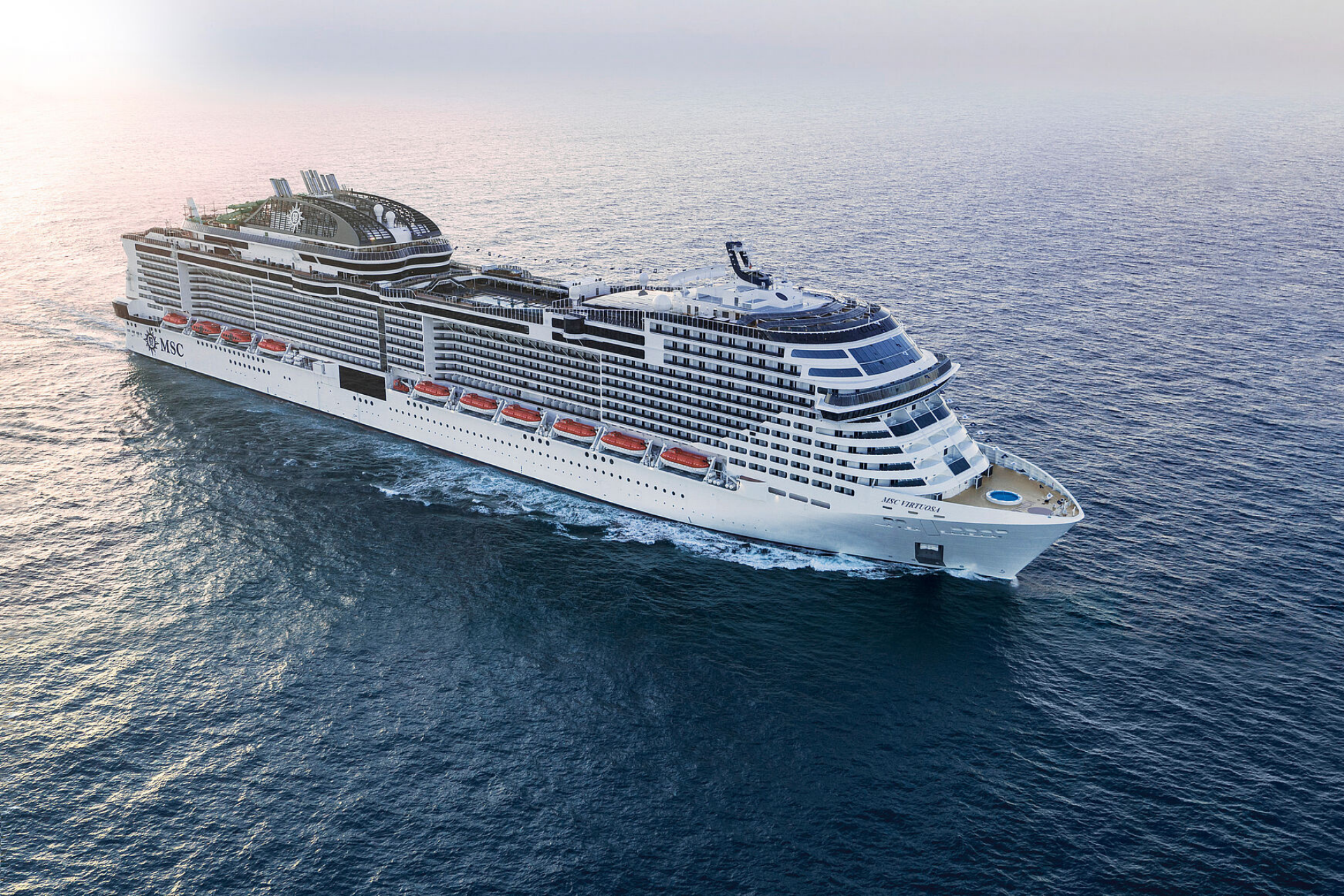
Sailing away on an MSC cruise from Southampton promises relaxation, adventure, and plenty of memorable meals along the way. But for travellers with food sensitivities or allergies, mealtimes can feel a bit stressful. Whether you're dealing with gluten intolerance, a nut allergy, or lactose sensitivity, it’s important to feel confident that you’ll be looked after while enjoying your time at sea.
Planning ahead makes a big difference, especially when it comes to food. Cruises are well known for offering a wide variety of dining experiences, from formal restaurants to casual buffets. The good news is that many cruise ships, including MSC Cruises sailing out of Southampton, are becoming more conscious of guests with specific dietary needs. That said, there are a few things you can do before and during your trip to make sure you’re comfortable and well-fed without worry.
Understanding Food Sensitivities and Allergies
Before boarding, it helps to have a clear understanding of what classifies as a food sensitivity versus a food allergy so you know exactly how to explain your needs while onboard. Both conditions involve a reaction to certain types of food, but the body handles each quite differently.
Food sensitivities are generally slower, digestive-related issues. For example, gluten or dairy sensitivities might lead to bloating, stomach cramps, or general discomfort rather than an immediate response. On the other hand, allergies like those to peanuts or shellfish can trigger a fast and sometimes serious immune reaction. That makes the distinction important to know, especially when communicating with staff who need to understand the level of care required.
Some common conditions that fall under food sensitivities or allergies include:
- Gluten intolerance (such as coeliac disease or gluten sensitivity)
- Dairy or lactose intolerance
- Nut allergies (including peanuts and tree nuts)
- Shellfish or seafood allergies
- Soy or egg sensitivities
Cruise kitchens already accommodate lots of special diets, from religious choices to conditions like diabetes, so being able to clearly categorise your needs makes it easier for the crew to support you appropriately. The more specific you can be, the smoother your experience becomes.
Pre-Cruise Preparation
A smooth experience starts long before you step onto the ship. Giving MSC Cruises as much notice as possible about your food sensitivities allows their team time to make arrangements. You can do this by contacting customer service or your travel planner a few weeks in advance. When notified early, they might be able to prepare special meals, stock certain items, or arrange for direct communication between you and the dining team once onboard.
Here are a few things worth doing before you depart:
- Contact MSC Cruises: Share precise details about the types of food you need to avoid and explain the severity of your condition.
- Pack smart: Bring specific snacks, protein bars, or ingredients that may not be available onboard. These can be helpful during port days or in-between meals.
- Carry documentation: Having a doctor’s note, a dietary card in multiple languages, or even wearing an allergy ID bracelet can ease communication, especially with staff from different countries.
- Get travel insurance: While not specific to cruises, this is a smart precaution when travelling with any kind of health condition.
A little work upfront can help prevent confusion later. It saves time and reduces stress, letting you enjoy more of the things you actually came for.
Dining Options on MSC Cruises from Southampton
One of the most exciting parts of going on a cruise is the food, and MSC offers lots of dining venues. Whether you're after a formal dining experience, a themed restaurant, or something more relaxed, there’s a wide range of choices. For travellers with food sensitivities, it’s useful to know how each option might affect your safety and comfort.
Buffet-style dining is convenient and varied, but it can come with some challenges. Cross-contact is more likely in these settings, especially with shared utensils. That said, the stations are usually labelled, and there are staff members around to answer questions. If you’re not sure about something, just ask. It’s better to pause and clarify than to risk a reaction.
Main dining rooms offer a bit more control. Because meals are ordered in advance and served to your table, it’s easier to avoid ingredients you can’t tolerate. On your first night, check in with the maître d’ or head waiter. They’ll usually be your main point of contact for arranging special meals and making sure your needs are met throughout the cruise. Sometimes chefs can even create dishes off-menu if they’re informed ahead of time.
Some cruises might allow you to speak directly with kitchen staff to discuss your diet. This is especially useful for more severe allergies. Establishing this link early means your meals can be prepared separately, reducing the chance of accidental exposure.
Where possible, try to dine at the same time each day with the same staff. This helps build familiarity and reduces any chance of confusion. It also lets the crew plan and prepare safe options in advance, saving you the effort of repeating your requirements each day.
Tips for Onboard Management of Food Sensitivities
Even with lots of preparation beforehand, staying mindful onboard is still important. There’s a team ready to help, but it’s still good to stay aware of what you're eating and how it’s prepared.
Here are a few helpful tips to keep mealtimes easy and safe:
- Pay close attention to menus and ask about anything unclear. Sauces, dressings, and marinades often contain unexpected ingredients.
- Don’t be shy about asking how food is made. Something basic like mashed potatoes might have dairy added, depending on the chef’s style.
- Join any dietary briefings or welcome meetings for those with allergies. This gives you the chance to meet important staff and ask questions.
- Stick to what you know if you’re unsure. It’s fun to explore new food, but safety always comes first.
- Let your dining team know in advance if you'll be attending special events or shore excursions where meals will be served. They might be able to prepare meals for you to take or inform staff at the event.
A guest once told us about how they partnered with restaurant staff each morning to go over the evening’s menu. As a result, they always had a gluten-free dinner arranged and never once had to worry. Small routines like this can make a huge difference to your holiday.
Feel Confident While You Cruise
Managing food sensitivities on MSC cruises from Southampton doesn’t need to feel like a burden. With the right preparation, clear conversations, and a little bit of planning, you can still enjoy all the culinary experiences that cruising has to offer.
Travelling with a dietary restriction is more comfortable when the staff genuinely understand your needs. Most importantly, when you take time to make sure everyone is informed, from the chefs to the servers, you’re setting yourself up for an easier and much more enjoyable time. Whether it's a simple adjustment to a dish or a full custom menu, support is usually there when you ask for it.
Your cruise should be about relaxing, exploring, and soaking up new places without food worries hanging over your head. So go ahead and savour it all, the sights, the flavours, and the feeling of truly switching off.
For those ready to start their adventure, explore the freedom of cruising with peace of mind. Discover the comfort and convenience of MSC cruises from Southampton and enjoy travelling without worries. Trust Skylord Cruise & Holidays to plan a seamless holiday that considers your needs, leaving you to focus on making lasting memories.