
Premium ASIA CRUISES - Curated Itineraries for Discerning Travellers
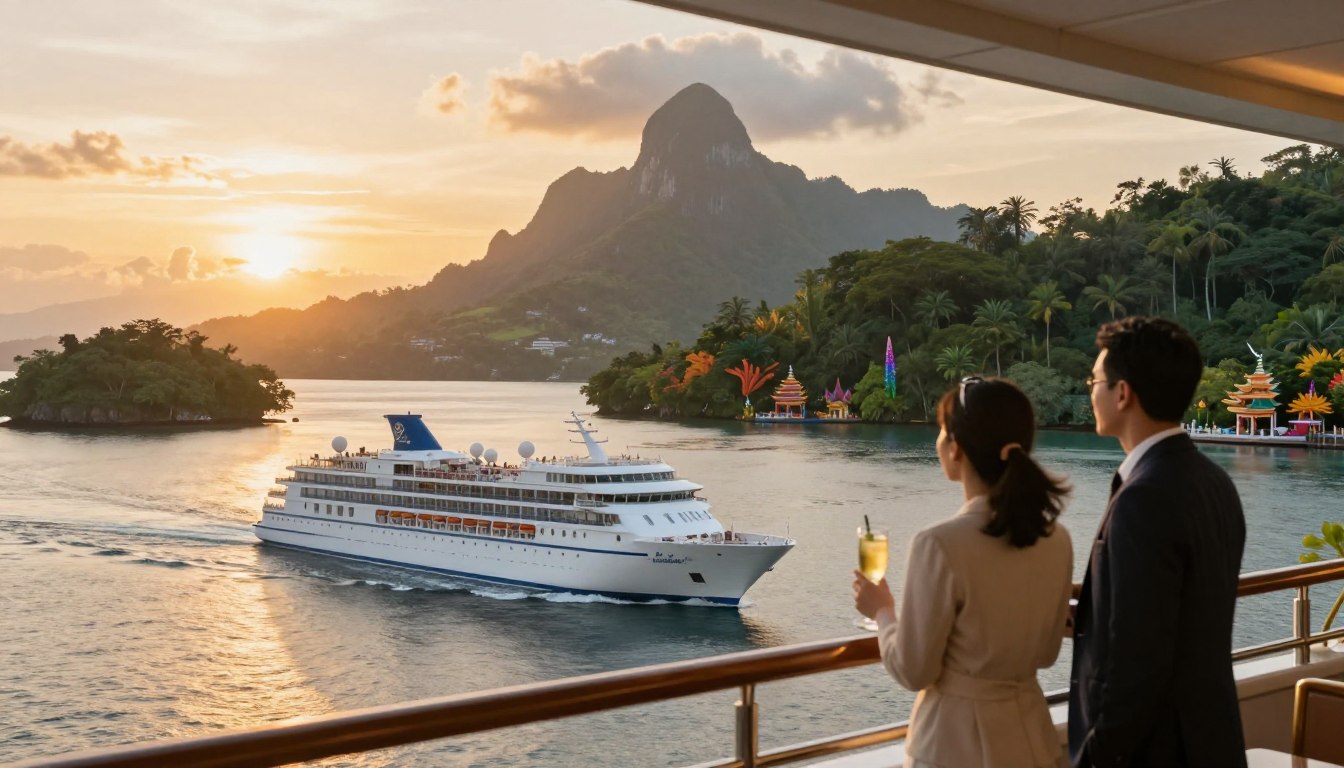
Premium Asia Cruises - Curated Itineraries for Discerning Travellers
Curious which itinerary can show you more of the Far East with less fuss? This page positions a premium service for UK travellers seeking curated Asia cruises with elevated standards and seamless logistics.
Premium means thoughtful routes, elevated onboard standards and trusted support from enquiry to embarkation. Guests enjoy more destinations in one trip, fewer internal flights, less packing and consistent service at sea.
Options range from short three-night sailings such as Tokyo to Keelung, to extended 11-night voyages linking Tokyo, Busan and Osaka. Each itinerary is crafted so buyers can self-select: short, mid-length or extended stays.
Practical perks: clear pricing, cruise & stay options, premium inclusions and easy ways to compare value. The page will guide where to go, when to travel, weather windows, sample itineraries, shore excursions, ports and pricing essentials.

Key Takeaways
- Curated itineraries for discerning UK travellers seeking premium multi-port experiences.
- Short, mid-length and extended options to match time and budget.
- More destinations per trip, fewer internal flights and consistent service at sea.
- Transparent pricing, premium inclusions and cruise & stay choices.
- Next steps: view itineraries, check weather windows, compare excursions and book.
Premium Asia cruises from the UK: what makes the experience truly luxury
Premium sailings from the UK combine considered routing with elevated service to make multi‑country travel effortless.
Premium is defined by attentive hospitality, refined stateroom comfort and consistent onboard standards. Staff deliver personalised service, clear timings and straightforward support for complex travel plans.
Curated itineraries favour standout ports and longer calls so passengers spend more time ashore and less time in transit. That routing reduces domestic flights and keeps the journey efficient for busy UK travellers.
Onboard, guests find destination-led enrichment, high-quality dining and well-designed drinks packages. Evening entertainment balances intimate theatre shows with headline productions, every show tailored to a luxury audience.
Practical benefits are simple, unpack once, visit multiple cities and enjoy a single booking that covers accommodation, dining and transfers. For first-time visitors, food lovers and culture seekers, a premium cruise offers comfort with convenience.
- Service markers: polished hospitality, deluxe staterooms and reliable timetables.
- Onboard proposition: refined dining, curated drinks options and varied evening show formats.
- Who benefits: newcomers to the region, culinary travellers, and those who prefer relaxed, unpack-once travel.
Where to go: Far East and Southeast Asia destinations worth sailing
Voyages through the far east and southeast asia link modern cities, heritage sites and coastal scenery to suit varied traveller interests.
The Japan leg pairs Tokyo and Yokohama, modern energy and design, with access to Kyoto’s sacred temples. Osaka offers food culture while Kagoshima showcases Sakurajima and dramatic volcanic landscapes.
Republic of Korea highlights
Busan is famed for beaches, seafood and mountain backdrops. Jeju Island adds forests, waterfalls and active outdoor options for hiking and watersports.
Taiwan (China) and China gateways
Keelung serves as the Taipei gateway—city viewpoints meet nearby mountains. Shanghai and Shenzhen act as modern hubs with access to water towns and artisan villages such as Zhujiajiao and Dafen, rich in culture and history.
Iconic city calls
hong kong remains a signature arrival moment—harbour cruising, skyline night views and a compact city experience ideal for premium travellers.
- Match by interest: choose temples, beaches, city icons or landscapes.
- Practical tip: pick ports that reduce internal flights and maximise shore time.
Best time to cruise Asia: seasons, festivals and signature scenery
Selecting when to sail determines whether passengers see fiery autumn canopies, snow-edged peaks or blossom-studded parks. This guide helps premium travellers choose the right time for scenery, comfort and exclusive moments.

Autumn highlights
Mid-November to December brings peak foliage across Japan, from Hokkaido mountains to Tokyo parks. Days are crisp and ideal for photography and extended shore time.
Winter appeal
Winter sailings offer dramatic, snow-capped landscapes and clear city days. Mount Fuji can appear vividly framed by winter air; ports serve seasonal cuisine and cosy evenings ashore.
Spring blossom window
Cherry blossoms open from late March in southern cities and reach Sapporo by mid-April. Taipei’s mild spring adds subtropical floral displays—perfect for multi-destination itineraries.
- Short trips (days): target one seasonal highlight to maximise value.
- Longer cruises: allow season-chasing across regions and varied views.
- Booking cue: season choice affects availability and premium cabin selection windows.
| Season | Best months | Top benefit |
|---|---|---|
| Autumn | Mid-Nov to Dec | Peak foliage and crisp sightseeing |
| Winter | Dec to Feb | Snow-capped landscapes and seasonal cuisine |
| Spring | Late Mar to Mid-Apr | Cherry blossoms and mild coastal days |
Weather by region: what to expect at sea and in port
Climate varies across the route—understanding patterns helps plan time ashore and comfort at sea.
Subtropical Taiwan (China)
Autumn from September often extends summer warmth while avoiding peak heat. Days suit sightseeing, beaches and clear viewpoints.
At sea, expect mild evenings and calm decks on most sailings.
Japan and Korea in winter
Winter brings crisp air and bright days. Tokyo and Kyoto are typically milder than northern ports; Busan often records the mildest winter temperatures in Korea.
Passengers should plan for cool mornings ashore and warmer indoor comfort on the ship.
Spring conditions
Spring offers pleasant temperatures across the far east, ideal for promenades and cultural visits.
Note: Busan can feel chillier when strong spring winds arrive and may create wind‑chill on deck.
"Curated itineraries balance sheltered sea days with longer port calls to maximise comfort and views."
- Packing essentials: layers, a light jacket for evenings and sturdy footwear for city walking days.
- Practical point: multiple latitudes mean weather can change within one cruise, check forecasts close to departure.
- Premium reassurance: programmes often mix sheltered sea time with coastal days to reduce exposure to rough weather.
Curated itineraries and cruise lengths: choose the right number of days
Choose a voyage length that fits your calendar, short sampling trips through to extensive multi‑port journeys. The number of days sets pace, cost and how many ports you can visit.
Short escapes: three-night options with big-hitting ports
Days: 3. Ideal for a taster asia cruise from Tokyo to Keelung or short island hops such as Keelung → Ishigaki & Naha.
Who it suits: first‑time visitors, add‑on stays to Japan, or travellers with limited annual leave.
Mid-length journeys: five-night routes balancing cities and island culture
Days: 5. Typical route examples include Tokyo → Naha via Keelung and Ishigaki.
These cruises balance city calls and island culture without feeling rushed.
Longer explorations: 11-night sailings for multi-port discovery
Days: 11. Sample route: Tokyo → Muroran → Sakata → Busan → Kochi → Osaka → Tokyo.
Longer journeys deliver varied landscapes, deeper shore time and broader history visits.
How to pick by interest
- History & temples: Kyoto, heritage towns and temple-led shore excursions.
- Beaches & landscapes: Busan, Jeju and island anchors for coastal days.
- Food & cities: Osaka and Tokyo for culinary discovery onshore.
Quick tip: More ports = more variety; more sea days = more onboard relaxation. Premium cabins and popular sailing dates are limited—book early to secure peak seasonal windows.
There are a huge range of Far East cruises with unique pre and post cruise itineraries to book.
Cruise & stay packages: maximise time in Asia’s great cities
Combining city nights with a voyage unlocks deeper local experiences and removes same‑day travel pressure.
Cruise & stay adds hotel nights before or after the ship so guests enjoy full days ashore. This is the premium way to reduce rushed port calls and to sample each destination properly.
Pre and post-cruise stays for Asia cruises
- Tokyo: ultra-modern districts, day trips to Kyoto and refined hotel service. Check out cruise itineraries such as Skylord Cruise and Holiday's 14 night Norwegian Jade All Inclusive Grand Voyage of Japan.
- hong kong: harbour views, dining and easy transfers to embarkation points.
- Singapore: polished gateway into southeast asia with seamless logistics.
Sample routes travellers choose
Popular pairings include hong kong to Singapore, Singapore to Bangkok, and Japan‑intensive sailings that pair Tokyo with Kyoto stays. These routes balance city life and coastal days for varied travel stories.
Bucket-list touring opportunities
Optional, guided upgrades often cover the Great Wall, the Terracotta Warriors and panda conservation visits. These tours create high-impact memories and work well as add-ons to a city stay.
- What’s bundled: hotel nights, airport transfers and timed embarkation transfers.
- Optional extras: guided tours, private transfers and multi‑day land programmes.
"Organised logistics and dependable timings make cruise & stay the smartest way to explore multiple cities without stress."
Shore excursions and cultural highlights in Asia’s top ports
Shore excursions are the premium route to depth—curated tours, direct access and well‑timed days ashore maximise every port call.
hong kong experiences
Victoria Peak offers sweeping panoramic views; Stanley Market provides a local shopping view and lively browsing. These highlights suit short stops and full-day excursions alike.
Vietnam depth
Ho Chi Minh City combines dynamic street life with heritage tours. The Cu Chi Tunnels deliver a powerful history experience and are a standout excursion for culture-minded travellers.
Craft and heritage in Shanghai
Visitors can try calligraphy and step into historic water towns such as Zhujiajiao. These tours contrast modern skylines with centuries of craft and tradition.
Temples and traditions
Busan’s Beomeosa Temple (est. 678 AD) is a key history stop. Japan’s temple trails offer many sacred sites for respectful, guided visits.
Nature and coastlines
Options include Haeundae Beach, Jeju hiking and island national parks like Iriomote‑Ishigaki for dramatic landscapes and coastal beauty.
"Reserve popular excursions early—short port calls and peak season sell out swiftly."
- Booking tip: pre-book shore excursions and tours to guarantee seats and local guides.
- Value: curated excursions save time and deliver deeper local insight.
Ports you can sail from and to: planning your journey from the UK
Major gateway hubs act as the practical start and finish for long‑haul itineraries. These ports determine flight choices, transfer time and the ease of your overall travel plans.
Common embarkation and turnaround hubs
Typical embarkation hubs with strong international links include Tokyo/Yokohama, Keelung (for Taipei), Hong Kong, Singapore, Shanghai and Shenzhen. Pick a hub that matches your preferred cities and flight routes.
Embarkation port vs city centre: ports often sit outside central districts. Allow extra transfer time for city‑centre pickups, immigration and luggage handling.
- UK planning tip: arrive 24–48 hours before boarding to avoid missed connections and allow a relaxed start.
- Ports serving multiple cities: Keelung for Taipei and nearby attractions may require longer transfers than central harbour calls.
- Turnaround logistics: organised transfers, clear baggage handling and documented timings increase comfort on long journeys.
"Select sail‑from and sail‑to points that pair with your hotel nights and flight schedule to reduce stress and maximise shore time."
Action step: choose ports that align with your city stays, book a pre‑cruise hotel if arriving from the UK late, and confirm transfer arrangements with the operator for a smooth start to your journey in this part of the world.
Pricing and cruise deals: how to secure the best value on premium sailings
Smart buyers look beyond the headline fare to see what the price actually includes.
Price drivers are straightforward: season, itinerary length in days, the ship and cabin category. Peak months and longer, port‑rich routes cost more. Newer ships and suites command a premium.
Compare value, not just the number
When judging cruise deals, weigh inclusions and service against the headline price. A higher fare with generous inclusions can deliver savings overall.
What to look for in added-value offers
Top inclusions: drinks packages, onboard spend/credit, Wi‑Fi and speciality dining. These items reduce on-board extras and improve comfort ashore.

| Fare type | Typical days | Common inclusions | Who benefits |
|---|---|---|---|
| Inside / Balcony | 3–7 days | Basic meals, select entertainment | Short breaks, budget‑conscious |
| Suite / Deluxe | 5–11 days | Drinks, dining upgrades, onboard credit | Luxury seekers, longer stays |
| New ship premium | 7–11 days | Enhanced service, better itineraries | Design and comfort prioritised |
Timing and total holiday cost
Shoulder seasons often offer better deals while keeping good weather. Always add flights, hotels, excursions and transfers when checking the total cost.
Action: request tailored quotes with dates, ports and cabin style to compare genuine cruise deals for asia cruises or a bespoke cruise asia plan.
Practical travel essentials: packing, currency and time zones
Clear planning saves time and keeps the first days of your trip calm and enjoyable. Pack with flexibility and respect in mind: layers for changing temperatures, smart eveningwear for onboard dining, and modest clothing for visits to temples and sacred sites.
What to pack
Daytime — comfortable city walking clothes, a light rain layer and sturdy walking shoes or hiking boots for nature stops.
Evenings — smart casual for bars and restaurants; one formal outfit for Gala Night if your sailing includes a dress code.
Onboard essentials: swimwear, toiletries, adaptor plugs, and a small first‑aid kit. Add a foldable daypack for shore excursions.
Currency guide
Plan spending by country: Japan uses yen; the Republic of Korea uses South Korean won; Taiwan (China) uses the New Taiwan dollar; China uses renminbi (Chinese yuan).
Carry a mix of cards and small notes for local markets and taxis. Tipping varies by country — check local norms before you board to avoid awkward moments.
Time differences from the UK
BST: Japan and Korea are typically +8 hours; China and Taiwan are +7 hours.
UK Standard Time (non‑BST): Japan and Korea are +9 hours; China and Taiwan are +8 hours. China uses a single national time zone across its territory.
Practical tip: use these offsets to plan sleep, calls home and excursion start times. Allow at least one full day ashore to adjust after long‑haul travel; staggered activity on the first day helps reduce jet lag.
"Organised documents, simple checklists and clear time planning create a premium, stress‑free start to your journey."
- Premium checklist: passport, visas, local currency, printed itineraries and a charged phone with roaming or local SIM.
- Packing by scenario: city walking, cooler sea evenings, formal dining and temple visits.
- Logistics: align flight arrival with embarkation days to avoid rushed boardings and to enjoy the first sea day.
Conclusion
A premium voyage combines purposeful routing, thoughtful service and curated onshore moments to deliver a seamless, high‑value holiday.
ASIA CRUISES offer a luxury-led way to visit multiple ports with consistent standards. Choose season (autumn foliage, winter snow or spring blossom), pick the ports that matter and set a comfortable trip length to match your pace.
Key pillars — standout onboard show programming, refined dining and intelligent itinerary design — define the premium experience. Shortlist Far East or southeast asia, select your sailing window, then compare premium inclusions.
When ready, provide preferred departure month, must-see cities, cabin type and whether a cruise & stay is required. The team will offer transparent options and support booking with confidence for UK travellers.
FAQ
What defines a premium Asia cruise experience?
When is the best time to sail in the region?
Which ports and cities are must‑visits on an East and Southeast Asian itinerary?
How long are typical itineraries and how do I choose the right length?
What shore excursions should I consider?
Are cruise & stay packages available and why choose them?
What influences cruise pricing and how can I secure the best deal?
Which embarkation ports are commonly used for regional sailings from the UK?
What should I pack for a luxury cruise in the region?
Which currencies will I need and how do time zones compare to the UK?