
Serengeti Migration: Experience Africa's Iconic Wildlife Journey
Serengeti Migration: Experience Africa's Iconic Wildlife Journey
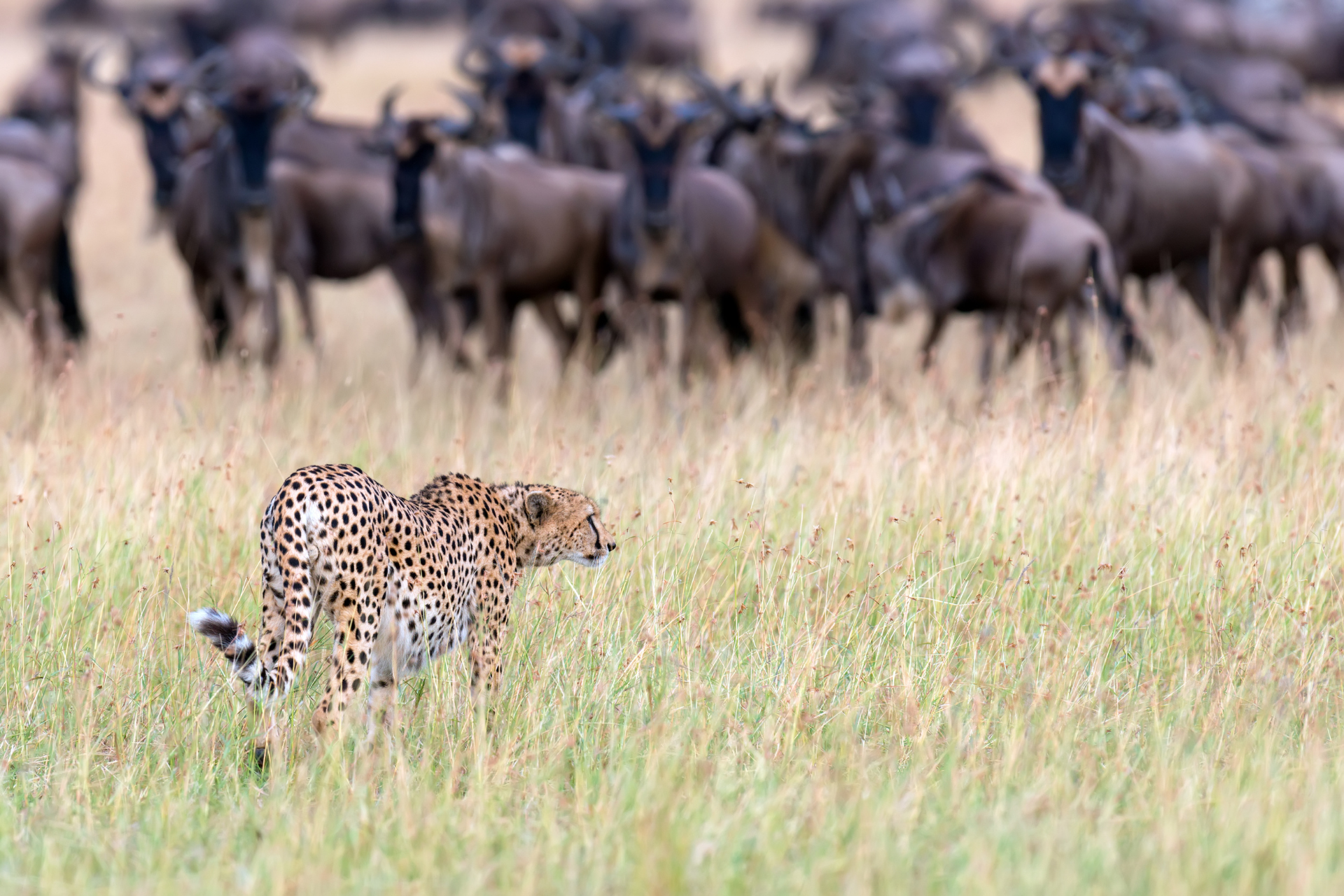
Every year, over a million wildebeest, zebras, and gazelles travel across the Serengeti. They search for greener pastures. This is known as the great migration. It shows the amazing beauty of Africa's wildlife.
On a Tanzania safari, you'll see the great migration up close. It's an experience that will amaze you. The Serengeti National Park is famous for its wide savannas and many animals. It's a top spot for anyone who loves safaris.

You're about to start an exciting journey through Africa's most famous wildlife experience. Here, nature's rhythm will unfold before your eyes.
Understanding the Serengeti Migration
The annual wildebeest migration is a key part of the Serengeti's ecosystem. It shows the balance of African wildlife. Millions of wildebeest, zebras, and gazelles move across the plains. They search for new places to eat.
What is the Serengeti Migration?
The Serengeti Migration is an annual migration of wildebeest, zebras, and other animals. They move between Tanzania's Serengeti National Park and Kenya's Maasai Mara Reserve. They follow the rains to find food and water.
This migration is more than just animals moving. It's a complex process. The wildebeest's grazing is crucial for the ecosystem.
The Importance of the Migration
The Serengeti Migration keeps the ecosystem balanced. The wildebeest and other animals help spread seeds and fertilize the soil. They also create paths for other animals.
Predators like lions and leopards depend on the migration. They need the abundant prey to survive. This balance is key to the ecosystem's health.
Key Species Involved
The migration includes many species, with wildebeest being the most famous. Zebras, gazelles, and Thomson's gazelles also play important roles. Each species has adapted to the Serengeti's harsh conditions.
Understanding these species is vital. It helps us see the complexity and beauty of the Serengeti Migration.
Best Time to Witness the Migration
To see the Serengeti Migration at its best, knowing when to visit is key. The migration moves throughout the year, with different parts of the Serengeti National Park and the Maasai Mara hosting it at different times. Planning your safari adventure well means understanding the seasonal patterns of the wildebeest herds.
Seasonal Patterns of the Migration
The Serengeti Migration follows a cycle based on food and water availability. In February, the wildebeest are in the central Serengeti, eating and raising their young. As the seasons change, they move to the western corridor and then to the Maasai Mara in Kenya.
Ideal Months for Safari
The best time for a safari in the Serengeti varies based on what you want to see. For the calving season, January and February are perfect, with thousands of wildebeest born in the central Serengeti. For the exciting river crossings, July and August are the best months as the herds head to the Maasai Mara.
Weather Conditions in the Serengeti
The Serengeti has a unique rainfall pattern. The long rains are from March to May, and the short rains from November to December. The dry season, from June to October, has dry grasslands and more animals near water, making it great for spotting wildlife.
How to Prepare for Your Safari
Getting ready for your Serengeti Migration adventure is crucial. The Serengeti's vast plains and wildlife make it unforgettable. But, being prepared will help you enjoy it even more.

Essential Gear and Supplies
Choosing the right gear is key for a great safari. Essential items include: comfy, neutral clothes, a good camera, binoculars, sunscreen, a hat, and bug spray. Remember a refillable water bottle to stay hydrated.
Think about the season and weather when packing. The Serengeti's weather can change a lot. Layered clothing is best to adapt to any weather.
Travel and Accommodation Tips
Choosing your travel and accommodation wisely is important. Booking a guided safari tour can make your trip better. Guides know the best spots and times to see the migration. Also, pick lodges or tented camps near the Mara River or in the central Serengeti for the best views.
| Accommodation Type | Location | Benefits |
|---|---|---|
| Luxury Lodges | Central Serengeti | Comfort, guided tours, prime viewing areas |
| Tented Camps | Near Mara River | Immersive experience, proximity to migration routes |
Health and Safety Considerations
Your health and safety are top priorities on safari. Consult your doctor before you go to check on vaccinations. Also, take malaria prevention, as it's needed in some areas.
Always listen to your tour guides. They know how to keep you safe while watching wildlife. Keep a safe distance and never try to touch or feed animals.
Choosing the Right Safari Experience
Getting ready for your safari adventure means picking the perfect experience. The Serengeti has many options to fit your preferences and needs.
Guided Tours vs. Self-Drives
Choosing between a guided tour and a self-drive safari depends on what you prefer. Guided tours offer expert knowledge and easy navigation. Self-drives let you explore at your own pace.
Guided Tours are great for those who want to see more wildlife without worrying about the terrain. Guides share their knowledge on animal behavior and the ecosystem, making your experience richer.
Self-Drives are for the adventurous, letting you explore the Serengeti freely. You'll need to plan well, including renting a vehicle and knowing the park's rules.
| Feature | Guided Tours | Self-Drives |
|---|---|---|
| Expert Guidance | Yes | No |
| Flexibility | Limited | High |
| Navigation | Handled by Guide | Self-Navigated |
Luxury Lodges and Tented Camps
Choosing where to stay is key to your safari experience. Luxury lodges and tented camps offer comfort and let you enjoy the Serengeti's beauty.
Luxury Lodges provide top comfort with amenities like fine dining and spas. They often have guided tours and activities, perfect for a relaxed safari.
Tented Camps give a real safari feel, letting you stay close to nature. They're designed with luxury in mind, offering great service and comfort.
Eco-Friendly Safari Options
For those who care about the environment, eco-friendly safari options are available. These focus on reducing tourism's impact and supporting local communities.
Eco-Lodges have a low environmental impact, using sustainable materials and practices. They support conservation and offer chances to meet local communities.
Choosing an eco-friendly safari helps protect the Serengeti's ecosystem and supports sustainable tourism.
Photography Tips for the Migration
Starting your safari in the Serengeti National Park is exciting. Capturing the annual migration through your camera can be very rewarding. To do well, you need the right equipment and techniques.
Best Camera Gear for Wildlife Photography
For wildlife photography, the right gear is key. You'll need a camera that focuses quickly and can take lots of photos fast. A telephoto lens of at least 200mm is best for getting close shots without scaring the animals.
Recommended Camera Equipment:
| Equipment | Description |
|---|---|
| DSLR or Mirrorless Camera | For high-quality images and fast autofocus |
| Telephoto Lens (200mm-600mm) | For capturing wildlife from a distance |
| Tripod or Monopod | For stabilizing the camera during shots |
Techniques for Capturing Action Shots
To capture the Serengeti Migration's movement, you need skill and technique. Use a fast shutter speed to freeze the action. Try panning your camera to follow the animals. Being ready and patient will help you get the perfect shot.
Tips for Action Shots:
- Use a fast shutter speed (1/1000th of a second or faster)
- Pan your camera to follow the subject
- Anticipate the action to capture the decisive moment
Ethical Wildlife Photography Practices
When taking photos of wildlife, keep a safe distance and don't disturb them. Be aware of your surroundings and respect the animals' natural habitat. Ethical photography helps protect the Serengeti for the future.
Ethical Photography Guidelines:
| Practice | Description |
|---|---|
| Maintain a safe distance | Avoid disturbing the animals and respect their space |
| Be aware of your surroundings | Understand the environment and potential risks |
| Follow guidelines | Adhere to park rules and guidelines for photography |
Top Locations to View the Migration
Seeing the great migration is a unique experience. The Serengeti is the best place to watch it. As you explore this famous African wildlife reserve, you'll get close to the Serengeti Migration.
You'll visit different spots in the Serengeti. Each spot gives a special view of this amazing event. The Mara River Crossing is one of the most exciting sights. Here, you'll see wildebeest and other animals crossing the river.

Key Spots within Serengeti National Park
The Serengeti National Park has many important places to see the migration. The Central Serengeti is full of wildlife. The Northern Serengeti is where the Mara River Crossing happens.
Visitors can see different landscapes in the park. From grasslands to woodlands, each has its own wildlife. The Serengeti's diverse ecosystems are home to many plants and animals. It's a great place for nature lovers.
Rivers and Waterholes to Visit
Rivers and waterholes are key for the migrating animals. They are great places to watch the migration. The Mara River is famous for its river crossings.
Other important waterholes and rivers include the Grumeti River and seasonal waterholes. These spots are perfect for seeing animals interact with each other.
Alternative Viewing Areas and Reserves
There are other places outside the Serengeti National Park to see the migration. The Ngorongoro Conservation Area and the Masai Mara National Reserve in Kenya are great places to visit. They offer different views of this natural event.
These areas let you see the migration and meet local communities. You can also learn about conservation efforts. By visiting these places, you'll understand more about African wildlife and their habitats.
Wildlife Diversity Beyond the Migration
The Serengeti is full of life, from big predators to tiny plants. Exploring the Serengeti National Park lets you see many animals. It's a real safari adventure.
Other Species in the Serengeti Ecosystem
Lions are everywhere in the Serengeti. You might see them resting or chasing prey. Cheetahs are also common, known for their fast speed.
The Serengeti has many animals. You'll see gazelles and elephants. Rivers and waterholes have hippos and crocodiles.
Unique Flora and Fauna of the Region
The Serengeti has different landscapes. You'll find grasslands, trees, and rivers. The grasslands have acacia trees, which help animals.
Many birds live in the Serengeti. They add to the park's amazing variety of life. The plants help the animals and the ecosystem.
Cultural Encounters Along the Journey
Your trip through the Serengeti is a chance to meet the Maasai culture. This adds a special layer to your safari. The Maasai have lived with the land and animals for centuries. Their culture is rich and interesting to explore.
Interactions with Local Communities
Visiting Maasai communities lets you see their traditional life. You can join tours led by the Maasai. Here, you learn about their customs, like the jumping dance, and see a Maasai homestead.
These visits make your trip richer. They also help the local economy by supporting community projects.
Community Engagement Activities:
| Activity | Description | Benefits |
|---|---|---|
| Cultural Tours | Guided tours led by local Maasai community members | Learn about Maasai traditions and customs |
| Homestead Visits | Visit a traditional Maasai homestead to experience daily life | Understand the community's social structure and daily routines |
| Community Projects | Participation in local conservation and community projects | Contribute to sustainable tourism and community development |
Learning About Maasai Culture
The Maasai culture is full of vibrant traditions and a deep love for nature. You can learn about their history, beliefs, and cultural practices. For example, they are skilled in making beautiful beadwork jewelry, which is very meaningful to them.
Conservation Efforts and Community Involvement
The Serengeti's conservation is linked to community involvement. Local people play a big role in protecting wildlife and habitats. By supporting eco-friendly tourism and local conservation, you help protect the Serengeti.
By working with local communities and supporting conservation, you help protect the Serengeti's wildlife and beauty for the future.
The Future of the Serengeti Migration
The Serengeti Migration is a never-ending cycle of life and nature. Every year, many people come to see this amazing event. When planning your Tanzania safari, think about the challenges this natural wonder faces.
Challenges Posed by Climate Change
Climate change is affecting the Serengeti Migration a lot. Weather changes are making it harder for animals to find food. Also, rising temperatures are upsetting the balance of the ecosystem.
Conservation Efforts
To fight climate change, many conservation plans are underway. These include stopping poaching, fixing habitats, and studying migration patterns. Your support can help protect the Serengeti.
Tourist Contributions
As a tourist, you can help the Serengeti Migration. Choose eco-friendly safaris, support local people, and respect nature. This way, you'll help keep the great migration alive.
FAQ
What is the Serengeti Migration?
When is the best time to witness the Serengeti Migration?
What are the key species involved in the Serengeti Migration?
How can I prepare for a safari in the Serengeti?
What are the best locations to view the Serengeti Migration?
How can I contribute to the preservation of the Serengeti ecosystem?
What are the conservation efforts in place to protect the Serengeti Migration?
How does climate change impact the Serengeti Migration?
What cultural encounters can I experience during my safari?
What photography tips can help me capture the Serengeti Migration?