
Slow Travel and Wildlife Moments on an Antarctica Cruise
An Antarctica cruise brings something very different to a holiday. Instead of busy cities or tropical beaches, travellers find a silent stretch of sea, wandering icebergs, and wildlife that barely notices human visitors. It’s a slower type of trip. Some go for the novelty, others for the chance to disconnect. But most people come back saying the same thing, it felt like nowhere else they’d ever been.
Unlike warmer cruises, this journey is more about the experience than the destination list. The landscapes are vast and untouched, often passed in quiet from the ship’s deck. The days move at a relaxed pace. Wildlife tends to appear when it’s ready, and excursions depend on the weather, not a schedule. An Antarctica cruise invites you to pause, look, and take in the space properly.
What the Journey to Antarctica Looks Like
Most Antarctica cruises begin much further south than many people expect. The usual starting point is Ushuaia, at the southern tip of Argentina. Some trips start from Punta Arenas in Chile. Either way, travellers usually take one or two connecting flights from the UK before they even reach these cities. That’s worth planning for with a few rest days built in.
Once onboard, ships need to cross the Drake Passage to reach Antarctica. The crossing itself takes around two days and can feel calm or choppy, depending on the sea. It’s hard to predict in advance, but modern polar ships are built to handle the conditions. People often spend this part of the trip adjusting to the slower rhythm and watching the ocean with interest, often hoping for a whale sighting along the way.
Polar cruises to Antarctica tend to last around 10 to 14 days depending on the itinerary. The specific route can shift due to sea ice and weather forecasts. That flexibility is part of what makes it feel like you’re going somewhere rarely seen.
Some Skylord Cruise & Holidays itineraries offer stopovers or hotel stays in Buenos Aires en route to Ushuaia, allowing travellers to break up long flights and see more of South America before the polar leg begins.
Life on Board During an Antarctica Cruise
One of the things that surprises people is how quiet life on a polar cruise really is. Without splash parks or full-day entertainment schedules, the focus moves elsewhere. Days begin with updates from the crew and expedition staff. These might include weather changes, landing site details for the day, or talks about local wildlife.
Meals are usually shared in one or two dining rooms. Some ships have lounges with floor-to-ceiling windows where people sit quietly, binoculars and cameras in hand. Others might find a quiet corner with a good book, letting the motion of the sea slow things down around them. Crew talks and documentaries often fill evening hours, giving a deeper sense of place and story.
This type of cruising draws people who enjoy space, both outside and in their own time. It gives room to think and breathe, and many of the distractions of typical holidays fall away. There’s less rush and more depth. The trip is shaped just as much by slow afternoons and good conversations as it is by sightings and shore visits.
Skylord Cruise & Holidays works with expedition cruise lines that include educational programming, polar naturalists, and enrichment sessions, making the on-board atmosphere both relaxing and thoughtfully informative.
Landings, Excursions, and Wildlife Encounters
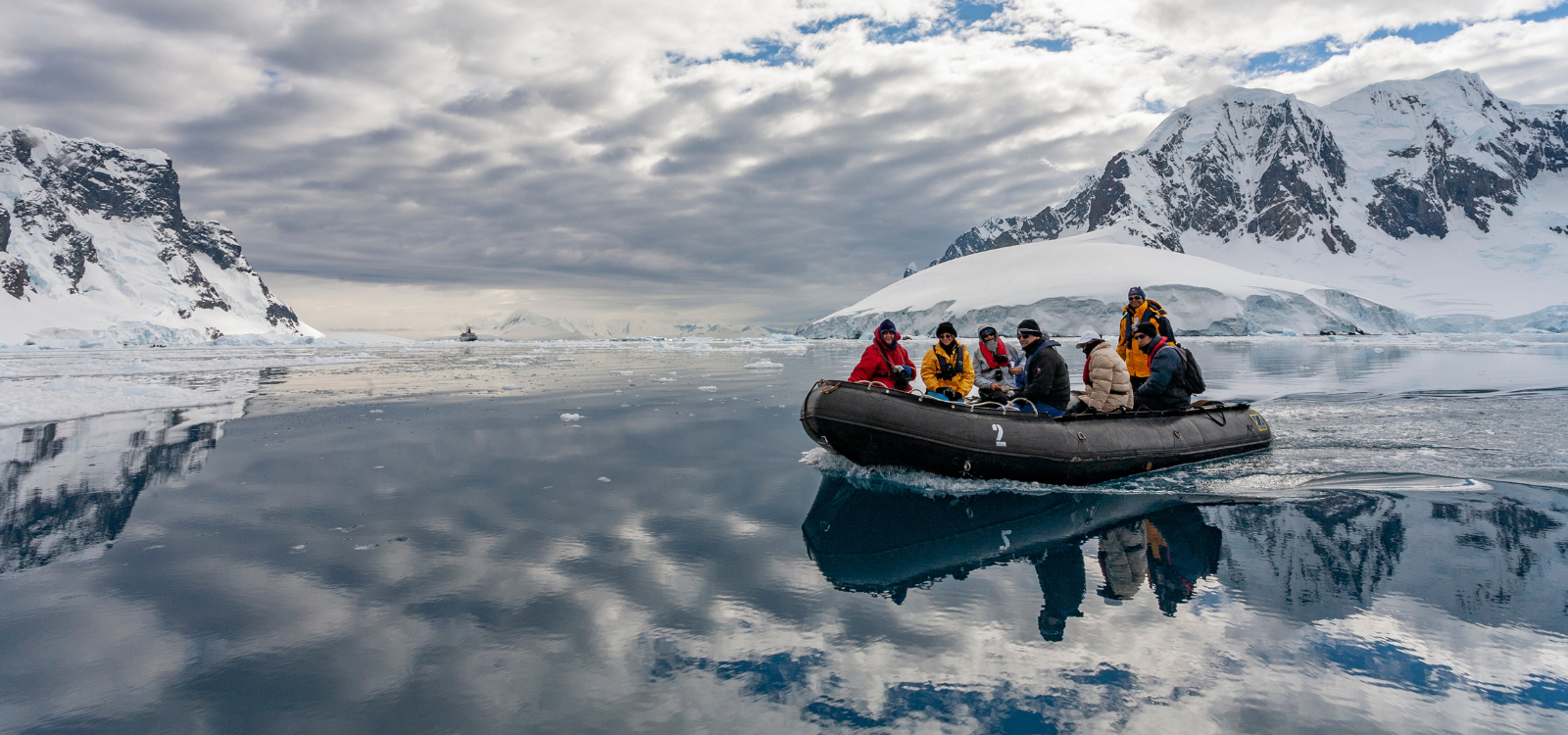
Excursions in Antarctica happen by small inflatable boats known as Zodiacs. These take guests from ship to shore where conditions allow. The number of actual landings during a trip can change depending on ice, wind, and sea state, so each one is treated as special.
Landings might bring people to penguin colonies, old research huts, or wide, snowy plains with barely a footprint in sight. Some take short walks, others stand and soak in the surroundings. Wildlife often appears unbothered by humans. Penguins keep to their social habits, and seals nap on the ice. In the water, orcas and humpback whales may pass without warning.
Activities tend to be simple, and calm. The focus is on observing rather than doing. Photographers will be in their element, but even those without fancy gear find themselves pointing and clicking more than usual. Light shifts quickly, colouring the snow and sea in tones that change from hour to hour.
Weather, Packing Tips and Travel Timing
Antarctica’s cruise season runs during the southern hemisphere summer, usually from November through to February. This is when the sea ice allows ships to pass safely and wildlife activity is at its peak. November brings fresher snowscapes and early penguin nesting. December offers longer daylight hours. January and February often mean better whale sightings as species feed in the region.
Temperatures vary, but expect cold and damp conditions even during the peak of summer. It’s important to come prepared for both snow and wind, as well as hours of sitting still outdoors during sightings. That doesn’t mean you need shelves of gear, only practical, layered clothing that keeps the chill out and stays dry. A cosy hat, waterproof outer layer, and solid boots go far.
For those living in the UK, autumn is a smart time to plan and book. You're likely to travel at the start of the Antarctic summer, and packing advice tends to be easier to follow before the winter rush hits at home. It gives time to prepare with less pressure.
The Lasting Impact of a Polar Adventure
Most people step off an Antarctica cruise with quieter thoughts than they started with. The space, the silence, and the still water seem to stretch something inside. There aren’t crowds rushing to sights or long lines to tick off each day. Instead, the memories feel more unplanned. A passing iceberg with a sharp ridge. Four penguins grouped under a grey sky. The first time you hear the distant crack of ice shifting.
This kind of holiday doesn’t run fast. It lets you slow down instead. Being in a place where nature sets the pace does something to you. It shows how much you can take in when you don’t try to do too much at once. An Antarctica cruise isn’t just a different type of trip, it’s a different way of seeing. One that stays with people far beyond the end of the sailing.
If this kind of travel sounds like something you’d actually enjoy, now’s a good time to start thinking ahead. Our polar cruise options are put together with care, based on what really makes these trips work at the moment. If you're curious about what an Antarctica cruise could look like, we’ve pulled together a few offers that match the season and feel right for the setting. Get in touch with Skylord Cruise & Holidays and we’ll help plan something that fits perfectly.