
Tips to Beat Time Zone Fatigue on Holiday
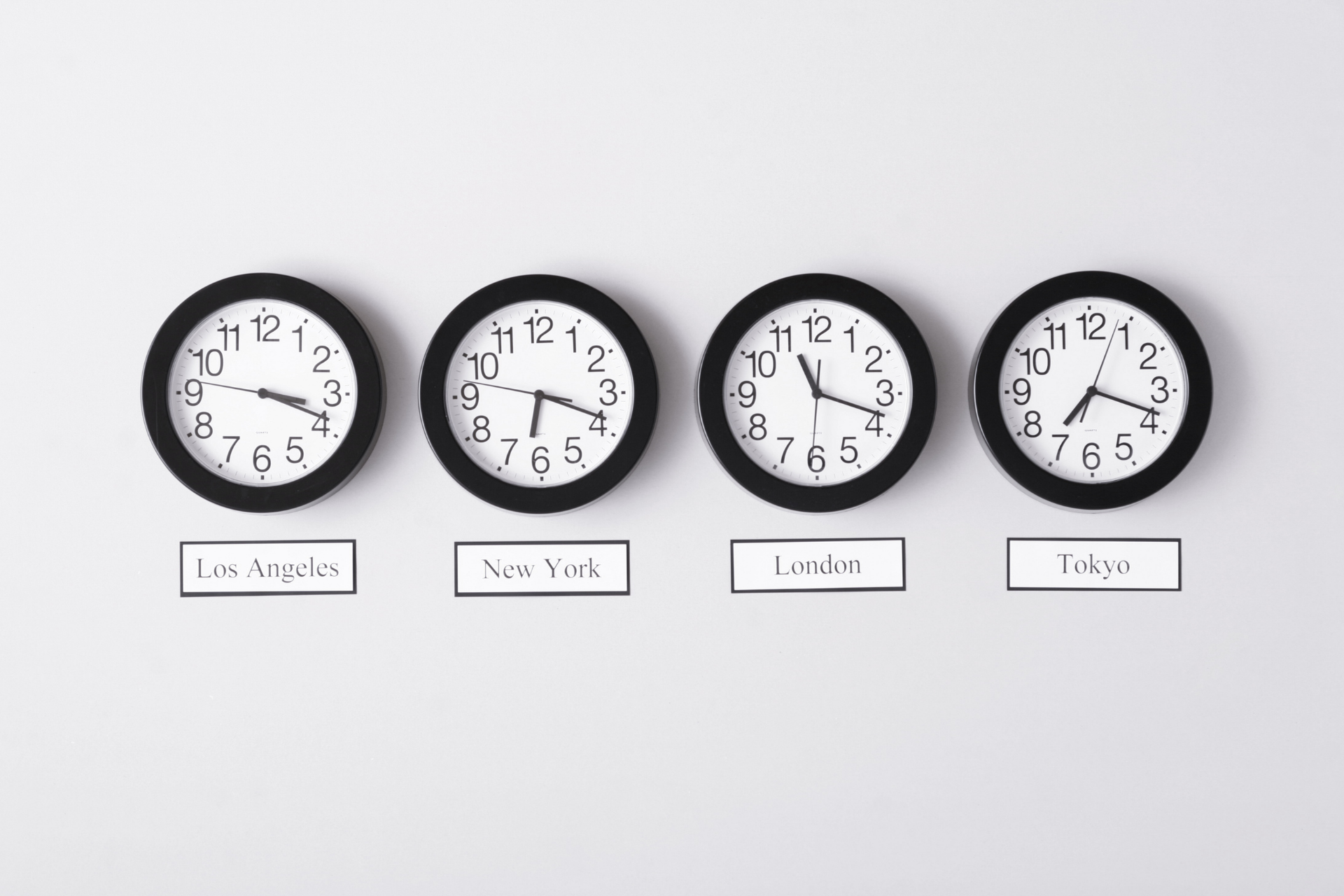
There’s a lot of excitement around heading out on a well-deserved holiday. But that first day or two after landing can feel like a foggy blur, especially if you’ve crossed a few time zones. Time zone fatigue, most often called jet lag, can sneak up on even the most seasoned travellers. One moment you’re ready to explore a new city, the next you're wide awake at 3am or falling asleep during lunch. It’s frustrating because holidays are short, and no one wants to spend them fighting sleep and dragging through the day.
This can be even more noticeable during a multi-centre holiday. Visiting several cities or countries within a single trip sounds like a dream, but constant flights and time shifts can throw your body’s rhythm completely off. Whether you’re heading on a cruise packed with port stops or flying between places, getting ahead of time zone fatigue can make the difference between tired sightseeing and truly soaking in each destination. Here are some tips to help you stay one step ahead and make the most of every stop on your itinerary.
Pre-Travel Preparations
How you prepare before departure can shape the entire start of your trip, especially when flying across several time zones. Making gradual adjustments to your routine a few days before you leave can help ease the transition.
- Start adjusting bedtime: If you’re flying east, go to bed and wake up a bit earlier. If heading west, shift both later. Doing this in small steps over a few days can help your internal clock catch up faster.
- Stay hydrated: Plane cabins dry you out quickly. Start drinking more water before your flight so you’re not catching up once you're in the sky. Dehydration can make jet lag symptoms worse.
- Cut back on caffeine and alcohol: These can mess with your sleep patterns. Try to cut them out the day before your flight. It's easier to fall asleep naturally without them lingering in your system.
- Pack items that help you rest: Travel pillows, cosy socks, noise-cancelling headphones, and eye masks can improve comfort levels. It’s no fun landing somewhere new and starting your day after poor sleep and a sore neck.
Think of this like stepping into cold water gradually. Taking small steps to shift your habits before leaving makes it easier for both your mind and body to get on track more quickly once you land.
During The Flight
Once your plane leaves the tarmac, your body’s internal clock is still set to the time zone you just left. But there are a few simple steps to help steer it toward where you’re going.
As soon as you board, change your watch or mobile to the local time at your destination. This mental shift can help your body start adjusting early, even if it doesn't feel natural just yet.
Long flights can take a toll, so it’s wise to keep moving. Get up for a stretch, walk the aisle, roll out your shoulders and ankles. Avoid staying still for too long—it helps your circulation and can keep your energy levels up.
If you’re landing in the morning or early afternoon, don’t sleep through the whole journey. Rest early in the flight, then stay awake nearer to landing. If you’re due to arrive in the evening, try to sleep during the second half of the flight so you can continue resting once you arrive.
What you eat matters too. Stick to light, balanced meals with protein and aim to avoid anything too heavy or high in sugar. If you're someone who always has coffee or fizzy drinks, opt for water or herbal tea instead. It’s easier on your system when you’re already adjusting.
These tips might not erase time zone fatigue completely, but they help ease the impact. You’ll land with a bit more control and a bit less foggy confusion.
On Arrival
The first few hours after landing play a big part in how quickly you’ll adapt. Simple habits can go a long way in helping your body get used to the new rhythm.
Spend time outdoors as soon as possible. Daylight sends a powerful signal to your body that it’s time to be awake. Even if you're tired, that natural light helps reset your internal clock far better than anything else.
It’s tempting to nap as soon as you arrive, especially if it’s daytime where you’ve come from. Try holding off until at least early evening. If you absolutely must rest, keep it short—20 to 30 minutes at most. Long naps might feel good in the moment but will make it harder to sleep later.
Your first meals can also influence how you feel. Choose light, energising foods such as grilled chicken, salad, rice, or fresh fruit. These are easier on your body than heavy or greasy meals that may leave you bloated or sluggish.
Plan gentle activities for your first day. Go for a short walk, have a bite at a local café, or explore a nearby neighbourhood without an ambitious checklist. An example many travellers love is arriving in Rome before lunch, then slowly wandering through Trastevere in the early afternoon. It’s relaxing and helps set the rhythm of the new location.
Try to avoid ticking off too much on your first day. Leave time for rest and let your inner clock catch up. That slower start often leads to better energy over the following days.
Staying Energised During Your Trip
Once you’ve adjusted to your first stop, the goal is to maintain that balance. This is especially useful for anyone on a multi-centre holiday, moving between several destinations and time zones.
Here are ways to keep your energy up as you travel:
- Stick to a steady sleep routine: Go to bed and wake up at the same time each day in the local time zone. Even small changes each night can throw you off balance.
- Keep drinking water: It’s easy to lose track of hydration when exploring. Carry a refillable bottle and sip throughout the day to avoid dips in energy.
- Eat well: Local food is great to try but keep an eye on your overall diet. High-energy snacks like nuts, fruit, and lean proteins help you feel good between meals and sightseeing.
- Keep moving: Most holidays involve walking, but if you’re sitting through long bus rides or cruises, stretch back at your hotel or book a gentle yoga session to stay loose.
- Listen to your body: Some days you just need an early night or to cut your plans in half. Don’t over-plan every moment if you feel like you need a break.
These tips help keep your energy steady so you can enjoy new places fully. From city rooftops to coastal trails, your time is better spent exploring rather than waiting for your energy to return.
Make Your Travel Smooth with Skylord Cruise & Holidays
Travelling across time zones can take more out of you than expected. But it doesn’t have to derail your plans. Whether it’s fine-tuning your sleep before you leave, stretching on the plane, or picking energy-boosting meals, these small choices make a big difference.
Skylord Cruise & Holidays knows how tricky time zone fatigue can be—especially if you're packing a lot into one trip. Our team takes your energy, comfort, and rest into account when planning your itinerary, especially with multi-centre holiday deals that involve several flights or cruises.
We help create holiday experiences where rest and adventure go hand in hand. From your first flight to your last port, everything is crafted to keep you feeling your best.
Round out your holiday plans by exploring fantastic opportunities with Skylord Cruise & Holidays. Whether you're planning your next trip across continents or cruising between exotic ports, our carefully crafted multi-centre holiday deals offer the perfect mix of flexibility and adventure. Customise your journey to suit your pace and make memories that last a lifetime.