
Best Time to Go Japan Guide for UK Travellers
Best Time to Go Japan Guide for UK Travellers
Did you know Japan stretches over 3,000 kilometres from north to south? This vast distance means the climate varies a lot. Your experience will change based on where you go and when.
Choosing the best time to go Japan means finding a balance. You want good weather, fewer crowds, and affordable holidays. Late spring and late autumn are usually the best times. They offer pleasant temperatures and clear skies.
These seasons miss the summer's heat and winter's cold in the north. Finding the ideal time to visit Japan helps you enjoy your trip more. It also helps you stay within your budget.
Key Takeaways
- Consider the 3,000-kilometre length when planning your itinerary.
- Late spring and late autumn provide the most stable weather conditions.
- Monitor seasonal events to avoid peak crowds and higher costs.
- Regional differences significantly impact local temperatures and rainfall.
- Organise your travel dates to align with your specific sightseeing priorities.
Introduction to Travelling to Japan
Knowing when to visit Japan is key for UK travellers. Japan spans many latitudes, so the ideal time to visit Japan varies. It depends on your travel plans and what you want to see.
Looking for cherry blossoms or winter snow? Your visit's timing is crucial. Good planning helps you enjoy your trip without overspending.
Overview of Japan's Climate
Japan has four seasons, each with its own charm. A Japan weather guide shows spring is mild, summer hot and humid, autumn cool, and winter cold with snow in the north.
So, your packing and plans must change with the seasons. Coastal areas are milder than the mountains, where temperatures can drop sharply.
Cultural Festivals and Events
Japan's calendar is packed with colourful festivals called matsuri. These events showcase local traditions and can affect your travel plans.
During big festivals, rooms and transport get booked fast. It's highly recommended to book early if you're visiting during these times. It's a great way to see Japan's culture, but be ready for the crowds.
Spring: Cherry Blossom Season
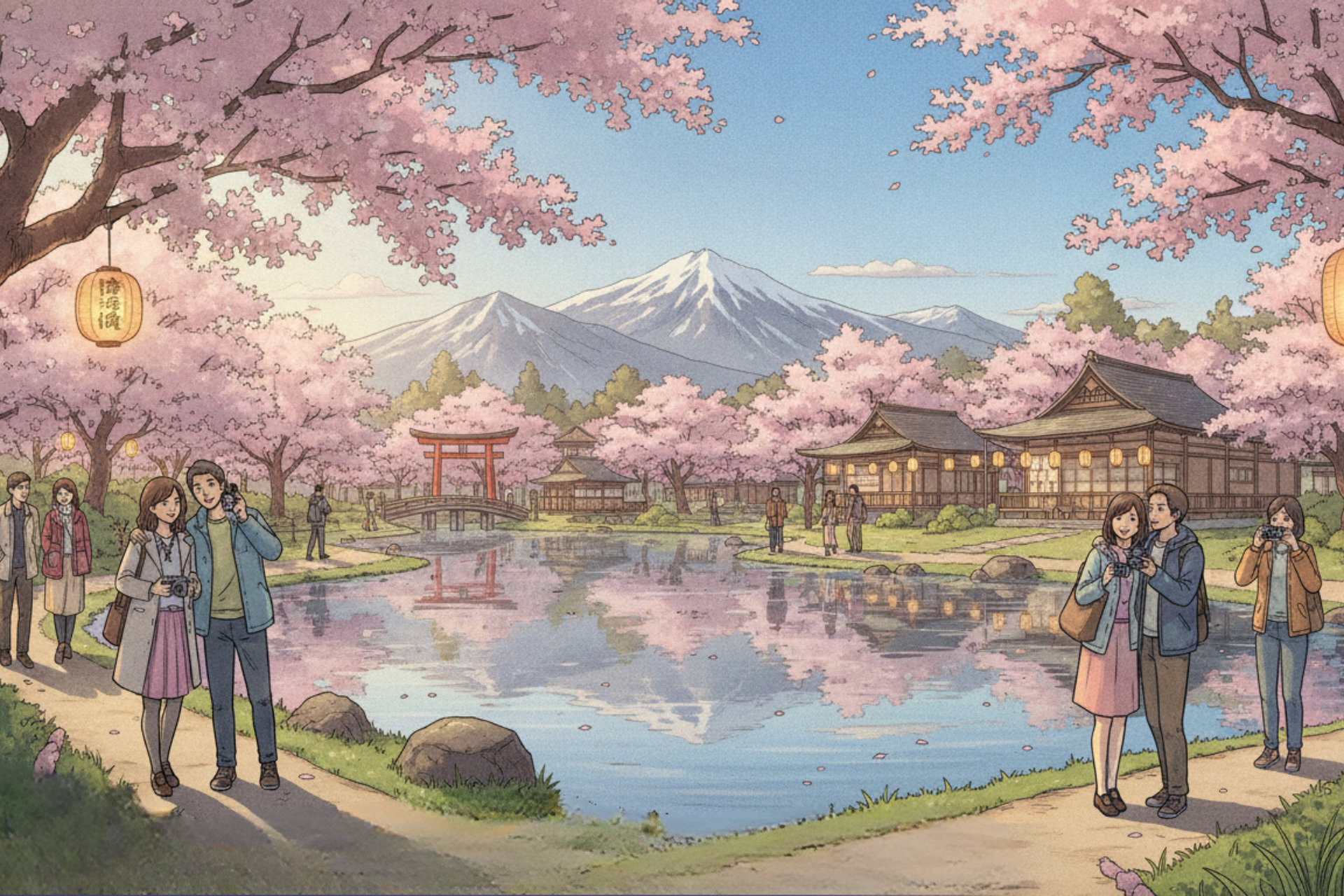
Many travellers think spring is the ideal time to visit Japan. The weather is mild, and the scenery is stunning. Cherry blossoms arrive, turning the landscape into a beautiful display of pink and white.
When to Visit for Hanami
The tradition of hanami, or flower viewing, is key in Japanese culture. Plan your trip to catch the blossoms, as they bloom at different times in different places.
In cities like Tokyo and Kyoto, blossoms bloom from late March to early April. Sapporo in the north blooms in early May. For more details, check when to travel to Japan for your trip.
Best Locations for Viewing Cherry Blossoms
Japan has many spots to see the sakura. You can find them in historic temples or modern parks. Some top places include:
- Ueno Park, Tokyo: Known for its wide paths and many cherry trees.
- Philosopher’s Path, Kyoto: A peaceful walkway by a canal, great for a quiet walk.
- Maruyama Park, Kyoto: Famous for its big weeping cherry tree, lit up at night.
- Nakajima Park, Sapporo: A good choice for those visiting later in spring.
Tips for Spring Travel
Spring is the peak season in Japan. Book your travel well in advance. It's best to book flights, hotels, and activities six months to a year before you go.
| Region | Typical Bloom Start | Peak Viewing |
|---|---|---|
| Southern Japan | Mid-March | Late March |
| Central Japan | Late March | Early April |
| Northern Japan | Late April | Early May |
Early planning helps avoid disappointment. Keep an eye on the weather forecast as the season starts. Bloom times can change slightly each year.
Summer: A Season of Vibrancy
Summer in Japan is hot and full of colour. The festivals are amazing, but the heat can be tough. Follow seasonal travel tips Japan to handle the humidity and rain.
Typical Weather Conditions
Summer in Japan is from June to August. It's very hot and humid. There's also a rainy season, tsuyu, in June and early July.
For cooler weather, visit Hokkaido. It's cooler than the rest of Japan in summer. Always drink water and plan outdoor activities for early morning or evening.
Festivals and Events in Summer
Summer is festival time in Japan. The Gion Matsuri in Kyoto is famous for its floats and street processions. Fireworks are also a big part of summer.
These festivals are very popular. Book your stay early. Wearing yukata is common at these events. It's a great way to see local culture.
Popular Destinations During Summer
Okinawa is great for beach lovers from June to October. It has beautiful beaches and snorkelling spots. For mountain lovers, Mount Fuji is open from early July to mid-September.
For hiking, many trails are open in summer. But, be ready for sudden weather changes. Whether you're at the beach or mountains, remember these seasonal travel tips Japan for a good trip.
| Activity Type | Recommended Region | Best Time | Key Advice |
|---|---|---|---|
| Beach Holidays | Okinawa | June - October | Use high SPF sunscreen |
| Mountain Hiking | Mount Fuji | July - Mid-September | Check weather forecasts |
| Cultural Festivals | Kyoto / Tokyo | July - August | Book transport early |
| Cooler Retreats | Hokkaido | July - August | Pack a light jacket |
Autumn: A Kaleidoscope of Colours
Autumn in Japan turns the landscape into a colourful tapestry. The summer heat fades, replaced by cool air and comfortable temperatures. This makes exploring cities a joy. For many, autumn is the best time to see Japan's beauty.
When to Experience Autumn Foliage
The autumn foliage starts in the north and high places in October. By November, the colours of deep red, burnt orange, and gold reach the central plains and cities. Travel experts say October and November are the best times to see this natural beauty.
"The changing leaves in Japan are not merely a seasonal shift; they are a cultural event that invites reflection and appreciation of nature's fleeting beauty."
Recommended Locations for Viewing Autumn Leaves
Kyoto is a top spot, with historic temples against a backdrop of fiery maple leaves. Tokyo and Osaka have beautiful parks and gardens that turn golden in autumn. For a rugged experience, the mountain regions and Hakone offer stunning views.
These places get crowded during peak foliage times. Planning your visit during the recommended months Japan travel helps you enjoy the best weather and views.
| Region | Peak Foliage | Key Highlight |
|---|---|---|
| Northern Japan | Mid-October | Mountain vistas |
| Central Japan | Mid-November | Temple gardens |
| Southern Japan | Late November | Coastal parks |
Activities and Festivals in Autumn
Autumn is a time of harvest and cultural celebrations in Japan. You'll find many local festivals, or matsuri, with traditional music, dance, and food stalls. These events offer a glimpse into local customs and are a highlight for visitors.
Winter: A Wonderland of Snow
Japan's winter is a time of quiet beauty. From December to February, the country changes dramatically. Temperatures drop, and snow covers everything.
Coastal cities have crisp days with light snow. But, the mountains get heavy snowfall. This makes winter special for visitors.
Weather Conditions in Winter
The weather changes a lot depending on where you are. Tokyo and Kyoto are cold but dry. This makes them great for sightseeing.
In Hokkaido and Honshu's mountains, winter is intense. These places are essential destinations for those who love deep snow and cold.
Skiing Destinations in Japan
Japan is famous for its snow, known as "Japow." If you love winter sports, check out these places:
- Niseko (Hokkaido): Known for its light, consistent powder snow and great resorts.
- Hakuba (Nagano): Host of the Winter Olympics, with challenging slopes and beautiful views.
- Yuzawa (Niigata): Easy to get to from Tokyo, perfect for quick trips.
Unique Winter Festivals to Experience
If skiing isn't your thing, there's still plenty to enjoy. Winter is a great time to see Japan's culture and relax. It's peaceful and perfect for exploring.
Here are some winter highlights:
- Sapporo Snow Festival: A huge event with amazing ice sculptures that light up the night.
- Onsen Retreats: Soaking in hot springs while snow falls is a unique Japanese experience.
- Winter Illuminations: Tokyo and other cities have stunning light displays that brighten the dark evenings.
Knowing about Japan's winter season helps plan your trip. Whether you want adventure on the slopes or quiet beauty, winter in Japan is unforgettable.
Regional Climate Variations
Japan's long shape leads to different weather patterns on its islands. This Japan weather guide shows the country's weather ranges from cold to hot. Knowing these differences helps you pack right for your trip.

Northern vs Southern Japan
Hokkaido in the north is colder than the rest of Japan most of the year. It gets heavy snow in winter, perfect for winter sports fans. On the other hand, Kyushu and Okinawa in the south are warmer and subtropical.
In Kyushu, autumn can be mild. But, southern areas like Kyushu face a higher risk of typhoons in August and September. Always check local forecasts if you're heading to these areas in late summer.
Coastal Areas vs Inland Regions
Coastal areas are usually more humid than inland regions. The sea breeze can cool temperatures but also brings more rain. Inland areas, near mountains, have more extreme weather changes.
Mountain regions have colder winters and hotter, drier summers than the coast. For example, Fukuoka shows how coastal weather affects local conditions from May to October. Think about these differences when choosing between a beach or mountain trip.
"The diversity of Japan's climate is its greatest asset, offering a unique experience for every type of traveller, provided they prepare for the regional shifts."
| Region | Summer Climate | Winter Climate | Key Weather Feature |
|---|---|---|---|
| Hokkaido | Mild and pleasant | Heavy, consistent snow | Subarctic conditions |
| Kyushu | Hot and humid | Mild and temperate | Typhoon risk (Aug-Sept) |
| Central Alps | Warm and dry | Cold and snowy | High altitude variation |
By using this Japan weather guide, you can plan your trip better. Whether you want tropical warmth or snowy peaks, planning ahead makes your journey smoother.
Festivities Throughout the Year
Japan's travel season changes with public holidays and local events. These times attract more tourists, affecting hotel prices and transport. Always check local event calendars to plan your trip without surprises.
Key Japanese Holidays
Japan's life rhythm is set by big holidays like New Year, Golden Week in May, and Obon in August. Major cities get crowded then, but small towns have lively festivals.
"To travel is to discover that everyone is wrong about other countries."
Book your stay early for these holidays. Knowing Japan's travel seasons helps you budget and plan better.
Local Customs and Celebrations
Joining in local customs deepens your cultural connection. Visiting temples or community events requires respect. Many ryokans offer cultural experiences to learn about traditions.
- Always remove your shoes when entering traditional inns or temple interiors.
- Maintain a quiet demeanour during religious ceremonies or shrine visits.
- Participate in local festivals by following the lead of community members.
Getting involved in these events gives you a special view of Japan. By respecting local customs, you have a great time and show respect for the community. Japan's travel seasons are about more than weather; they're about the rich tapestry of cultural life across the islands.
Best Months to Avoid Crowds
Traveling to Japan during the off-peak season can make your trip more enjoyable. You can avoid the crowds by planning your visit carefully. Knowing when it's busy and when it's not is key to a stress-free holiday.
Off-Peak Travel Considerations
Big cities like Tokyo, Kyoto, and Osaka get very crowded in spring. The peak season in Japan means high prices and long waits. Booking places to stay and eat can take months.
For a quieter trip, try visiting in winter or late autumn. These times are less busy. You can see famous temples and city streets without the crowds.
Benefits of Travelling During Quiet Periods
Traveling in the off-peak season has many benefits. You'll pay less for places to stay and have more choices. You can also change your plans easily, which is hard during busy times.
Seeing sights is more enjoyable without the crowds. You can take your time in Japanese gardens and historical sites. This way, your trip is all about discovery, not fighting for space.
| Feature | Peak Season | Off-Peak Season |
|---|---|---|
| Crowd Levels | Very High | Low to Moderate |
| Accommodation Costs | Premium Pricing | Budget-Friendly |
| Sightseeing | Requires Queuing | Easy Access |
| Planning Flexibility | Limited | High |
Budget Considerations for Each Season
Your holiday budget in Japan changes a lot depending on when you go. Prices for flights, hotels, and local activities vary with the season. Knowing these patterns helps you plan your trip without breaking the bank.

Travel Costs by Season
Prices are highest during peak times like cherry blossom season and Golden Week. These periods attract many tourists, making everything more expensive. But, visiting during the off-peak season can save you a lot of money.
Some places stay pricey all year, like ski resorts in winter. If you're visiting then, look into local prices to save.
Tips on Saving Money While Visiting
Planning ahead is key to a budget-friendly trip. Check out budget travel guides to help plan. Here are some tips to cut down on daily costs:
- Book your flights and accommodation early to get better deals before prices go up.
- Use regional rail passes for travel between cities to save money.
- Choose local bus networks for short trips, as they're cheaper than trains.
- Stick to fewer places on your itinerary to save on transport and enjoy more of each place.
Traveling off-peak lets you enjoy Japan at a slower pace and save money. Spend your budget on cultural experiences, not just getting from one place to another. Keep an eye on seasonal prices to get the best deals from the UK.
Food to Try in Different Seasons
Visiting Japan at the top travel times Japan offers is a food lover's dream. Japanese food is a UNESCO Intangible Cultural Heritage, showing deep respect for seasonal ingredients. Even local supermarkets offer fresh produce and vegan options for travellers.
Seasonal Specialties in Spring
Spring brings fresh ingredients to Japanese dishes. Look for takenoko, or bamboo shoots, which signal the season. Cafes also offer sakura-flavoured sweets and drinks during the cherry blossom period.
Wild mountain vegetables, or sansai, are a spring favourite. They're often served as tempura, offering a light and crispy texture that's perfect for spring.
Summer Delicacies to Savour
Summer in Japan means cooling food. Somen, thin wheat noodles served chilled, are a hit. Unagi, or grilled eel, is also popular for its refreshing taste during hot summer days.
Kakigori, finely shaved ice with flavoured syrups or condensed milk, is a refreshing dessert. It's a simple way to cool down during the top travel times Japan experiences in summer.
Autumn and Winter Comfort Food
Autumn brings hearty flavours with chestnuts, sweet potatoes, and mushrooms like matsutake. These ingredients are often used in steamed rice dishes, showcasing the season's earthy flavours.
Winter is for warming meals that bring people together. Nabe, or hot pot, is a communal dish cooked at your table. Oden, a stew of fish cakes, eggs, and daikon radish, is also popular in convenience stores during the top travel times Japan offers in winter.
What to Pack for Your Trip
Packing the right gear is key for a comfy trip across Japan's varied landscapes. Follow seasonal travel tips Japan to stay ready for weather changes. Whether you're in cities or rural areas, be prepared.
Essentials for Each Season
Japan's climate changes a lot, so you need a versatile wardrobe. In spring, wear layering clothes. A light jacket with breathable tops helps adjust to temperature changes.
Summer calls for light, moisture-wicking clothes to handle high humidity. Carry a small umbrella or waterproof jacket for sudden rain.
Winter in the north means different packing. Bring thermal base layers, a heavy coat, and warm accessories like gloves and scarves. This keeps you warm in cold weather.
"Preparation is the key to success in any travel endeavour, specially in Japan's diverse climates."
Compiling Your Travel Kit
Don't forget practical items for daily use. Comfortable walking shoes are a must for exploring on foot.
Have a universal travel adapter for charging devices. A small personal towel is also useful, as public restrooms may not have hand-drying facilities.
Wear conservative clothes when visiting traditional sites or shrines. This shows respect. For a detailed guide, check a reliable packing list for Japan.
Recommended Itineraries
Planning your trip to Japan well can make your holiday better. By choosing the recommended months Japan travel, you can enjoy the best of the weather and local events. Whether you're in Japan for a few days or weeks, picking the right time is key.
Short Trips for Every Season
For a quick visit, follow the "Golden Route" to Tokyo, Kyoto, and Osaka. Spring brings beautiful cherry blossoms, while autumn offers stunning foliage. Check general travel advice to plan your trip based on when you arrive.
For a winter getaway, visit Tokyo and Nagano for skiing. In summer, head to coastal spots or high-altitude places like Hakone to avoid the heat. These compact itineraries let you see Japan's best without feeling rushed.
Longer Stays with Seasonal Highlights
Longer trips let you explore Japan's varied climates. Start in the north in summer for cooler weather or go south to Kyushu for milder winters. This way, you can enjoy unique experiences like hiking.
If you love the outdoors, hiking Mt Fuji is best from July to mid-September. You can fit this into a two-week trip that also includes cultural visits in Kanazawa or Hiroshima. Use the table below to plan your multi-centre holiday.
| Season | Primary Focus | Recommended Destinations |
|---|---|---|
| Spring | Cherry Blossoms | Tokyo, Kyoto, Nara |
| Summer | Hiking & Festivals | Mt Fuji, Hokkaido, Osaka |
| Autumn | Foliage Viewing | Kyoto, Kanazawa, Nikko |
| Winter | Skiing & Onsen | Nagano, Hokkaido, Hakone |
Travel Tips for UK Tourists
Before you go, get to know Japan's transport and customs. Knowing these will help you enjoy the top travel times Japan offers. Being prepared makes your trip smooth and fun.
Navigating Japan’s Transport System
Japan has a vast and on-time rail network. The Shinkansen (bullet train) is key for long trips. Buying a regional rail pass is wise if you're seeing many places, as it's often cheaper than single tickets.
Local trains and buses are good but get busy at rush hour. Wear comfortable footwear for walking in big stations and changing trains. Keep your bags small to move easily in crowded areas.
Cultural Etiquette to Observe
It's key to respect local ways for a great trip. Keep quiet and avoid loud phone calls on public transport. This considerate behaviour is common everywhere.
At temples or ryokans, take off your shoes before going inside. Always have clean socks ready. Also, dress modestly at religious sites to show respect, no matter when you visit.
| Category | Recommendation | Benefit |
|---|---|---|
| Transport | Use Rail Passes | Cost-effective travel |
| Footwear | Wear trainers | Supports long walks |
| Etiquette | Stay quiet | Follows local norms |
| Temples | Remove shoes | Respects tradition |
Conclusion: Your Best Time to Visit Japan
Choosing the best time to visit Japan depends on what you value most. Do you want good weather, a budget-friendly trip, or fewer crowds? Spring and autumn are the best times to see Japan's famous sights. These seasons offer the perfect balance for visitors from the UK.
If you love winter sports, Hokkaido is the place to be. For those who prefer warmer weather, Okinawa is great from June to October. Visiting during the off-peak months can save you money and avoid the crowds.
Exploring beyond Tokyo and Kyoto can reveal Japan's true charm. Planning your trip to include different regions can make your journey more varied. Japan is one of the safest places to travel, so you can explore with confidence.
Check your travel dates against the seasonal patterns to have a smooth trip. Japan has something special for every visitor all year round. Start planning your next trip to see Japan's culture and landscapes for yourself.
What is the best time to go Japan for mild weather?
When does the peak season in Japan occur?
Are there any off-peak travel Japan periods for budget travellers?
Which are the recommended months Japan travel for seeing autumn leaves?
What should I consult in a Japan weather guide before packing?
What are your seasonal travel tips Japan for the rainy season?
How does Japan travel seasonality affect local transport?
What are the top travel times Japan for winter sports enthusiasts?
January and February are the best times for skiing and snowboarding. The "Japow" in Hokkaido and the Japan Alps in Nagano is at its best then.