
Iceland Holiday: Unlock the Wonders of the Nordic Island
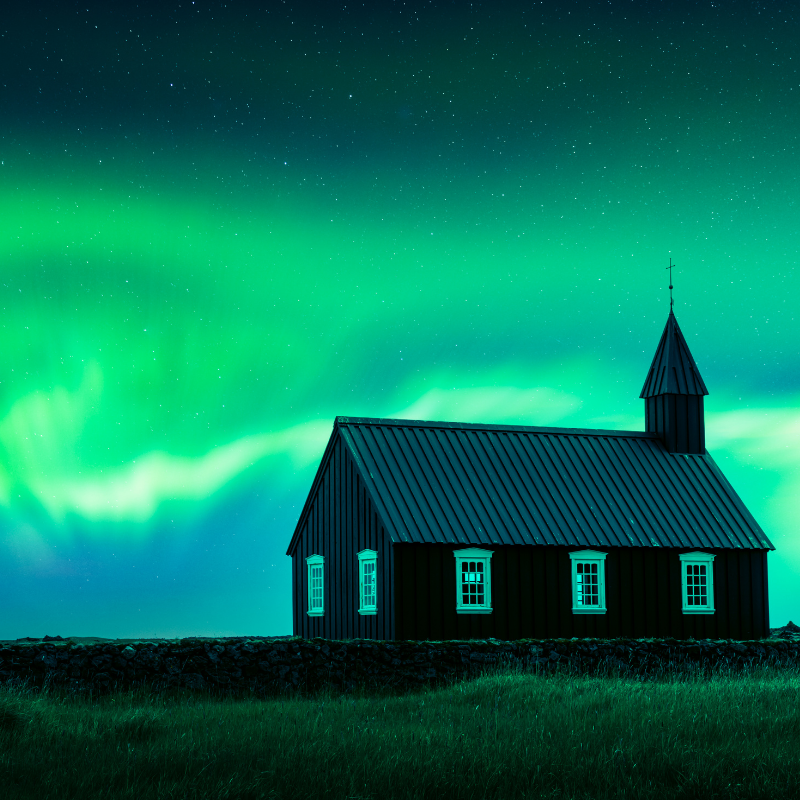
Iceland Holiday: Unlock the Wonders of the Nordic Island
Imagine walking through a land where fire and ice live together. The northern lights light up the night sky. The landscapes are both stunning and tough.
Did you know over 2 million tourists visit Iceland every year? They come for its special beauty and culture. When you travel Iceland, you'll see glaciers, volcanoes, and black sand beaches unlike any other place.
From Reykjavik tours' lively city to the quiet, untouched nature, an Iceland Holiday is unforgettable. This article will show you the magic of this Nordic island. It will help you discover the secrets of this unique travel spot.
Why Choose Iceland for Your Next Holiday?
Iceland is perfect for a holiday that has stunning landscapes, vibrant culture, and exciting adventures. It offers a unique experience for travellers with its natural beauty and cultural heritage.
Unique Natural Landscapes
Iceland is famous for its breathtaking landscapes. You'll see glaciers, waterfalls, and black sand beaches. Its geology, shaped by volcanoes and glaciers, makes it unlike anywhere else.
|
Attraction |
Location |
Description |
|
Jokulsarlon Glacier Lagoon |
Southeast Iceland |
A stunning glacial lake filled with floating icebergs |
|
Gullfoss Waterfall |
Southwest Iceland |
A picturesque waterfall known for its cascading waters |
|
Vatnajokull National Park |
Southeast Iceland |
Europe's largest national park, covering over 13% of Iceland's landmass |
Rich Cultural Heritage
Iceland's culture is as captivating as its landscapes. You can learn about its history and culture by visiting museums, attending Icelandic festivals, or taking a cooking class.
Reykjavik, the capital, is full of cultural spots. You'll find the National Museum of Iceland and the Reykjavik Art Museum there.
Adventure Opportunities
Iceland is a paradise for adventure lovers. You can go hiking and glacier hiking, whale watching, or snorkelling in Silfra Fissure. Its diverse landscapes offer endless exploration and adventure.
Whether you want a relaxing holiday or an action-packed trip, Iceland has it all. With its unique landscapes, rich culture, and exciting activities, it's the perfect place for your next holiday.
Best Time to Visit Iceland
Iceland welcomes visitors all year round. The ideal time to visit depends on what you're looking for. Whether it's the midnight sun, the Northern Lights, or outdoor adventures, knowing the seasons helps plan your trip.
Summer Adventures
Summer is the busiest time in Iceland, with days lasting up to 24 hours. It's perfect for hiking and exploring the vast landscapes. The weather is warm, making it easy to see glaciers and waterfalls.
Winter Magic
Winter turns Iceland into a magical place, with the Northern Lights being a big attraction. It's the best time to see this natural wonder. You can also enjoy ice caving and snowmobiling on glaciers during winter.
Shoulder Seasons
The shoulder seasons, spring and autumn, offer a mix of summer and winter. These times have fewer tourists, making it easier to visit popular spots. The weather is unpredictable, but the landscapes are stunning, with spring's new life and autumn's colours.
|
Season |
Activities |
Weather |
|
Summer |
Hiking, exploring, glacier hiking |
Mild, long days |
|
Winter |
Northern Lights, ice caving, snowmobiling |
Cold, short days |
|
Shoulder Seasons |
Balanced experience, fewer tourists |
Unpredictable, mild to cold |
Think about what you want to do and see. Then, pick the best time to visit Iceland for you.
Must-See Attractions in Iceland
Iceland is full of wonders, from geothermal spas to massive glaciers. Every adventurer will find something special here. You'll see attractions that will amaze you.
The Blue Lagoon Experience
The Blue Lagoon is famous for its blue waters and healing powers. It's set in a beautiful lava field. Here, you can enjoy treatments like silica mud masks and in-vivo treatments.
Golden Circle Tour Highlights
The Golden Circle is a must-see day tour. It covers about 230 miles to three key spots: Þingvellir National Park, Geysir, and Gullfoss. At Þingvellir, you can see the tectonic plates of North America and Europe. Strokkur geyser erupts every few minutes at Geysir. Gullfoss is a stunning waterfall that drops 32 metres.
Glacier and Waterfall Wonders
Iceland boasts Europe's largest glacier, Vatnajökull, and Jökulsárlón, known for its floating icebergs. You can go on a glacier hike or boat tour to see these wonders. Don't miss waterfalls like Skógafoss and Seljalandsfoss for their beautiful views and the chance to walk behind the falls.
Icelandic Cuisine You Must Try
As you start your Icelandic adventure, you'll find a food scene unlike any other. It's a mix of old and new, shaped by the country's tough climate and land.
Traditional Dishes to Savour
Iceland's traditional food focuses on fresh, local items like seafood, lamb, and dairy. You must try fermented shark for its bold taste and texture. Other must-haves include hákarl (cured lamb's head), þorramatur (cured meats and cheeses), and skyr (a yogurt-like treat).
|
Traditional Dish |
Description |
|
Fermented Shark |
A traditional Icelandic dish known for its strong flavor and unique texture. |
|
Hákarl |
Cured lamb's head, often served as a cube or a slice. |
|
Þorramatur |
A selection of cured meats and cheeses, typically served during the Þorrablót festival. |
Popular Icelandic Restaurants
In Iceland, you'll find many restaurants, from traditional to modern. Dill in Reykjavik is famous for lamb dishes. Fish Company is great for fresh seafood. For something different, Hornið offers both old and new Icelandic flavours.
Seafood and Dairy Delicacies
Iceland is famous for its seafood, like cod, haddock, and lobster. Don't miss trying skyr, a favourite dairy product. For a real Icelandic taste, try langoustines or grilled salmon at a seafood spot.
Exploring Icelandic food is key to your adventure. It's a chance to taste the country's culture and traditions. Whether you go for traditional dishes or modern eats, your food journey in Iceland will be unforgettable.
Accommodation Options in Iceland
Iceland's accommodation scene is as varied as its landscapes, offering something for everyone. Whether you're looking for luxury, coziness, or a unique experience, you'll find it here.
When it comes to accommodation in Iceland, you have a wide range of choices. You can opt for luxury hotels and resorts that offer high-end amenities and services. Many of these establishments are located in Reykjavik, making it easy to explore the city's cultural attractions as part of your Iceland vacation packages.
Luxury Hotels and Resorts
Luxury hotels in Iceland provide top-notch comfort and service. They often feature spas, fine dining restaurants, and other amenities that make your stay truly special. Some popular luxury hotels include the Deplar Farm and Hotel Ranga, known for their exceptional service and comfortable rooms.
These luxury establishments often offer more than just a place to stay; they provide an experience. Many have spas that offer traditional Icelandic treatments, such as massages using locally-sourced products.
Cozy Guesthouses
For a more homely experience, consider staying at one of Iceland's many cozy guesthouses. These are often family-run and offer a warm welcome. You'll find guesthouses in both urban and rural areas, giving you the flexibility to choose where you stay based on your travel plans, including Reykjavik tours.
Cozy guesthouses are an excellent way to experience Icelandic hospitality. Many offer home-cooked meals and personalised recommendations for exploring the local area.
When booking your accommodation in Iceland, consider what's included. Some places offer extras like breakfast or guided tours, which can enhance your overall experience. Don't forget another good way to see Iceland is on a cruise where you stay onboard and visit different cities by day.
Icelandic Activities for Every Adventurer
Iceland is a place of wonder, with landscapes that take your breath away and a culture that's full of life. You can hike through stunning natural beauty, see majestic whales, or explore glaciers. There's something for every adventurer in Iceland.
Hiking and Nature Walks
Iceland is a dream destination for hikers. It has trails for all levels, from easy walks to tough climbs. You can explore Landmannalaugar, known for its colourful mountains and hot springs, or hike on Vatnajökull, Europe's biggest glacier.
Whale Watching Tours
Whale watching in Iceland's waters is an exciting experience. You can join a guided tour from Akureyri or Reykjavik to see orcas, humpback whales, and more. It's a great way to connect with nature and see Iceland's beautiful coast.
Snowmobiling on Glaciers
Snowmobiling on Iceland's glaciers is an exhilarating activity. You can ride across Vatnajökull or explore Langjökull and Myrdalsjokull. It gives you a unique view of Iceland's glacial landscapes.
|
Activity |
Location |
Level of Difficulty |
|
Hiking |
Landmannalaugar, Vatnajökull |
Moderate to Challenging |
|
Whale Watching |
Akureyri, Reykjavik |
Easy |
|
Snowmobiling |
Vatnajökull, Langjökull |
Challenging |
Iceland offers a wide range of activities for every adventurer. Whether you want a calm nature walk or an exciting snowmobiling trip, Iceland's landscapes and culture make for an unforgettable holiday.
Exploring Reykjavik: The Capital City
Reykjavik is a city full of history and culture. It offers a mix of old and new experiences. As Iceland's capital, it's a key place to visit. Reykjavik's cultural scene is vibrant. You can see many museums and cultural sites. These attractions show the city's rich history and heritage.
Cultural Sites and Museums
Reykjavik has many cultural sites and museums. Here are some top ones:
- The National Museum of Iceland, which gives a deep look at the country's history and culture.
- The Reykjavik Art Museum, with a wide range of Icelandic art.
- The Hallgrimskirkja church, a striking landmark with great views of the city.
|
Cultural Site |
Description |
Opening Hours |
|
National Museum of Iceland |
Explore Iceland's history and culture |
10am-5pm |
|
Reykjavik Art Museum |
Discover Icelandic art |
10am-5pm |
|
Hallgrimskirkja Church |
Panoramic views of Reykjavik |
9am-5pm |
Nightlife and Entertainment
Reykjavik is famous for its lively nightlife. There are many bars, clubs, and live music venues. Some popular spots include:
- The Laugavegur shopping street, which comes alive at night.
- The Harpa concert hall, with various performances and events.
Shopping and Local Markets
Reykjavik offers a unique shopping experience. You'll find high-end boutiques, local markets, and specialty stores. There's everything from Icelandic wool to unique
souvenirs.
Some top shopping spots are:
- The Kolaportid Flea Market, for vintage items and local goods.
- The Harpa shopping area, with luxury and specialty stores.
Reykjavik has something for everyone. Whether you're into culture, nightlife, or shopping, it's a great place to visit. Make sure to include these attractions in your Reykjavik tours and travel Iceland plans.
How to Get Around on an Iceland Holiday
To enjoy your trip to Iceland, picking the right way to travel is key. The country's vast and varied landscapes need a good travel plan. This way, you can see all the natural wonders it has to offer.
Renting a Car vs. Tours
Renting a car lets you explore Iceland at your own speed. With a 4x4, you can reach many remote spots and see stunning views. Guided tours, on the other hand, offer a stress-free trip. You get to learn about Iceland's history, culture, and geology from experts.
If you like to go at your own pace and see off-the-beaten-path places, rent a car. But, if you want a laid-back trip with expert knowledge, a guided tour is better.
Public Transportation Options
Iceland has a good public transport system, with buses and coaches linking major towns and tourist spots. The Strætó bus service is a favourite among travellers, covering a lot of the country.
Public transport is a good choice if you're on a tight budget or don't want to drive. But, services can be scarce in rural areas, so planning is important.
Best Scenic Routes
Iceland is famous for its stunning routes, with the Ring Road being the most famous. It takes you through different landscapes, from black sand beaches to glacial rivers.
The Ring Road is a must-do when visiting Iceland, giving you access to many natural wonders. Other routes, like the Diamond Beach and the Westfjords, also offer amazing views and unique experiences.
Choosing the right way to travel makes your trip to Iceland unforgettable and fun.
Planning Your Iceland Holiday Budget
To enjoy your Iceland holiday, knowing the costs is key. Iceland can be pricey, but with planning, you can save. This way, you can have a great trip without spending too much.
Your budget will depend on when you go, where you stay, and what you do. Knowing these costs helps you plan better.
Average Costs for Travel
The cost of a trip to Iceland changes based on how you travel. Things like where you stay, eat, and what you do cost money. On average, you might spend £150-£250 a day, depending on your choices.
|
Expense |
Average Cost (£) |
Notes |
|
Accommodation (per night) |
80-150 |
Prices vary based on location and type |
|
Meal |
15-30 |
Eating out can be expensive; consider self-catering |
|
Activity (e.g., glacier hiking) |
80-120 |
Prices vary based on the activity and tour operator |
Tips for Saving Money
To save on your Iceland trip, visit in the shoulder season (April-May or September-October). Prices are lower, and the weather is still nice. Booking early can also save you money.
Self-catering is another cost-cutting tip. Many places offer kitchens, so you can cook some meals instead of eating out all the time.
Seasonal Price Variations
Iceland's tourist season affects prices, with peak season (June-August) being the most expensive. Visiting off-season (usually November-March) can save you money, as many places offer discounts.
Knowing these seasonal changes helps plan a budget-friendly trip. Whether you want a summer adventure or a winter wonderland, there's a time that fits your budget.
Safety Tips for Travellers in Iceland
Planning your trip to Iceland? Knowing the safety tips is key for a great journey. Iceland is safe, but it has its own challenges.
Weather Considerations
Iceland's weather is very changeable. Weather can change quickly, with sunshine, rain, and snow all in a short time. Always check the weather forecast before you go out. Be ready for sudden weather changes.
In winter, days are short and roads icy. Make sure your car has winter tires. If you're going off the beaten path, consider a 4x4. In summer, watch out for snow blindness from the sun's reflection.
Wildlife and Nature Safety
Iceland has many animals like puffins, arctic foxes, and whales. Seeing them is exciting, but keep a safe distance. Never approach or feed wild animals to protect both you and them.
When hiking, stay on marked trails and follow local advice. Some places are closed for safety or to protect the environment. Always respect these rules.
Emergency Contacts to Note For Your Iceland Holiday
Know who to call in an emergency. The Icelandic emergency number is 112. Use it for accidents, natural disasters, or any life-threatening situation.
|
Service |
Contact Number |
|
Emergency Services |
112 |
|
Tourist Information |
+354 535 5500 |
|
Weather Forecast |
+354 902 0600 |
Before you go, register with your country's travel advisory. This way, you'll get important safety updates about Iceland.
Cultural Etiquette and Tips
Starting your Icelandic adventure means diving into the local culture. Icelanders are very welcoming. But, knowing their customs and traditions can make your time there even better.
Understanding Local Customs
Iceland's culture is rich, thanks to its Viking roots and strong social values. Being on time is key, as punctuality is highly valued. Also, the phrase "þetta reddast" or "it will all work out" shows their relaxed outlook on life.
Language and Communication Tips
Most Icelanders speak great English, but learning some Icelandic can show respect. Saying "Halló" (hello), "Takk" (thank you), and "Já" (yes) is appreciated. On Reykjavik tours, you might hear some Icelandic slang, which can be fun.
Tipping Practices
Tipping in Iceland is not required but is seen as a nice gesture. In restaurants, leaving a bit extra or 10% is polite. For tour guides and drivers, a small tip for great service is a kind thing to do. Some places might already have a service charge, so always check your bill.
Being aware of these cultural tips can make your time in Iceland more enjoyable. You'll also make connections with the locals.
Conclusion: Your Iceland Adventure Awaits!
Planning your Iceland holiday is exciting. You'll be drawn to its unique landscapes, rich culture, and adventure. Iceland offers breathtaking beauty for everyone.
Planning Your Trip
Think about when to visit. Summer is great for hiking, while winter offers magical Northern Lights. Booking early can make your trip better.
Explore Beyond the Guide
Don't just visit famous spots like the Blue Lagoon. Explore hidden gems too. Iceland's charm is in its lesser-known places and friendly people.
FAQ
What is the best time to visit Iceland?
The best time to visit Iceland depends on what you like. Summer (June to August) is great for hiking and exploring. Winter (December to February) is best for seeing the Northern Lights.
What are the must-see attractions in Iceland?
Top attractions in Iceland include the Blue Lagoon and the Golden Circle. You should also see glaciers like Vatnajökull and waterfalls like Gullfoss and Skógafoss.
What kind of activities can I do in Iceland?
Iceland has lots of activities. You can hike, whale watch, or snowmobile on glaciers. Exploring the unique landscapes is also a must.
What is Icelandic cuisine like?
Icelandic food is all about seafood, lamb, and dairy. Try fermented shark and Skyr, a yoghurt-like dish, for a real taste of Iceland.
How do I get around Iceland?
Getting around Iceland is easy. You can rent a car, join a guided tour, or use public transport. It depends on your budget and what you prefer.
What are the accommodation options in Iceland?
Iceland has many places to stay. You can choose from luxury hotels, cozy guesthouses, or unique Airbnb stays. There's something for every budget and taste.
Is it safe to travel in Iceland?
Yes, Iceland is safe for tourists. But, always check the weather, watch out for wildlife, and follow nature safety tips to have a great trip.
What is the average cost of a trip to Iceland?
The cost of a trip to Iceland varies. It depends on when you go, where you stay, and what you do. Budget about £150-£250 per day.
Do I need to tip in Iceland?
Tipping in Iceland is not required. But, leaving 10% in restaurants and bars is seen as polite.
What are some essential items to pack for an Iceland holiday?
Pack waterproof clothes, sturdy hiking boots, and layers for the weather. These are key for a comfortable trip to Iceland.
Can I see the Northern Lights in Iceland?
Yes, Iceland is a top spot for seeing the Northern Lights. The best time is from September to April, during the winter.