
Island Hopping in Croatia: An Unforgettable Experience
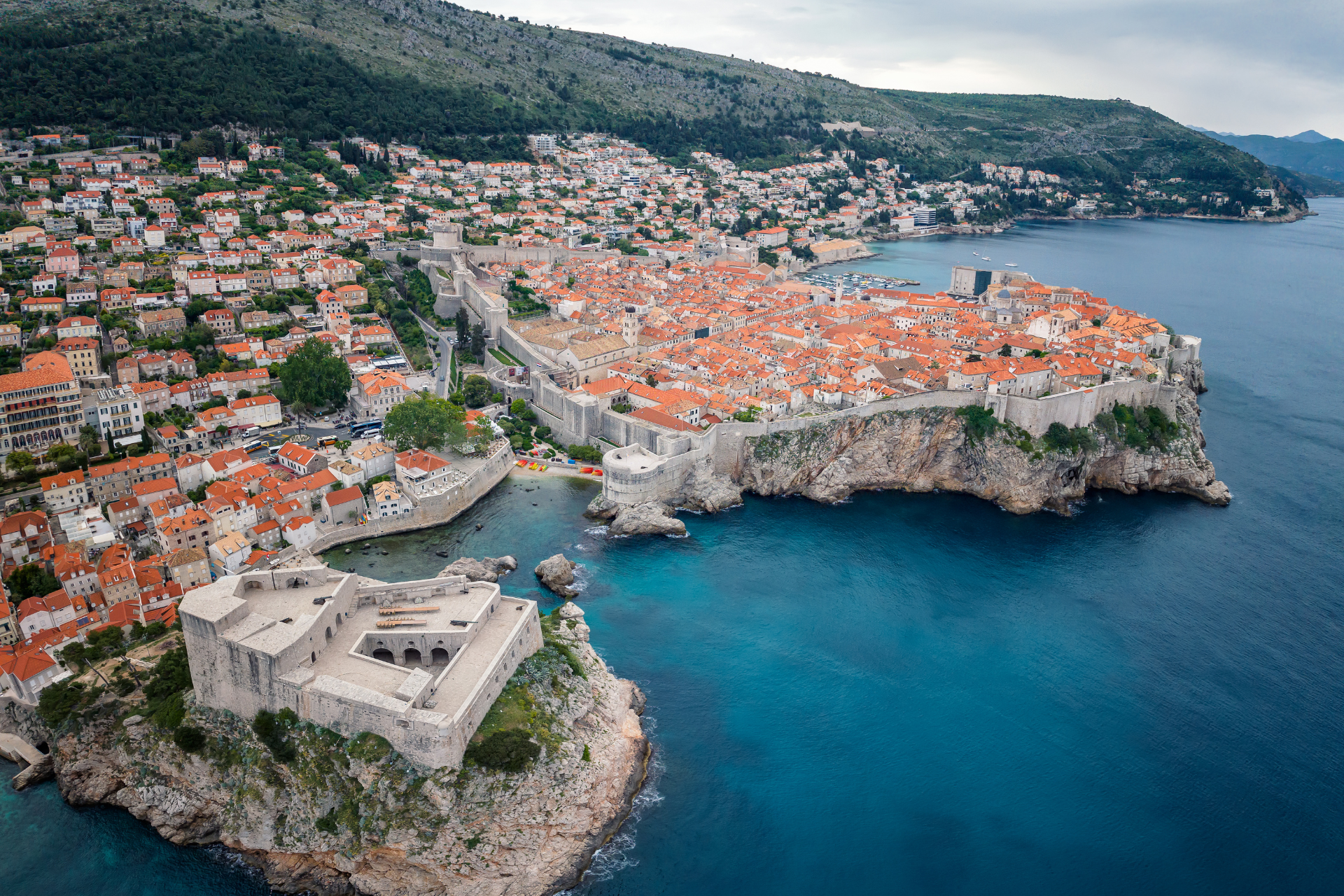
Island Hopping in Croatia: An Unforgettable Experience
Can a single voyage truly capture centuries of coast, cuisine and calm?
The UK traveller seeking deluxe multi-destination travel will find this guide practical and measured. It frames a premium approach to exploring the archipelago along the Adriatic, where reliable logistics and smarter timings matter as much as scenery.
Expect a long-form, step-by-step companion that balances independent discovery with organised, high-comfort options. The focus is on quality, slower pacing, curated dining in konoba eateries, and historic harbours rather than a rush of short stops.

Readers can quickly decide between the two main route families, the southern Dalmatian chain or the northern Kvarner Gulf, and use ready-to-go itineraries, ferry and yacht tips, plus seasonal scheduling notes to protect the overall trip.
Key Takeaways
- Designed for UK travellers seeking deluxe, dependable multi-stop travel.
- Prioritise fewer nights per destination, two to three yields a calmer experience.
- Choose between Dalmatian routes or the Kvarner Gulf to suit pace and interests.
- “Luxury” means better timing, higher comfort and smarter connections.
- Article includes best times to go, transport options and two ready itineraries.
Why Croatia is made for island hopping on the Adriatic coast
Where short sails meet rich coastal culture, the Adriatic invites a relaxed, luxury-paced voyage. The geography suits curated travel, short sea crossings and frequent links mean more time ashore and less time transferring.
Over 1,200 islands and islets form a dense network of unique signatures. One place offers medieval old towns and vineyards; another has wild beaches, pine forests or spa-style harbours. This variety helps travellers match destinations to mood and taste.
Choose a region by pace:
- Dalmatian south - classic circuit: Split, Brač, Hvar, Korčula, Mljet and Dubrovnik. Suits those seeking nightlife, historic ports and lively harbours.
- Kvarner Gulf - Krk, Cres, Lošinj, Pag and Rab. Quieter, greener and slightly less trodden; ideal for nature, wellness and slower days.
"Arriving by water, pausing to swim and stepping ashore for coffee sets the tone. Split Dubrovnik and major cities add a special touch to island hops."
The sea defines the experience: harbour promenades, sudden swimming stops and evenings in konoba dining rooms feel effortlessly premium. The most luxurious strategy is to curate fewer stops and stay longer—less packing, less queuing, more time savouring beaches, culture and fine local food.
When to go: the best time for beaches, culture and smoother ferry timetables
A well-timed voyage balances pleasant sea temperatures with dependable transport schedules.

Summer energy and crowds
July brings high energy and full timetables. Catamarans and popular ferry routes often sell out.
Avoid August if the goal is quiet luxury, Croatian domestic holidays push prices up and availability down.
Shoulder season sweet spots
May–June and September–October offer the best compromise for warm water and fewer crowds.
Jadrolinija and Krilo ramp up service in May and June, improving connections and on‑time routes.
Off-season realities
Winter sees reduced sailings, many closures and frequent strong winds. This suits only flexible travellers. A lot of tour suppliers do not operate in the winter.
Festivals to build around
- Za Križen (Hvar) — Easter processions.
- Korčula Sword Dance — June–September cultural anchor.
- Hideout (Pag) — July music event with high energy.
- Brač Film Festival — August screenings and local flavour.
"Plan buffers between connections and check timetables early."
Quick checklist: verify seasonal schedules, avoid tight same‑day hops and prioritise beach days or gastronomy by month.
Where to start from: Split, Dubrovnik, Zadar, Rijeka and Šibenik
Choosing the right departure city sets the tone for a seamless, upscale sea itinerary.
Split is the most versatile base. As the Adriatic’s largest ferry port it offers frequent services to Šolta, Hvar, Brač, Korčula and Vis. Travellers with limited days will find time‑smart connections and direct links that reduce transfers.
From Dubrovnik: Gruž harbour logistics
Gruž sits about three miles west of the Old Town. Jadrolinija, Krilo and TP Line operate departures to Mljet, Korčula, Lastovo and Hvar. This is the best place for a dramatic sea arrival and for those who prioritise Mljet and a southern finale.
Zadar and Šibenik: north Dalmatia access
Zadar serves as a base for quieter places and excursion boats to Telašćica Bay and the Kornati. Šibenik provides short links to Zlarin and Prvić, ideal for day trips and calm harbours. Point to point island hopping available here.
Rijeka: gateway to the Kvarner Gulf
Rijeka connects to Cres, Lošinj, Krk, Rab and Pag, perfect for a greener, less crowded itinerary.
"Start where connections are strongest to reduce transfers, missed sailings and luggage friction."
- Book popular routes and accommodation early, lock tickets in high season.
- Choose the city that best matches flight access and the style of trip: classic south loop or quieter northern cluster.
Island Hopping in Croatia: how to get around by ferry, catamaran, bus, car and yacht
For discerning travellers, transport choices balance speed, comfort and time ashore.
Public ferries and catamarans: Jadrolinija provides broad coverage and operates most car ferries and longer daytime routes. Krilo Jet focuses on fast passenger catamarans for time‑pressed transfers. TP Line serves Dubrovnik‑area hops. Onboard expect standard seating and, on longer crossings, a simple buffet with drinks and snacks. Pack water and light food for premium convenience.

Car ferries vs passenger-only services
Bring a car when remote beaches and rural villages are priorities—car ferries keep flexibility for self-drive days.
A vehicle becomes a burden in cramped harbours and parking-limited towns. Passenger-only catamarans save time and are easier to book in high season.
Using buses for non-drivers
Island and mainland buses link ports to towns, airports and key sights. Timetables can shift with ferry arrivals—always check schedules.
A bus is a cost‑effective way to get around between port and settlement if you prefer not to rent a car.
Luxury options, flights and small-ship comfort
Private yacht charter and small-ship cruises convert logistics into leisure—skippered charters and motorsailer tours remove connection risk and maximise bay time.
Flights between Zagreb, Split, Zadar and Dubrovnik save travel days but do not replace most sea links. Seaplane services are no longer available.
"Reserve peak-season catamarans early and build buffers on changeover days."
| Mode | Best use | Operator / note | Onboard expectations |
|---|---|---|---|
| Car ferry | Bring car for remote beaches & flexibility | Jadrolinija — wide network | Vehicle lanes, basic seating, longer crossings may have buffet |
| Passenger catamaran | Fast transfers between towns | Krilo Jet — fast services | Comfortable seating, limited food; book early in summer |
| Bus | Port-to-town links; non-drivers | Local island & mainland services | Timetabled connections; check against ferry arrival |
| Private yacht / small ship | Effortless logistics and luxury touring | Charter companies & agents | All-inclusive option, skipper fees extra |
Premium booking approach: secure ferries and catamarans early for summer, avoid relying on the last sailing of the day, and allow buffer days between connections.
The classic Split-Dubrovnik island circuit: routes, timings and best stops
For first-time visitors the Split–Dubrovnik loop offers reliable connections and plenty of premium dining and hotel choices.
Split to Brač: Supetar or Bol
Split → Supetar is the frequent, time‑efficient option, about 50 minutes by ferry and ideal when hotel access is the priority.
Split → Bol (c. 1h 10m) suits those aiming straight for Zlatni Rat beach and sunbathing days. Choose Bol if beaches matter more than proximity to town services.
Linking Brač to Hvar
From Bol take the short Bol → Jelsa connection (≈25 minutes) and then continue to Stari Grad or Hvar Town. This cross‑island sequence keeps transfers compact.
Tip: spend two nights on Brač or Hvar Town to enjoy premium dining without rushing.
Hvar to Korčula: two arrival choices
Fast catamarans serve Hvar Town → Korčula Town (c. 1h 25m) though sailings are limited. Alternatively, Hvar → Vela Luka (≈1h) drops you on the west side for quieter bays and different access to Korčula.
Korčula to Dubrovnik: routes and detours
Direct catamarans link Korčula to Dubrovnik when seasonal schedules allow. An Mljet stop adds national‑park swimming and cycling. In the summer the journey is generally calm with the country experiencing long days of sunshine.
For flexibility, the Pelješac overland route pairs a short ferry with scenic driving and reduced risk of missed late sailings.
"Aim for two to three nights per stop; limited daily catamarans require early booking to avoid late‑day connection risk."
- Best stops: Split (1–2 nights), Brač (2 nights), Hvar Town (2–3 nights), Korčula (2 nights), Dubrovnik (2–3 nights).
- Timing caution: book ferries and catamarans early in summer; avoid relying on the last sail of the day.
Luxury seven-day itinerary inspiration using ferries and local routes
A compact, deluxe week that blends reliable links with calm shore time.
Day 1 — Split to Makarska: A quick coastal bus transfer (≈1.5 hours) places guests close to strong beaches and lively evening options. This is a simple, time‑efficient start that avoids complex transfers.
Day 2 — Makarska to Stari Grad: Take the scheduled crossing (≈2.5 hours) to Stari Grad. Use this passage to slow the pace and enjoy heritage streets and quieter bays—an ideal base for refined relaxation.
Stari Grad to Hvar Town
Short internal transfers (bus ≈30 minutes or taxi ≈15 minutes) link Stari Grad with Hvar Town.
Evening dining, rooftop bars and the fortress view make Hvar Town the luxury night‑time choice for day 3.
Hvar Town to Vis
Fast passenger services (≈55 minutes) bring travellers to Vis — remote, understated and exclusive. This is the island hop that rewards those who prefer authenticity over crowds.
Vis to Korčula
Direct public options are limited. For day 5, plan a private water taxi or a routed connection via another port. Upgrading to a private boat preserves time and comfort.
Korčula to Mljet
Short daytime sailings (≈45 minutes) deliver guests to Mljet. Spend day 6 exploring the national park — saltwater lakes, cycling and kayaking offer a calm, nature-led experience.
Mljet to Dubrovnik
Finish with the scenic approach to Dubrovnik (≈1.5 hours). The final sea arrival provides a memorable close and room for an optional city extension.
"Allow one or two private transfers where schedules are sparse — upgrades turn logistics into leisure."
Luxury pacing note: Standard services work well for most connections. Reserve private boats for limited‑link legs (Vis→Korčula) and for guests who prize punctuality and privacy.
Unmissable destinations and experiences across Croatia’s islands
Pick experiences by mood, vibrant evenings, serene nature or heritage streets, and plan stays accordingly.
Curate by type: nightlife, heritage, nature, food and wine. This helps prioritise which stops merit longer stays. Island hopping Croatia gives you the perfect opportunity to experience the Croatian coast and a wide selection if Croatia islands to visit.
Hvar Town and Stari Grad
Hvar Town offers lively evenings, rooftop dining and a hilltop fortress view. Stari Grad counters with quiet lanes, old vineyards and calmer nights.
Vis
Vis rewards those seeking remoteness, Stiniva cove and organised Blue Cave day trips create high‑impact moments. Expect fewer crowds and more authenticity.
Korčula
Korčula Town centres on narrow medieval streets and St Mark’s Cathedral. Finish the day with a cocktail at a rooftop bar for a refined sunset ritual.
Mljet National Park
Two saltwater lakes, cycling paths and kayak options define active relaxation. Short trails and simple boat links make this an effortless nature escape.
Zadar
Zadar brings the Sea Organ, Sun Salutation and celebrated sunsets, a compact city break that pairs easily with sea days.
Brač
Brač is more than Zlatni Rat. Seek quieter coves and coastal villages for relaxed beach time without the summer crush.
Makarska
Makarska combines Biokovo backdrops with watersports and a distinctive cave nightclub for those who want energy and adventure.
Dubrovnik
Dubrovnik forms a grand finale: cable car views to Mt Srđ, Old Town walks and seamless connections to onward cruises.
Quieter alternatives
For low-key escapes choose Šolta or northern options such as Cres, Lošinj, Pag and Rab, greener, less trodden and ideal for slower days.
"Prioritise two to three nights where you want to linger — that is the luxury of a considered route."
Conclusion
Smart timing and strong port connections turn a complex schedule into a relaxed, memorable route.
Plan the region, pick the season and book key choices early. Shoulder months offer the best value. August is busiest; winter brings reduced service and closures.
Build an itinerary around major hubs—Split, Dubrovnik, Zadar, Šibenik or Rijeka—to reduce transfers. Use ferries for broad coverage, upgrade to a catamaran for speed, and reserve private transfers where links are sparse.
Adopt a slow‑luxury rhythm: two to three nights per stop. This is the clearest way to savour islands, local food and calm bays along the coast.
Croatia holidays are premium travel experiences and island hopping is a must.
Next step: use the sample itineraries as templates, then tailor by pace, budget and preferred places. This is the best way to approach island hopping and hopping croatia with confidence and comfort.
FAQ
What is the best time to visit for beaches and reliable ferry timetables?
Which mainland ports are the most convenient gateways?
How do ferries and catamarans differ and which operator should I choose?
When is it worth bringing a car on a ferry for island hopping in Croatia?
Are there luxury options for travel between islands?
How can I link Split and Dubrovnik while visiting top island stops?
What should I know about island bus services and taxis?
Are there direct flights that speed up travel between key cities?
Which islands are best for nightlife, culture and quiet escapes?
How do festivals affect travel plans and ferry availability?
What are practical tips for a seven-day luxury itinerary using ferries?
Can day trips cover attractions like the Blue Cave and Zlatni Rat?
What should travellers expect regarding weather and strong winds?
How much luggage is reasonable for ferry and catamaran travel?