CROISI EUROPE Cruise Reviews: Luxury River Cruises in Europe
Croisi Europe Cruise Reviews: Luxury River Cruises in Europe
Can a value-led river operator really deliver true luxury without the top-tier price?
The following review sets the scene for UK travellers considering a CroisiEurope river cruise. It explains what the company is known for today: over 49 years’ heritage, award wins and an all‑inclusive drinks approach on many European sailings.
Readers will find one clear question at the heart of this piece, does this operator provide premium comfort, consistent service and strong inclusions while keeping fares lower than deluxe rivals?
This review covers ships, cabins, dining, bar service, itineraries, excursions and language on board. It draws on published details and real guest feedback to give a balanced view.
Who suits these cruises: first‑time river guests, value-seeking couples and multi‑generational groups. Who may look elsewhere: travellers wanting ultra-luxury extras or strict boutique service levels.
By the end, readers will understand the likely onboard experience, the practical booking choices and how to maximise value when booking a river cruise with this operator.

Key Takeaways
- Clear value proposition, simple pricing and many drinks included.
- Strong heritage and wide itinerary choice across major rivers.
- Good for couples and families seeking organised, affordable luxury.
- Expect solid service but modest trade‑offs versus ultra‑premium lines.
- Choose ship category and deck carefully to match comfort needs.
Quick verdict on Croisi Europe river cruises for UK travellers
If you want good food, included drinks and organised sightseeing, this line is worth a close look. It offers a strong-value product aimed at guests who prize convenience and culinary quality over boutique exclusivity.
What stands out
All-inclusive bar on many departures and house wines with meals are consistent guest highlights. The kitchen follows a French gastronomy-led approach, so the food and service quality frequently earn positive mentions.
What to watch
Some routes spend long periods moored or cruise overnight, which can limit scenic time on deck during the day. Language delivery also varies, British guests should expect a French-led service with many announcements and entertainment leaning towards French.
- Choice of short breaks or longer cultural itineraries to match holiday time and budget.
- Recommend for travellers valuing inclusions and structured touring.
- Exercise caution if you need fully English-led commentary and socialising.
About Croisi Europe Cruise: fleet size, heritage and where they sail
Established for over 49 years, Croisi Europe has grown into one of the region’s most recognisable river lines. It markets a value-led product aimed at UK travellers who want organised touring and generous inclusions without ultra-premium pricing.
Heritage and market position
Four decades plus of continuous operation give clear advantages: route knowledge, consistent menus and crew training. Guests should expect a French-led service style that shapes dining, announcements and onboard atmosphere.
"A long history on inland waterways helps the operator offer both classic and creative itineraries."
Vessels and waterways
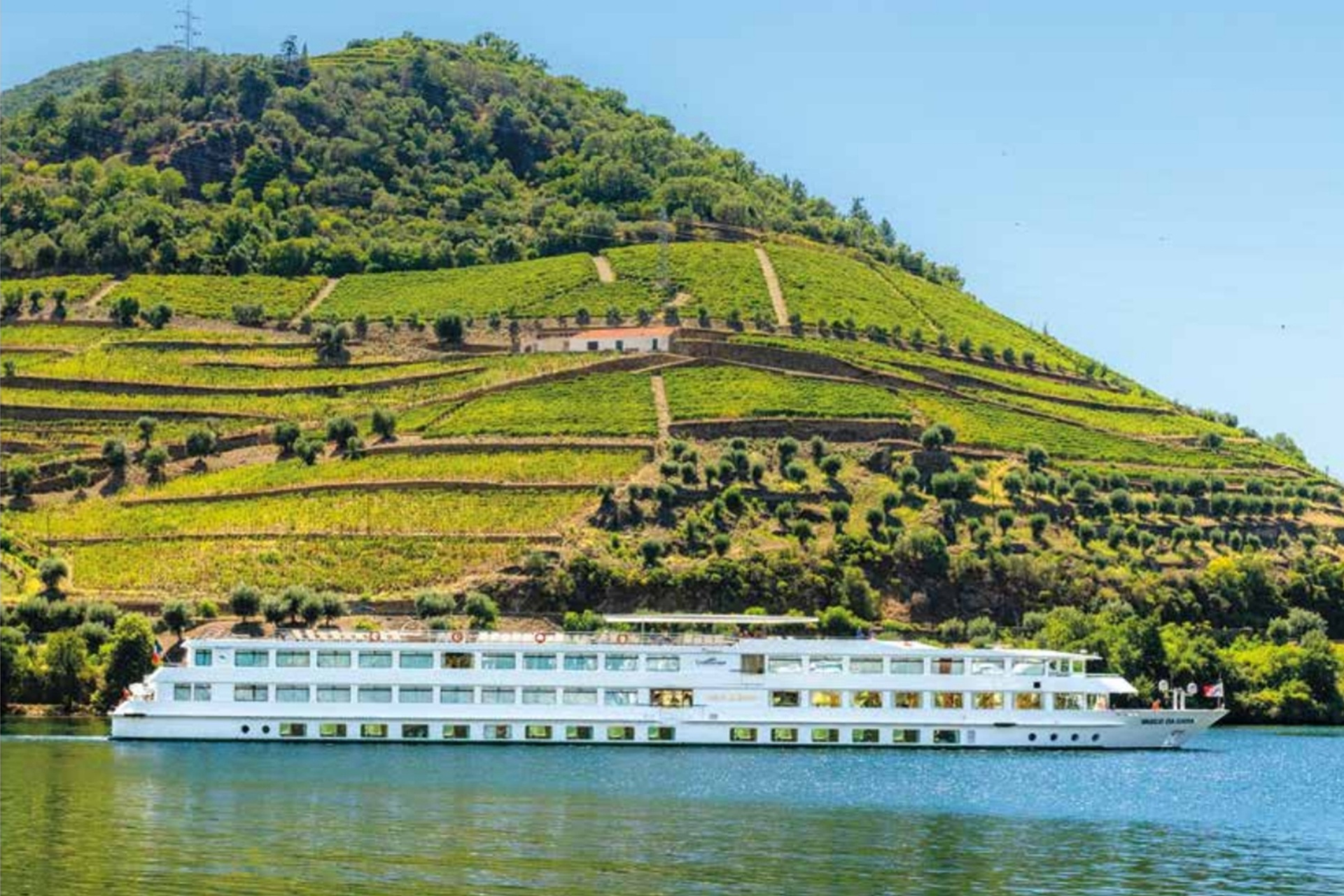
The fleet is substantial, with 43 vessels operating across 39 waterways. That includes modern river ships, smaller canal hotel barges in Alsace, Burgundy, Champagne and Provence, and a coastal option: La Belle de l’Adriatique.
Where to start and longer‑haul options
- First-time routes: Rhine, Danube, Seine, Rhône, Douro and Loire, reliable choices for predictable sightseeing and logistics.
- Creative itineraries: longer point‑to‑point trips such as Berlin to Copenhagen show route variety.
- Beyond the rivers: selected long‑haul cruises on the Mekong and southern Africa (Lake Kariba, Zambezi) for travellers seeking very different experiences and budgets.
For passengers comparing operators, the scale and variety of the fleet make this line worth inspection. The company’s heritage sets realistic expectations: solid cuisine, organised excursions and a predominantly French service tone.
Ships and onboard feel: what to expect from 4-anchor vs 5-anchor boats
Not all vessels feel the same; the rating and layout shape daily life aboard.
Anchor rating explained: a 4-anchor vessel is the standard offering, practical cabins, reliable service and good value. A 5-anchor ship is the premium option with fewer, larger cabins and added touches for a more contemporary feel.
What upgrades usually bring: larger windows, occasional balcony cabins and a brighter interior ambience. These changes suit travellers who prize space and stronger cabin views.
Layouts, public areas and capacity
Ships come in two-deck or three-deck arrangements. Typically there is a restaurant, a lounge bar and a sun deck for panoramic cruising.
With roughly 100–180 passengers on board, the atmosphere stays social but manageable. Staff can deliver personal service more easily than on big ocean liners.
- Lounge: hub for briefings, drinks and light entertainment.
- Restaurant: set mealtimes and a focus on shared dining.
- Sun deck: open views and seating for scenic stretches.
"Comfortable and bright rather than ultra‑flashy — the value lies in inclusions and routes."
| Feature | 4-anchor | 5-anchor | Practical tip |
|---|---|---|---|
| Cabins | Standard size, river views | Larger cabins, some balconies | Book higher grade for more space |
| Decks | Two or three decks | Often three decks with raised lounge | Choose upper deck for quieter nights |
| Public areas | Lounge, restaurant, open sun deck | Expanded lounge, larger sun deck | Spend time on sun deck for best views |
| Atmosphere | Friendly, buzzy with mixed guests | Calmer, slightly more refined | Match ship to how much time you'll spend on board |
Choose ship class and deck based on how important cabins and views are to your holiday. That way you balance cost and comfort for the best onboard experience.
Cabins, decks and comfort: sleep quality, noise and in-room amenities
Cabin choice directly shapes how well you sleep, how much space you have and what you hear at night. Cabins on this line are compact but efficient, typically laid out as double or twin beds with en‑suite shower rooms and built‑in storage.
Space reality: expect hotel‑style practicality rather than spacious suites. The layout suits passengers who spend daytime ashore and evenings in public areas.
Deck selection and why it matters
Choosing a higher deck is not just for views. It often reduces engine noise and improves sleep quality on nights when the ship sails.
Lower decks can be closer to machinery and feel noisier, especially during overnight passages. Budget accordingly and weigh the upgrade against the total nights aboard.
In-cabin facilities you can expect
Standard amenities include air‑conditioning and heating, satellite TV (useful for the daily programme), a safe, hairdryer and 220V outlets.
These small comforts help the onboard experience feel reliable and familiar to UK travellers.
Practical tips for sleep and value
- Light sleepers should prioritise an upper deck or pack earplugs.
- Compare the "from" pricing per person by cabin grade and deck to avoid surprises at checkout.
- Remember: a better cabin choice can improve multiple nights and lift the overall trip value.
"A compact cabin that sleeps well is often the smartest investment on short river breaks."
Food, wine and bar: a core reason guests book (and rebook)
A polished dining programme anchors the onboard experience for many guests. The operator leans into a French gastronomy approach with chef partnerships that lend culinary credibility and consistent quality.
Fine dining tradition and chef partnerships
Renowned chef links support menus inspired by classic French technique. These relationships help maintain high standards across ships without over‑claiming Michelin status.
Breakfast, lunch and dinner formats
Breakfast is buffet style to suit early starts and shore days. Lunch and dinner are usually set, three-course services that keep dining smooth for all guests.
Wine with meals and regional touches
Complimentary house wines accompany meals and menus often spotlight local wines and regional dishes. This brings a sense of place to each itinerary.
All-inclusive bar: what’s included and what costs extra
On many European sailings a general bar allowance is included. Guests should expect premium lists, Champagne and select spirits, to incur extra charges.
Dietary needs
Allergies, gluten‑free and special diets can be catered for if flagged at booking. Reconfirm on embarkation to ensure kitchen staff note your requirements.
"Dining and local wine pairings are frequently cited as the highlight of the voyage."
| Service element | What to expect | Practical tip |
|---|---|---|
| Breakfast | Buffet with hot and cold choices | Allow time before excursions for selection |
| Lunch & Dinner | Set three-course service | Menus may reflect regional produce |
| Wines | House wines included with meals; regional wines featured | Ask for recommended pairings with each course |
| Bar | Many departures include standard bar items; premium drinks extra | Check the cruise details for the exact bar policy |
Itineraries, nights and excursions: what your days actually look like
A typical day aboard mixes organised touring with pockets of independent exploration.
Trip length ranges from short 3–4 night breaks to one‑two week trips that explore regional culture in depth. Short breaks suit first‑time travellers testing a river cruise. Longer trips appeal to those wanting more time ashore and deeper visits to historic sites.
Each day usually begins with breakfast onboard, followed by a guided excursion or walking tour. Lunch is timed around shore visits, then guests get free time in port when moored near town centres. Evening lectures or local meals round the day.
Excursions commonly cover city tours, museums, markets and key historic sites. Many trips include these guided visits as part of the fare rather than optional add‑ons. Moorings are often within easy walking distance of main attractions, allowing DIY exploring without coach transfers.
Croisi Europe offers unique European and Worldwide river cruise packages.
"For travellers focused on culture and curated touring, the itinerary format is a strong match."
| Element | Typical offering | Practical tip |
|---|---|---|
| Trip lengths | 3–4 nights to 10–14 nights | Choose short breaks to trial river travel; pick longer trips for wider culture |
| Excursions | Included guided tours — towns, museums, markets | Check which tours are included before booking |
| Mooring & free time | Docks often near town centres | Plan self-guided walks for extra time at sites |
| Scenic cruising | Varies by itinerary; some long moored periods | Review daily schedule for sailing vs moored time |

- Buyer’s checklist: examine daily programmes for hours spent underway versus moored.
- Book routes with extended sailing time if constant panorama is a priority.
- Choose trips labelled for cultural depth if visits to sites and museums matter most.
Service, crew and onboard language: French-English experience in real reviews
Reviews regularly note that attentive crew and professional staff keep daily operations running without fuss. Guests praise friendly, prompt service at meals and during excursions.
The company provides a French‑led atmosphere by design. This supports authentic hospitality and cuisine but can affect how smoothly French English interaction works for some passengers.
Staff and crew strengths
- Friendly, attentive staff who manage meals and briefings efficiently.
- Organised crew routines that keep shore transfers and cabin service punctual.
- Helpful front‑desk teams able to arrange printed translations or language assistance when asked.
Bilingual expectations vs reality
Menus and key notices are often available in English. Yet onboard announcements, entertainment and commentary may default to French depending on passenger mix.
Excursions usually offer English-speaking guides, but this is not guaranteed on every tour. When few English guests travel, guides sometimes work mainly in French.
How to improve your experience if you don’t speak French
- Tell reception on boarding that you require English for announcements and printed programmes.
- Request English menus or translated daily plans early each day.
- Confirm the language of the day’s excursion at the briefing to avoid misunderstandings.
"Many guests find the trip more rewarding when they flag language needs at embarkation."
| Area | Typical delivery | What passengers should do | Practical tip |
|---|---|---|---|
| Meals & menus | Printed English available on many sailings | Ask for English menu at reception | Keep a copy or photo for reference |
| Announcements | Often French-first, English where demand exists | Request English briefings if required | Stand near reception for translated notes |
| Excursions | English guides commonly provided but not guaranteed | Confirm guide language before boarding coach | Book private guide locally if language matters |
| Staff & crew | Friendly, helpful and used to mixed-language groups | Be clear about language needs when asking for help | Polite reminders prompt better support |
Pricing and value: what you get per person and how Croisi Europe compares
Understanding typical fares helps UK passengers compare what they will get for their money.
Typical UK price ranges Douro river cruise from Porto starts from £1549pp; 5 river cruise adventure from Strasbourg to Luxembourg; and 6 night Paris and Chateux of Chambord to the Loire Valley from £2339pp.
What "all-inclusive" usually covers
All-inclusive generally includes accommodation, meals and many drinks with meals. On many departures the bar allowance covers standard drinks; premium labels and Champagne are chargeable.
Guided excursions may be included depending on route and duration. Longer or long‑haul programmes more often bundle tours into the fare.
Where upgrades add measurable value
- Higher decks: quieter cabins and better views, useful for light sleepers.
- 5-anchor ships: larger cabins and a more spacious public area.
- Itinerary choice: routes with longer sailing hours deliver more scenic cruising time.
"Best value comes from picking the right itinerary, then choosing ship class and deck to suit sleep and view priorities."
| Element | Typical range | Why it matters |
|---|---|---|
| Short break (3–4 nights) | Under £400 per person | Low-cost entry to river travel; fewer included excursions |
| Week-long sailings | £800–£1,200 per person | Balanced time ashore and cruising; many include standard excursions |
| Themed/seasonal trips | From ~£600+ per person | Higher demand and special events push prices up |
| All-inclusive scope | Meals + many drinks; excursions vary | Check details for bar policy and which tours are included |
Purchasing conclusion: prioritise itinerary (hours underway and ports), then pick ship category and upgrade the deck if quiet nights and views are important. That sequence usually delivers the best value per person.
Practical tips before you book: Wi‑Fi, dress code, plugs, tipping and laundry
Before you book, a few practical details will make life onboard much smoother.

Wi‑Fi and connectivity
Free Wi‑Fi is available across the fleet but strength varies by ship and route. Coverage is often best in the reception and lounge areas.
Tip: expect slower speeds during peak use; plan heavy uploads for shore time.
Dress code and daily wear
Days ashore are relaxed—smart casual is fine for most dining. One gala evening lets passengers dress up without needing black tie.
Electricity and plugs
Power is 220V with European sockets. UK travellers should pack a European adaptor and a compact multi‑plug for multiple devices.
Tipping and onboard etiquette
Tipping is discretionary and handled discreetly, usually via an envelope near the end of the voyage. No obligation—leave what feels appropriate.
Laundry and packing
There is no guest laundry service onboard, so pack versatile, re‑wearable clothing and layers. Sun deck time depends on weather, so choose routes and seasons that match your preferred way to spend time.
Health and safety
The operator maintains Bureau Veritas “Safeguard” certification, with structured boarding routines such as temperature checks and luggage disinfection. This offers clear reassurance for travellers who value visible standards.
Conclusion
A practical buying decision balances time underway, cabin grade and the scope of included drinks and tours. The operator delivers organised, all‑inclusive river holidays with French‑led hospitality and consistently good dining.
Best suited to couples, friends and first‑time river guests who want predictable comfort and clear inclusions without paying top‑tier premiums. Choose higher decks or 5‑anchor ships for quieter nights and more space.
Key watch‑outs: some sailings favour long moorings over continuous scenic sailing, and announcements can lean towards French on board. Check language notes and daily programmes before you book.
Before paying your balance: confirm the bar package, which excursions are included and any premium drink exclusions. When expectations match the product, the line offers a high‑value, high‑comfort river cruise experience for UK travellers.
FAQ
What is the overall verdict on Croisi Europe cruise for UK travellers?
How long has the company operated and where do they sail?
How many ships are in the fleet and what waterways do they use?
What is the difference between 4-anchor and 5-anchor ships?
How many passengers do the ships normally carry?
What cabin types and amenities are provided?
What dining experience can guests expect?
Is alcohol included and what costs extra?
How are dietary requirements handled?
What types of itineraries and trip lengths are available?
Are excursions included and what do they involve?
When might a “cruise” feel like a floating hotel?
What is the onboard language situation?
How can non‑French speakers improve their onboard experience?
What are typical UK price ranges for these river cruises?
What does “all‑inclusive” cover on these sailings?
Which upgrades give the best value?
What practical items should UK travellers know before boarding?
How reliable is Wi‑Fi onboard?
What are the health and safety standards onboard?
Is tipping expected and what is the etiquette?
Where can passengers find quieter cabins and better views?
How family‑friendly are the cruises?
Can guests combine river cruises with land extensions?
How should travellers book to secure the best cabins and dates?