
Top 10 Cities to Visit in the USA | Essential Guide
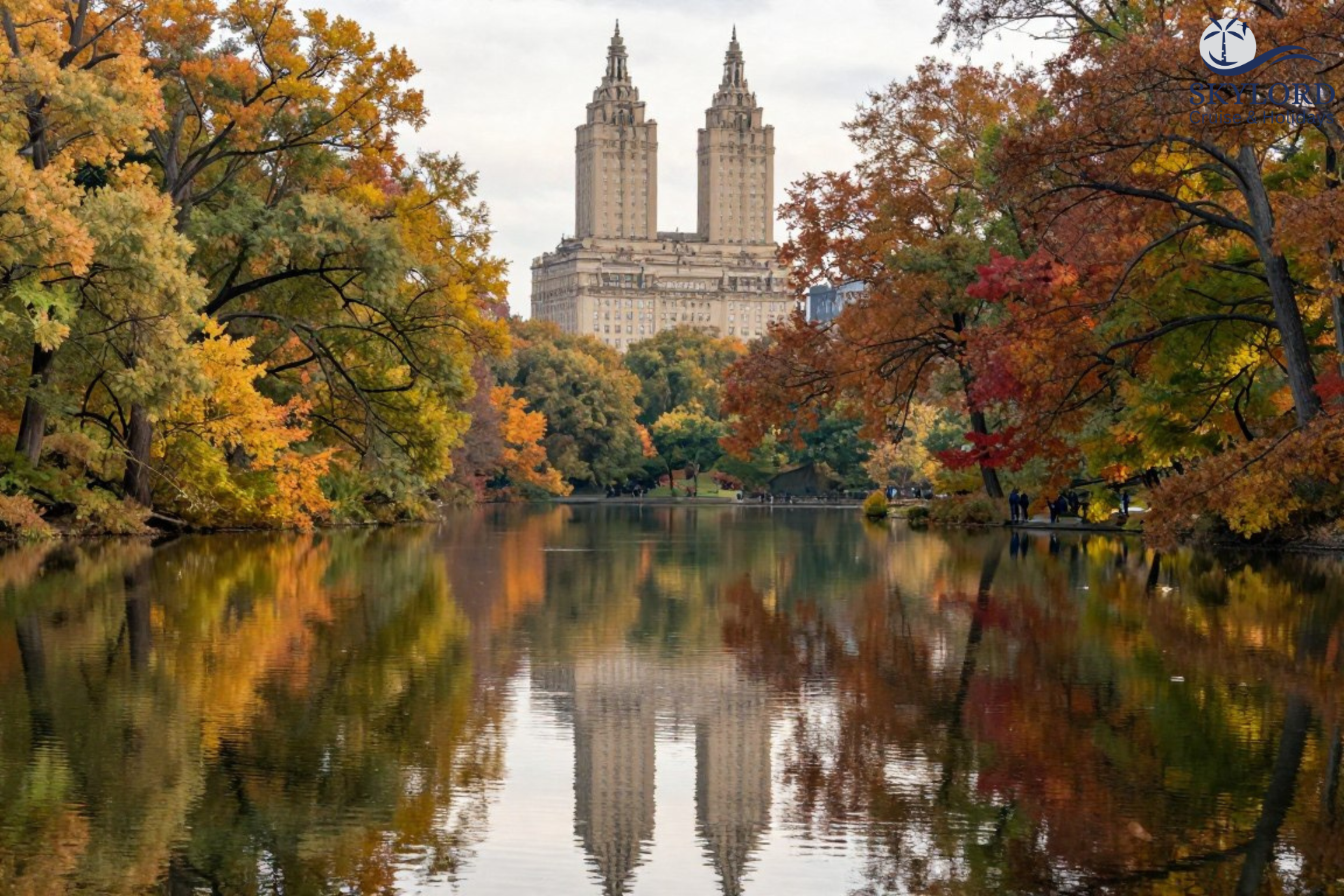
Top 10 Cities to Visit in the USA: A Thoughtful Exploration

We find ourselves drawn to questions that resist simple answers. Which American cities truly merit your time and attention? The question echoes through countless travel forums and dinner conversations. Yet beneath this seemingly straightforward query lies something more complex.
The United States stretches across a continental expanse that defies easy categorization. Each city pulses with its own rhythm and character. What emerges from our decades of exploration is not a definitive ranking but rather a considered collection of urban spaces that reveal different facets of American life.
This guide reflects our commitment to depth over superficiality. We've walked these streets during different seasons and spoken with residents who call these places home. The cities we present here offer substance beneath their surface appeal.
Receive Monthly Insights That Go Deeper
Join 50,000+ thoughtful travelers who receive our monthly exploration of destinations that reward curiosity. We share perspectives you won't find in typical guidebooks.
New York City: The Energy That Defines a Nation
New York City occupies a unique position in the American imagination. This metropolis of eight million souls operates at a tempo that simultaneously exhausts and exhilarates. The city presents itself not as a destination but as a living organism.
Manhattan's grid system imposes order on chaos. Yet within this geometric precision, neighborhoods assert distinct identities. The Upper East Side cultivates refinement while the Lower East Side celebrates its immigrant heritage. Greenwich Village maintains bohemian traditions even as property values soar.
Cultural Institutions Without Parallel

The Metropolitan Museum of Art houses collections spanning five millennia. We've witnessed visitors stand transfixed before a Vermeer for twenty minutes. The museum's Egyptian wing transports you to the banks of the Nile without leaving the Upper East Side.
The Museum of Modern Art redefined how we encounter contemporary art. Its galleries present works that challenged conventions and expanded possibilities. Walking these rooms, you trace the evolution of modern consciousness.
Beyond these institutions, countless smaller museums and galleries populate the city. The Frick Collection offers intimacy its larger counterparts cannot match. The New Museum in the Bowery champions emerging voices.
Neighborhoods as Distinct Ecosystems of the Top 10 Cities to Visit in the USA
Brooklyn has evolved from punchline to cultural capital. Williamsburg transformed from industrial wasteland to global symbol of urban renewal. DUMBO offers spectacular views of Manhattan's skyline framed by historic bridges.

Queens embodies the city's immigrant story more authentically than any borough. Flushing's Asian communities create culinary landscapes that rival anything in their home countries. Jackson Heights presents a global food tour within ten blocks.
The Food Scene That Sets Standards
Iconic New York Restaurants
The city's restaurants define American dining culture. These establishments created templates others followed.
- Peter Luger Steakhouse in Williamsburg
- Katz's Delicatessen on the Lower East Side
- Momofuku Noodle Bar in East Village
- Le Bernardin for refined seafood
- Russ & Daughters for traditional Jewish fare
Emerging Food Neighborhoods
New areas continuously reshape the city's culinary map. Innovation happens in unexpected corners.
- Long Island City's waterfront dining
- Astoria's authentic Greek tavernas
- Crown Heights' Caribbean cuisine
- Sunset Park's Chinatown restaurants
- Red Hook's food market vendors
Green Spaces Within the Urban Grid
Central Park demonstrates urban planning at its most visionary. Frederick Law Olmsted created landscapes that appear natural yet resulted from meticulous design. The Ramble's winding paths offer solitude minutes from Fifth Avenue.

Prospect Park in Brooklyn often surpasses its famous counterpart. The same designers created this space with lessons learned from their Manhattan project. The Long Meadow stretches nearly a mile of uninterrupted grassland.
Practical Considerations for Visitors for the Top 10 Cities to Visit in the USA
The subway system operates twenty-four hours but demands basic navigation skills. Purchase a MetroCard and accept that occasional delays form part of the experience. Walking reveals the city more intimately than any vehicle.
Hotels command premium prices year-round. Book well in advance for autumn when weather proves ideal and cultural institutions launch new exhibitions. Spring offers comparable conditions with slightly lower rates.
San Francisco: Where Natural Beauty Meets Innovation
San Francisco occupies forty-nine square miles of hills overlooking a magnificent bay. The city's compact geography creates an intimacy absent from sprawling metropolises. You can traverse neighborhoods on foot and witness dramatic landscape changes within minutes.
The Golden Gate Bridge suspends between headlands in a feat of engineering that became an icon. We've watched fog roll through the bridge's towers countless times. Each viewing reveals new dimensions of this remarkable structure.
A City Shaped by Its Geography

Telegraph Hill rises steeply from the waterfront. Coit Tower crowns its summit, offering panoramic views that justify the climb. The Filbert Steps descend through gardens maintained by residents who've created urban oases.
Twin Peaks provides the city's highest accessible viewpoint. From this elevation, San Francisco's layout reveals itself. The street grid bends and breaks according to topographic demands.
Neighborhoods That Define the City
The Mission District's Cultural Vitality
The Mission pulses with Latin American energy. Murals transform ordinary walls into political statements and artistic expressions. Balmy Alley and Clarion Alley showcase this tradition most intensely.

Food in the Mission reflects its demographics. Taquerias serve some of the country's finest Mexican food. The Mission burrito evolved here into its current form. Bi-Rite Creamery draws lines that stretch around corners.
North Beach's Italian Heritage
North Beach preserves Italian-American traditions even as demographics shift. Family-owned restaurants serve recipes passed through generations. Caffe Trieste has fueled conversations since the nineteen-fifties.

City Lights Bookstore anchors the neighborhood's literary legacy. Lawrence Ferlinghetti created a space where ideas challenged conventions. The store's basement poetry room maintains this rebellious spirit.
Natural Beauty at the Urban Edge
The Presidio transitions from military base to national park without losing its character. Hiking trails wind through eucalyptus groves and along coastal bluffs. Baker Beach offers views of the Golden Gate Bridge from below.

Land's End trails trace the city's northwestern corner. The Sutro Baths ruins hint at grander times. On clear days, you can see the Farallon Islands thirty miles offshore. The area also has an array of stunning National Parks to enjoy.
The Food Culture That Launched Movements
San Francisco initiated the farm-to-table movement that spread nationwide. Alice Waters' Chez Panisse in nearby Berkeley established principles now considered standard. The city's restaurants maintain these values while pushing boundaries.
Classic San Francisco Dining
- Swan Oyster Depot for seafood since 1912
- Tartine Bakery revolutionizing bread
- Zuni Café perfecting roast chicken
- Gary Danko for special occasions
- La Taqueria defining Mission burritos
Emerging Food Scenes
- Ferry Building Marketplace vendors
- Dogpatch neighborhood restaurants
- Outer Sunset Asian fusion spots
- Hayes Valley wine bars
- Richmond District dim sum houses
Technology's Visible Impact
Silicon Valley's proximity shapes the city's character. Tech workers flood neighborhoods, transforming real estate markets and cafe culture. This influx creates tensions but also energy.
The SOMA district houses startups in converted warehouses. What was industrial space now incubates companies worth billions. The contrast between old and new San Francisco crystallizes here.
Craft Your American Journey with Experienced Guidance
Having explored these cities for decades, we've developed understanding that goes beyond guidebooks. Each destination reveals itself differently to different travelers. Let's discuss which cities align with what you genuinely seek from your American adventure.
Call us on 01923 883100 - Mon-Sun 9:00-21:00 GMT
Chicago: Architecture and Culture on the Prairie
Chicago rises from the flat Midwestern landscape with muscular confidence. This city rebuilt itself after catastrophic fire and emerged stronger. That resilience permeates its character still.
Lake Michigan borders the city's eastern edge like an inland sea. The waterfront stretches for miles, offering beaches and parks that rival coastal cities. We've watched summer storms roll across the lake with theatrical intensity.
Architecture as the Defining Art Form

The Chicago School of Architecture transformed how cities build upward. Louis Sullivan and Frank Lloyd Wright developed principles that spread globally. Their legacy remains visible in buildings that still command attention.
The Architecture River Cruise provides education disguised as entertainment. Guides explain how engineering innovations enabled unprecedented heights. You witness the city's evolution told through its buildings.
Iconic Structures Worth Studying

Willis Tower held the world's tallest building title for decades. The Skydeck's glass boxes extend beyond the building's edge. Standing on transparent floor one hundred three stories up tests nerves.

The Rookery Building showcases Wright's interior renovation work. Its light court demonstrates his mastery of natural illumination. The building operates as office space while remaining architecturally significant.
Museums That Demand Multiple Visits
The Art Institute of Chicago houses one of the world's finest collections. Its Impressionist galleries alone justify the trip. Grant Wood's American Gothic and Edward Hopper's Nighthawks reside here alongside countless masterworks.

The Field Museum contains Sue, the most complete Tyrannosaurus rex skeleton ever discovered. But the museum's anthropology collections reveal equal depth. Ancient Egyptian artifacts and Pacific Island cultural objects fill halls.
Neighborhood Character Beyond Downtown
Wicker Park evolved from working-class Polish neighborhood to hipster haven. Vintage shops and independent bookstores line its streets. The area's restaurants reflect diverse influences.
Pilsen maintains strong Mexican-American identity through murals and family businesses. The National Museum of Mexican Art offers free admission to world-class collections. Neighborhood bakeries produce pastries that transport you south of the border.

Deep Dish Pizza Institutions
Chicago's signature dish deserves its reputation. These spots perfect the form.
- Lou Malnati's traditional approach
- Pequod's caramelized crust edge
- Giordano's stuffed variation

Hot Dog Traditions
The Chicago hot dog follows specific rules. Never ketchup. Always these places.
- Portillo's citywide locations
- Superdawg drive-in experience
- Gene & Jude's minimalist perfection

Italian Beef Heritage
The Italian beef sandwich represents Chicago working-class food culture at its finest.
- Al's Beef original recipe
- Mr. Beef on Orleans
- Johnnie's Beef in Elmwood Park
Music Scenes Across Genres
Chicago blues shaped American music. Legends recorded in Chess Records studios that still operate as a museum. The sound they created influenced everyone who followed.
Jazz thrives in intimate clubs where musicians honor traditions while exploring new territory. The Green Mill hosted Al Capone and still books world-class acts. Its Art Deco interior transports you to another era.
The city is the perfect place for music lovers to find many music themed things to do.
Summer in the City
Grant Park hosts free concerts throughout summer. The Chicago Blues Festival and Lollapalooza draw massive crowds. But smaller neighborhood festivals offer more authentic experiences.

Millennium Park's Pritzker Pavilion provides stunning setting for performances. Frank Gehry's architecture creates natural acoustics. The Great Lawn accommodates thousands for free concerts.
Call us on 01923 883100 - Mon-Sun 9:00-21:00 GMT
Speak with our team about planning your Chicago experience
New Orleans: Where Culture Flows Like the Mississippi
New Orleans operates according to its own logic. This city below sea level defies easy categorization. French and Spanish colonial influences blend with African and Caribbean traditions. What emerges is purely American yet unlike anywhere else in the country.
The French Quarter's architecture dates to the late eighteenth century. Wrought-iron balconies overlook streets that witnessed three hundred years of history. Yet the Quarter remains vibrantly alive rather than a museum piece.
Music as the City's Heartbeat

Jazz was born here in places like Congo Square where enslaved people gathered on Sundays. That musical tradition never ceased. On any night, you can hear world-class musicians in venues ranging from historic halls to corner bars.
Preservation Hall maintains traditional jazz in an intimate space without modern amenities. No air conditioning. Minimal seating. Just pure music played by masters of the form. The experience connects you directly to the art's origins.
Musical Venues Across Genres
Traditional Jazz Spots
These venues preserve the music that defines the city's soul and identity.
- Preservation Hall's nightly performances
- Snug Harbor contemporary jazz
- The Spotted Cat on Frenchmen Street
- Tipitina's legendary stage
Broader Music Scene
Beyond jazz, the city nurtures diverse musical expressions and traditions.
- House of Blues national acts
- Maple Leaf Bar brass bands
- d.b.a. eclectic bookings
- Vaughan's Thursday night tradition
Food as Cultural Expression
New Orleans cuisine reflects the city's multicultural heritage. Creole and Cajun traditions merge with contemporary innovation. The results satisfy on levels beyond mere sustenance. This food focus is seen throughout the whole state and surrounding area.

Commander's Palace has served haute Creole cuisine since eighteen ninety-three. The restaurant evolved while maintaining standards. Its turtle soup and bread pudding soufflé exemplify New Orleans fine dining.
Essential Culinary Experiences
Classic Restaurants
- Antoine's French Quarter tradition since 1840
- Galatoire's Friday lunch institution
- Dooky Chase's Creole soul food legacy
- Arnaud's Shrimp Arnaud perfection
- Brennan's bananas foster birthplace
Contemporary Excellence
- Cochon modern Cajun approach
- Herbsaint Donald Link's flagship
- Compère Lapin Caribbean influences
- Josephine Estelle Italian Louisiana fusion
- Marjie's Grill Southeast Asian Creole blend
Casual Essential Stops
- Café du Monde beignets twenty-four hours
- Central Grocery original muffuletta
- Parkway Bakery po-boy mastery
- Willie Mae's fried chicken pilgrimage
- Casamento's oyster loaf tradition
Neighborhoods Beyond the Quarter
The Garden District showcases antebellum architecture along tree-lined streets. Mansion tours reveal how the wealthy lived. Lafayette Cemetery Number One contains above-ground tombs characteristic of the city.

Treme represents the oldest African American neighborhood in the United States. Its cultural significance extends beyond tourism. Louis Armstrong grew up here. The neighborhood birthed jazz funeral traditions.
The Bywater attracts artists and musicians with affordable rents and bohemian atmosphere. Galleries and studios occupy converted warehouses. Crescent Park provides riverfront access with skyline views.
Annual Celebrations and Festivals
Mardi Gras dominates the calendar but hardly exhausts the city's festival culture. Jazz Fest spans two weekends in spring with world-class lineups. French Quarter Fest offers free music across multiple stages.

Second line parades happen most Sundays, especially during fall and spring. These neighborhood celebrations combine brass band music with community pride. Following a second line reveals the city's soul.
Confronting History and Reality
Hurricane Katrina's impact remains visible and relevant. The city rebuilt but scars persist. Understanding New Orleans requires acknowledging this recent trauma alongside longer histories.
Poverty and racial inequality create tensions tourism often obscures. Responsible visitors recognize they're guests in a complex living city. Respect for local culture means more than consuming its productions.
Boston: American History in a Walkable City
Boston wears its history with peculiar pride. This city incubated revolutionary ideas that birthed a nation. Those origins remain palpable walking streets Paul Revere once traveled.
The compact downtown allows exploration on foot. Unlike sprawling American cities, Boston rewards pedestrians. European influence shaped its layout. Winding streets follow colonial cow paths rather than rational grids.
The Freedom Trail and Historical Significance

The Freedom Trail connects sixteen historical sites across two and a half miles. Following the red brick line, you trace the American Revolution's origins. Each stop reveals crucial moments.
Faneuil Hall served as meeting place for revolutionaries plotting independence. Samuel Adams and James Otis delivered speeches that stirred rebellion. The building now houses a market but retains historical resonance.
Revolutionary Sites Worth Contemplating

Old North Church launched the revolution when lanterns signaled British troop movements. "One if by land, two if by sea" entered American mythology here. The church still holds services while welcoming visitors.

USS Constitution remains the world's oldest commissioned naval vessel. This ship fought in the War of eighteen twelve and never lost a battle. Tours reveal life aboard wooden warships.
World-Class Educational Institutions
Harvard University's presence shapes Cambridge's character. The campus blends colonial buildings with contemporary architecture. Harvard Yard provides green space where students have gathered for centuries.

MIT pushes technological boundaries from its Cambridge campus. The university's architecture includes works by Frank Gehry and I.M. Pei. Public art installations demonstrate where science meets creativity.
Museums Housing Exceptional Collections
The Museum of Fine Arts Boston ranks among America's most comprehensive art institutions. Its collection spans ancient Egyptian artifacts to contemporary installations. The Japanese garden provides contemplative outdoor space.
The Isabella Stewart Gardner Museum occupies a Venetian-style palazzo filled with art collected by its namesake. An unsolved nineteen ninety art heist removed thirteen works. Empty frames mark where masterpieces once hung.
North End Italian Heritage

Boston's North End maintains Italian-American traditions through restaurants and bakeries established generations ago.
- Modern Pastry cannoli competition
- Giacomo's no-reservation policy
- Neptune Oyster seafood excellence
Seafood Traditions

New England seafood reaches its peak in Boston restaurants honoring maritime traditions with fresh local catches.
- Legal Sea Foods consistency
- Island Creek Oyster Bar quality
- Row 34 contemporary approach
Contemporary Dining

Modern Boston chefs blend tradition with innovation, creating dining experiences that honor heritage while exploring new territory.
- O Ya Japanese precision
- Craigie on Main whole animal cooking
- Oleana Mediterranean influences
Neighborhoods with Distinct Characters
Beacon Hill's brick rowhouses and gas lamps evoke nineteenth-century elegance. Narrow streets climb the hill where Boston's elite once lived. Acorn Street photographs beautifully but remains a functioning neighborhood.
The South End transformed from working-class to upscale while maintaining Victorian architecture. Art galleries and design shops occupy former industrial spaces. The neighborhood's restaurant scene rivals any in the city.
Green Spaces and Public Gardens

The Boston Public Garden adjoins Boston Common, creating connected green space in the city's heart. Swan boats have glided the lagoon since eighteen seventy-seven. Spring brings tulips that transform the landscape.
The Emerald Necklace links parks designed by Frederick Law Olmsted. This seven-mile chain of green spaces includes the Arnold Arboretum and Jamaica Pond. Each park serves different recreational needs.
Sports Culture and Team Loyalty
Fenway Park opened in nineteen twelve and remains baseball's most beloved ballpark. The Green Monster left field wall creates unique playing conditions. Attending a Red Sox game means participating in tribal ritual.
Boston sports fans exhibit legendary passion that occasionally crosses into obsession. The city's teams inspire devotion that binds communities. Championship victories trigger celebrations that shut down the city.
Washington DC: The Capital's Museums and Monuments
Washington DC functions as both functioning capital and symbolic heart of the nation. Pierre L'Enfant's grand urban design created vistas and monuments befitting imperial ambitions. The result impresses through sheer scale.
The National Mall stretches from the Capitol to the Lincoln Memorial. This two-mile corridor contains museums, monuments, and green space. We've walked its length countless times without exhausting its significance.
The Smithsonian Institution's Unmatched Resources

Nineteen Smithsonian museums offer free admission to collections spanning human knowledge. The National Museum of Natural History houses the Hope Diamond and dinosaur halls. The National Air and Space Museum displays the Wright Flyer and Apollo eleven command module.
The National Gallery of Art contains Western art from the Middle Ages through modernism. Its East Building showcases contemporary works in I.M. Pei's geometric masterpiece. The sculpture garden provides outdoor art experience.
Essential Smithsonian Museums
History and Culture
These institutions preserve and present American stories across centuries and communities.
- National Museum of American History
- National Museum of African American History
- National Museum of the American Indian
- National Portrait Gallery
Art and Science
Specialized collections explore specific domains of human achievement and discovery.
- Hirshhorn Museum contemporary art
- Freer and Sackler Asian art
- National Museum of Natural History
- National Air and Space Museum
Monuments That Shape the Skyline
The Washington Monument towers over the city at five hundred fifty-five feet. Its construction spanned decades and survives visible in slightly different stone colors. The observation deck offers panoramic views.

The Lincoln Memorial anchors the western end of the Mall. Daniel Chester French's seated Lincoln gazes across the reflecting pool toward the Capitol. The memorial's steps witnessed Martin Luther King Jr.'s "I Have a Dream" speech.
Memorials Worth Contemplating

The Vietnam Veterans Memorial's black granite walls list fifty-eight thousand names. Maya Lin's design provoked controversy but achieved profound impact. Visitors leave offerings and make rubbings of names.
The Martin Luther King Jr. Memorial opened in twenty eleven. The Stone of Hope sculpture emerges from the Mountain of Despair. Quotations carved into walls present King's philosophy.
The Franklin Delano Roosevelt Memorial uses water features and sculptures to chronicle his presidency. Eleanor Roosevelt's statue recognizes her independent significance. The memorial's four outdoor rooms represent FDR's terms.
Neighborhoods Beyond the National Mall
Georgetown predates Washington's founding and maintains distinct identity. Federal-style rowhouses line streets that climb from the Potomac. The C&O Canal towpath provides walking and cycling routes.

Adams Morgan pulses with international restaurants and nightlife. This neighborhood's diversity creates culinary options spanning continents. Street festivals celebrate various cultural traditions throughout the year.
The Food Scene's International Character
Washington's diplomatic community ensures authentic international cuisine. Ethiopian restaurants cluster around certain streets. Vietnamese pho shops serve government workers on lunch breaks.
Classic DC Dining
- Ben's Chili Bowl U Street institution
- The Dabney Mid-Atlantic ingredients
- Old Ebbitt Grill since 1856
- Rasika modern Indian excellence
Ethnic Neighborhoods
- Adams Morgan Ethiopian restaurants
- Chinatown authentic Asian options
- Arlington Vietnamese corridor
- Mount Pleasant Latin American food
Call us on 01923 883100 - Mon-Sun 9:00-21:00 GMT
Discuss crafting your personalized Washington DC itinerary
Understanding the Political Landscape
The Capitol Building houses Congress and dominates the eastern Mall. Tours reveal ornate interiors and explain legislative processes. The building symbolizes American democracy for better and worse.
The White House allows limited public tours requiring advance arrangements. The building's relatively modest scale surprises visitors expecting grander presidential residence. Lafayette Square across Pennsylvania Avenue offers exterior views.
Each American City Reveals Itself Differently
We've explored these destinations across seasons and circumstances, developing perspectives that transcend typical travel advice. Which cities align with your interests? What experiences matter most to you? Let's have a conversation about crafting an American journey that reflects your genuine curiosities rather than predetermined itineraries.
Seattle: Coffee Culture and Pacific Northwest Beauty
Seattle occupies a dramatic setting between Puget Sound and the Cascade Mountains. On clear days, Mount Rainier dominates the southern horizon. The city's relationship with water and mountains defines its character.
Rain shapes Seattle's reputation more than weather data justifies. The city receives less annual precipitation than New York. But persistent drizzle during gray winter months created cultural adaptations—coffee shops on every corner, thriving indoor music scenes.
The Coffee Culture That Conquered America

Starbucks began at Pike Place Market in nineteen seventy-one. That original store still operates using the company's first logo. But Seattle's coffee scene extends far beyond corporate chains.
Independent roasters transformed coffee appreciation into art form. Espresso Vivace pioneered latte art. Caffe Vita sources beans with obsessive attention to origin and roasting. These shops inspired nationwide specialty coffee movements.
Pike Place Market's Enduring Appeal

Pike Place Market opened in nineteen oh seven and remains a functioning farmers market. Fish throwers at Pike Place Fish Market perform for crowds while selling fresh seafood. The market's lower levels contain craft stalls and vintage shops.

Local farmers sell produce grown in surrounding valleys. Flower vendors create stunning arrangements from regional blooms. The market's prepared food options span global cuisines.
Technology's Influence on City Character
Amazon and Microsoft headquarters shape Seattle's economy and demographics. Tech wealth transformed neighborhoods and drove housing costs skyward. The city grapples with growth's consequences—traffic congestion, affordability crises, changing neighborhood character.
South Lake Union evolved from industrial area to tech campus in two decades. Amazon's spheres—glass domes filled with plants—symbolize this transformation. The neighborhood now bustles with well-paid workers in fleece vests.
Natural Beauty Within City Limits

Discovery Park occupies five hundred thirty acres of forest, meadow, and beach. The park's lighthouse sits at Puget Sound's edge. Trails wind through ecosystems that feel remote despite urban proximity.
The Washington Park Arboretum contains collections of trees and shrubs from temperate regions worldwide. Japanese Garden within the arboretum offers contemplative designed landscape. Spring brings azaleas and rhododendrons into spectacular bloom.
Music Heritage and Contemporary Scenes
Grunge music exploded from Seattle in the early nineties. Nirvana, Pearl Jam, and Soundgarden emerged from local clubs. That era's energy faded but Seattle maintains vibrant music culture.

The Museum of Pop Culture occupies Frank Gehry building celebrating music, science fiction, and gaming. Jimi Hendrix and Nirvana exhibits honor local legends. Interactive displays let visitors create music.
Neighborhood Diversity and Character
Capitol Hill serves as the city's arts and LGBTQ center. Independent bookstores and vintage shops line its commercial streets. The neighborhood's bars and clubs draw diverse crowds.
Ballard maintains Scandinavian heritage through the Nordic Museum. But the neighborhood transformed into dining and nightlife destination. Breweries proliferate along its industrial streets.
Fresh Seafood Focus

Pacific Northwest waters provide exceptional seafood served with minimal intervention at Seattle's best restaurants.
- Taylor Shellfish Farms oyster bars
- The Walrus and the Carpenter raw bar
- Matt's in the Market seasonal menus
Asian Cuisine Excellence

Seattle's proximity to Asia and diverse communities ensure outstanding Japanese, Chinese, Vietnamese, and Korean food.
- Shiro's Sushi master training
- Maneki oldest sushi restaurant
- Din Tai Fung soup dumplings
Pacific Northwest Cuisine

Chefs celebrate regional ingredients through restaurants that define Pacific Northwest cooking's current evolution.
- Canlis special occasion dining
- The Herbfarm tasting menus
- Sitka & Spruce neighborhood gem
Day Trips Into Surrounding Nature
The San Juan Islands lie ninety minutes by ferry from Seattle. These islands offer kayaking, whale watching, and quiet beaches. Orcas patrol the waters during summer months.
Mount Rainier National Park sits two hours south. The fourteen thousand foot volcano dominates views from Seattle. Wildflower meadows peak in late July and August. Hiking trails range from easy walks to serious mountaineering.
Austin: Live Music and Texas Character
Austin proclaims itself the Live Music Capital of the World. The slogan carries truth—more music venues per capita than anywhere else in America. On any night, hundreds of bands perform across the city.
The city grew from sleepy college town to booming metropolis in three decades. Tech companies relocated here seeking lower costs than Silicon Valley. The influx brought prosperity and problems—traffic, housing costs, changing culture.
The Music Scene That Defines the City

Sixth Street transforms into pedestrian zone weekend nights. Live music pours from every doorway. Cover bands and original acts compete for attention. The scene skews young and rowdy but pulses with genuine energy.
South Congress Avenue—SoCo to locals—offers more refined music experience. Venues like the Continental Club have hosted legends since nineteen fifties. The street's vintage shops and food trailers create complete neighborhood experience.
Essential Music Venues and Events
Legendary Venues
These spaces shaped Austin's music identity and continue presenting top talent across genres.
- The Continental Club honky-tonk tradition
- Antone's Nightclub blues heritage
- Stubb's BBQ outdoor concerts
- The Mohawk indie rock focus
Annual Music Festivals
Major events attract global audiences and showcase Austin's position as music destination.
- South by Southwest March chaos
- Austin City Limits Festival October weekends
- Blues on the Green free summer series
- Levitation psychedelic rock gathering
Food Culture From Trucks to Fine Dining
Food trailers revolutionized Austin dining. These mobile kitchens serve everything from tacos to Thai food. What began as necessity became culinary incubator. Many successful restaurants started in trailers.

Barbecue reaches religious significance in Texas. Austin's barbecue joints attract pilgrims willing to wait hours. Franklin Barbecue's line forms before dawn. The brisket justifies the wait—smoky bark gives way to tender meat.
Essential Austin Eating Experiences
Barbecue Institutions
- Franklin Barbecue legendary brisket
- Terry Black's family tradition
- la Barbecue East Austin excellence
- Louie Mueller Craft Meats
- Valentina's Tex Mex BBQ fusion
Breakfast Taco Culture
- Veracruz All Natural fresh ingredients
- Tacodeli local mini-chain quality
- Juan in a Million Don Juan taco challenge
- Joe's Bakery East Austin classic
- Valentina's Tex Mex morning specials
Contemporary Dining
- Uchi elevated Japanese cuisine
- Olamaie Southern refinement
- Barley Swine seasonal tasting menus
- Kemuri Tatsu-Ya Texas-Japanese fusion
- Loro Asian smokehouse concept
Outdoor Activities and Natural Spaces
Barton Springs Pool maintains seventy degrees year-round from underground springs. This three-acre pool within Zilker Park attracts swimmers daily. The water's clarity and temperature make it Austin icon.

Lady Bird Lake trail system encircles the downtown reservoir. Runners, cyclists, and paddleboarders share the space. The trail offers skyline views and wildlife sightings within city limits.
Day Trips Into Hill Country
The Texas Hill Country begins west of Austin. Rolling hills covered in cedar and oak stretch toward distant horizons. Small towns preserve German immigrant heritage through architecture and festivals.
Fredericksburg's Main Street showcases nineteenth-century buildings housing wineries and antique shops. The town serves as base for exploring surrounding vineyards. Texas wine industry surprised skeptics with quality.
The University's Influence on City Culture
The University of Texas enrolls over fifty thousand students. The campus shapes Austin's character—progressive politics, intellectual energy, football obsession. Longhorn sports inspire fierce loyalty that transcends mere fandom.

The Blanton Museum of Art houses the university's collection. European paintings share space with Latin American works. Contemporary art installations challenge and provoke. Admission remains free for students.
"Keep Austin Weird" and Changing Identity
The slogan "Keep Austin Weird" emerged as resistance to chain store homogenization. Local businesses embrace the phrase. But rapid growth tests the city's alternative identity. Long-time residents lament changes they can't stop.
East Austin gentrified dramatically. Historically African American and Latino neighborhoods now house expensive restaurants and boutiques. This transformation creates understandable tensions. The city struggles with growth's equity implications.
Call us on 01923 883100 - Mon-Sun 9:00-21:00 GMT
Let's explore which American cities match your interests
Miami: Where Latin America Meets the USA
Miami exists at the intersection of cultures. This subtropical metropolis functions as unofficial capital of Latin America. Spanish often dominates English in conversations. The city pulses with rhythms from Caribbean and South American sources.
Art Deco architecture lines Miami Beach's Ocean Drive. These pastel buildings from the nineteen thirties create postcard scenes. But Miami extends far beyond beach tourism into complex urban reality.
South Beach and Art Deco Heritage

South Beach recovered from decline through preservation efforts beginning in the nineteen eighties. Barbara Capitman led campaigns to save Art Deco buildings from demolition. The district now attracts millions annually.
The beach itself stretches for miles with white sand and turquoise water. Ocean temperatures remain comfortable most of the year. Lifeguard stands painted in vibrant colors photograph beautifully against sea and sky.
The Cultural Influence of Cuban Miami
Little Havana centers on Calle Ocho—Eighth Street. Cuban immigrants established this neighborhood after Castro's revolution. The area maintains traditions while evolving beyond pure nostalgia.
Domino Park hosts daily games played with intensity and skill. Ventanitas serve Cuban coffee through walk-up windows. The strong, sweet cafecito provides fuel for conversation and commerce.
Versailles Restaurant functions as community gathering place since nineteen seventy-one. Politicians announce campaigns here. Exiles debate Cuba's future over lechon asado and yuca con mojo. The food delivers authentic flavors.

The Art World's Miami Beach Presence
Art Basel Miami Beach transformed the city into international art destination. Each December, galleries and collectors converge. The fair sparked year-round gallery openings and museum expansions.

Wynwood Walls turned industrial warehouse district into outdoor museum. International street artists create murals on building-sized canvases. The neighborhood's galleries exhibit emerging and established contemporary artists.
Diverse Neighborhoods Beyond Tourist Areas
Coconut Grove maintains village atmosphere within city sprawl. Banyan trees shade streets lined with boutiques and restaurants. The neighborhood's sailing culture centers on marinas and yacht clubs.
Design District transformed from furniture showrooms to luxury retail destination. High-end fashion brands occupy buildings by notable architects. Public art installations dot sidewalks and plazas.
Cuban Cuisine Essentials

Authentic Cuban food reaches its American peak in Miami's family-owned restaurants and cafeterias.
- Versailles Restaurant community institution
- El Palacio de los Jugos juice bar
- La Carreta twenty-four hour cafeteria
Seafood and Waterfront Dining

Miami's coastal location ensures exceptional seafood served in settings from casual to elegant.
- Joe's Stone Crab legendary institution
- Garcia's Seafood waterfront character
- Casablanca fresh fish markets
Contemporary Miami Cuisine

Innovative chefs blend Miami's multicultural ingredients into cuisine that defines the city's current moment.
- KYU Asian wood-fired cooking
- Stubborn Seed Jeremy Ford's flagship
- Alter modern tasting menus
Natural Beauty and Outdoor Activities
Biscayne National Park protects coral reefs and mangrove forests. Glass-bottom boat tours reveal underwater ecosystems. Snorkeling and diving access pristine reefs minutes from downtown.

The Everglades begin at Miami's western edge. This vast wetland ecosystem supports unique wildlife including alligators and rare bird species. Airboat tours provide access to landscapes unlike anywhere else.
Nightlife and Entertainment Culture
Miami's nightlife achieves legendary status. Clubs host internationally known DJs. The scene emphasizes appearance and exclusivity. Velvet ropes and dress codes maintain hierarchies.
Lincoln Road Mall offers pedestrian promenade lined with restaurants and shops. Street performers entertain crowds. The area provides people-watching without cover charges or attitude.
Climate Considerations and Hurricane Season
Miami's tropical climate means heat and humidity most months. Summer temperatures regularly exceed ninety degrees with oppressive humidity. Many visitors prefer winter when conditions moderate.
Hurricane season runs June through November. Major storms strike infrequently but require preparation. The city's low elevation makes flooding concerns real during extreme weather.
Denver: Mountain Gateway and Mile High Living
Denver sits exactly one mile above sea level at the base of the Rocky Mountains. The city functions as gateway to mountain recreation while maintaining distinct urban identity. That combination attracts outdoor enthusiasts who also value cultural amenities.
Three hundred days of sunshine annually create enviable climate. Low humidity makes summer heat manageable. Winter brings snow but temperatures often warm enough for comfortable outdoor activity.
Craft Beer Culture and Brewery Scene

Denver claims more breweries than any American city except Portland. The Great American Beer Festival draws industry professionals and enthusiasts each October. But everyday drinking culture supports neighborhood taprooms year-round.
RiNo—River North Art District—concentrates breweries among galleries and restaurants. Former industrial buildings house production facilities with attached tasting rooms. The area exemplifies Denver's post-industrial evolution.
Notable Breweries Worth Visiting
Established Institutions
These breweries built Denver's reputation as craft beer destination through consistency and innovation.
- Great Divide Brewing Company pioneers
- Wynkoop Brewing downtown institution
- Denver Beer Co. Belgian influences
- Crooked Stave sour beer specialists
Emerging Breweries
Newer operations push boundaries and expand what beer can become in Denver's creative environment.
- Ratio Beerworks architectural beauty
- Black Project spontaneous fermentation
- Cerebral Brewing hop-forward focus
- WeldWerks fruit-forward creations
Mountain Access and Outdoor Recreation
Rocky Mountain National Park lies ninety minutes northwest. Alpine lakes reflect mountain peaks above tree line. Elk roam meadows in autumn rut. The park's Trail Ridge Road reaches over twelve thousand feet elevation.

Ski resorts within two hours of Denver make day trips feasible. Vail, Breckenridge, and Aspen attract international visitors. Smaller resorts offer quality skiing without celebrity scenes.
Urban Parks and Trail Systems
City Park spans three hundred thirty acres near downtown. The Denver Zoo and Museum of Nature and Science border the park. Views of the Front Range mountains create stunning backdrop.

The Cherry Creek Trail connects thirty-five miles of paved path. Cyclists and runners share the route through urban and natural landscapes. The trail demonstrates Denver's commitment to active transportation.
Food Scene Reflecting Local Ingredients
Denver's restaurants celebrate Colorado ingredients—bison, lamb, trout from mountain streams. Chefs source from regional farms and ranchers. The approach emphasizes seasonality and terroir.
Upscale Denver Dining
- Fruition Farm to Table tasting menus
- The Wolf's Tailor ingredient-focused
- Mercantile Provisions Brian Voltaggio
- Beckon innovative techniques
Casual Local Favorites
- Sam's No. 3 Greek diner tradition
- Steuben's American comfort food
- Biker Jim's Gourmet Dogs
- Tocabe Native American cuisine
Arts and Culture in LoDo
Lower Downtown—LoDo—preserves Victorian-era warehouses transformed into restaurants and shops. Coors Field anchors the neighborhood. The ballpark's brick exterior complements surrounding architecture.
The Denver Art Museum's Hamilton Building features angular architecture by Daniel Libeskind. Collections span global cultures and time periods. Native American art receives particularly strong representation.

Cannabis Tourism and Legal Marijuana
Colorado legalized recreational marijuana in twenty fourteen. Denver hosts dispensaries throughout the city. Cannabis tourism represents significant economic sector though public consumption remains restricted.
Marijuana tours educate visitors about cultivation and products. The industry professionalizes while maintaining countercultural roots. Denver's approach influenced legalization movements nationwide.
Growing Pains and Urban Challenges
Denver's popularity drove rapid growth. Housing costs increased dramatically. Long-time residents displaced as neighborhoods gentrify. The city confronts classic boom town problems—traffic, affordability, maintaining character amid change.
Homelessness increased visibly in downtown areas. The opioid crisis impacts communities. These challenges complicate Denver's image as mountain paradise.
Portland: Pacific Northwest Character and Progressive Values
Portland cultivates reputation as America's most progressive city. Environmental consciousness, bike culture, and social activism define its identity. The city takes itself seriously while maintaining self-awareness about its quirks.
Rain falls frequently from October through May. Gray skies dominate winter months. Yet Portlanders embrace the weather as character-building. The climate supports lush vegetation that creates verdant landscapes.
Food Cart Culture and Culinary Innovation

Food carts transformed Portland dining. Pods—clusters of carts—occupy parking lots throughout the city. The variety spans global cuisines at accessible prices. Many successful restaurants began as carts.
The city's restaurants champion farm-to-table principles. Chefs maintain relationships with specific farms. Menus change with seasons and highlight ingredient sources. This approach influenced dining nationwide.
Portland's Distinctive Neighborhoods
Alberta Arts District

Alberta Street hosts Last Thursday art walks monthly. Galleries open late. Street vendors sell handmade goods. The neighborhood celebrates creativity without pretension.
Hawthorne District

Hawthorne Boulevard exemplifies Portland eclecticism. Vintage clothing stores neighbor vegan restaurants. Powell's Books satellite location serves neighborhood bibliophiles.
Craft Beer and Coffee Obsessions
Portland pioneered American craft beer movement. Brewpubs operate in every neighborhood. The city hosts over seventy breweries within city limits. Quality remains high across the spectrum.
Coffee culture rivals Seattle's intensity. Third-wave roasters source beans obsessively. Baristas train like craftspeople. The city takes its caffeine seriously.
Essential Breweries
These Portland breweries shaped American craft beer and continue pushing boundaries.
- Cascade Brewing sour beer pioneers
- Deschutes Brewery public house
- Hair of the Dog bottle-aged ales
- Ecliptic Brewing celestial themes
Coffee Roasters
Portland's coffee scene sets standards through attention to sourcing and roasting craft.
- Stumptown Coffee Roasters origins
- Heart Coffee single-origin focus
- Coava Coffee direct trade emphasis
- Water Avenue light roast specialists
Food Cart Favorites
Outstanding food carts that demonstrate Portland's diverse, accessible culinary landscape.
- Nong's Khao Man Gai Thai chicken rice
- Koi Fusion Korean-Mexican blend
- Potato Champion Belgian fries
- The Dump Truck dumplings
Natural Beauty and Outdoor Access
Forest Park encompasses five thousand acres within city limits. Over eighty miles of trails wind through second-growth forest. The Wildwood Trail offers thirty miles of hiking without leaving Portland.

Columbia River Gorge begins thirty minutes east. Waterfalls cascade over basalt cliffs. Multnomah Falls drops six hundred twenty feet in two tiers. The area offers hiking from easy walks to challenging climbs.
Bicycling Infrastructure and Culture
Portland built extensive bike lane networks before other American cities. Cycling serves as primary transportation for many residents. The culture embraces bikes for commuting and recreation equally.
Bridges crossing the Willamette River accommodate cyclists with dedicated lanes. The city continues expanding bike infrastructure despite occasional pushback from drivers.
Powell's City of Books
Powell's occupies entire city block. This independent bookstore houses over one million books. Color-coded rooms help navigation through the sprawling space. The rare book room contains valuable first editions.

Browsing Powell's can consume hours. Staff recommendations highlight lesser-known titles. Author events and readings happen regularly. The store functions as Portland cultural institution.
Social Activism and Political Culture
Portland's progressive politics manifest in environmental policies and social programs. The city embraces sustainability initiatives. Composting and recycling reach high participation rates.
Protests and demonstrations occur frequently. The city has reputation for activist culture that occasionally turns confrontational. This political engagement defines Portland's identity for supporters and critics.
"Keep Portland Weird" Identity
The slogan celebrates Portland's quirky character. Eccentricity receives encouragement rather than mockery. Yet rapid growth tests this identity. Newcomers drawn by Portland's reputation change what attracted them.
Housing costs increased dramatically. Homelessness became more visible. The city struggles balancing growth with values that made it desirable. These tensions create ongoing debates about Portland's future direction.
Choosing Your American Urban Experience
These ten cities represent different facets of American urban life. Each rewards extended exploration. The depth you discover depends on time invested and curiosity applied.
New York overwhelms with density and diversity. San Francisco captivates through natural beauty and innovation. Chicago impresses with architecture and cultural institutions. New Orleans mesmerizes through music and food traditions that exist nowhere else.

Boston connects you to American origins. Washington DC provides context for understanding governance. Seattle balances urban culture with natural access. Austin pulses with music and maintains rebellious spirit.
Miami offers Latin American energy on American soil. Denver provides mountain gateway with urban sophistication. Portland champions progressive values and environmental consciousness.
Practical Planning Considerations for the Top 10 Cities to visit in the USA
The ideal time to visit varies by city and personal preferences. Summer offers warm weather but brings tourist crowds. Fall and spring often provide optimal conditions with moderate temperatures and fewer visitors.
Transportation needs differ dramatically. New York, Boston, Chicago, San Francisco, and Washington DC function well without cars. Denver, Austin, Miami, and Portland benefit from vehicle access though alternatives exist.
Budget Considerations
Cities vary significantly in costs. Planning helps maximize experiences within financial constraints.
- Accommodation costs highest in New York and San Francisco
- Food expenses vary by dining choices
- Many museums offer free admission days
- Public transportation reduces costs considerably
Seasonal Planning
Weather patterns influence optimal visiting periods for different cities and activities.
- Avoid southern cities during summer humidity
- Northern cities shine during autumn colors
- Winter offers advantages in certain destinations
- Spring brings festivals but variable weather
Beyond Tourist Attractions
The most meaningful urban experiences happen away from major landmarks. Walk neighborhoods without specific destinations. Eat where locals eat. Strike conversations with residents who know their cities intimately.
Markets reveal community character—Pike Place in Seattle, Pike Place Market, Reading Terminal in Philadelphia, Chelsea Market in New York. These spaces serve residents daily while welcoming visitors.

Public transportation provides windows into daily life. Subway cars and buses carry commuters pursuing their routines. You witness the city functioning rather than performing for tourists.
Connecting Individual Cities Into Broader Understanding
Each city exists within larger contexts, regional geography, historical developments, economic forces. Understanding these connections enriches individual visits.
The American experience defies simple characterization. These cities demonstrate the nation's diversity—cultural, geographic, architectural, culinary. What they share matters less than how they differ.
We return to these cities repeatedly. Each visit reveals new dimensions. The places change. We change. The dialogue between visitor and city continues evolving. That process rewards sustained attention.

Your American urban journey will differ from ours and everyone else's. That individual experience forms the point. These cities provide frameworks. You supply curiosity, attention, and willingness to engage deeply rather than superficially.