
Top 20 Cruise Ports in the World: Ultimate Guide 2026
Top 20 Cruise Ports in the World: A Journey Through Maritime Excellence

We find ourselves drawn to the world's great cruise ports, not merely as transit points, but as gateways to profound cultural encounters. These destinations represent something larger than their passenger numbers suggest.
Each port carries its own narrative. Some have welcomed ships for centuries, while others emerged from ambitious coastal development. The data tells one story through numbers, but the human experience reveals another entirely.
What transforms a harbor into a legendary cruise destination? We've examined the ports that consistently capture travelers' imagination, where terminal infrastructure meets genuine cultural substance.
Understanding What Defines a World-Class Cruise Port
The cruise industry measures ports through passenger volume, but numbers alone don't capture significance. We consider infrastructure quality, cultural accessibility, and the authentic character each destination offers.

Terminal efficiency matters considerably. Modern cruise ports balance processing thousands of passengers with maintaining human-scale experiences. The best terminals feel purposeful rather than institutional.
Geographic diversity shapes this list substantially. Ports around the world offer distinct maritime traditions, from Caribbean efficiency to Mediterranean historical depth to Asian metropolitan energy.
Infrastructure Excellence
Modern terminals handle complex logistics seamlessly. The best cruise ports invest in passenger flow, customs efficiency, and transportation connections that respect travelers' time.
- Advanced terminal facilities with climate control
- Efficient security and customs processing
- Clear wayfinding and multilingual support
- Accessible transportation to city centers
Cultural Authenticity
Beyond infrastructure, memorable ports offer genuine cultural engagement. We value destinations where cruise visitors can experience substantive local character within limited shore time.
- Walkable historic districts near terminals
- Authentic local markets and restaurants
- Significant cultural or natural landmarks
- Opportunities for meaningful local interaction
1. Nassau, Bahamas: Caribbean Gateway
Nassau serves as the Caribbean's most frequented cruise port, processing over 3.5 million passengers annually. The port's proximity to Florida makes it a natural inclusion in short cruise itineraries.
Prince George Wharf positions ships within walking distance of downtown Nassau. Pastel colonial architecture defines Bay Street, where cruise passengers encounter duty-free shopping alongside local craft markets.
The number of cruise ships calling here reflects Caribbean cruising's economics more than the destination's uniqueness. Yet Nassau maintains appeal through consistent weather, established infrastructure, and accessible Bahamian culture.
2. Cozumel, Mexico: Island Diving Paradise
Cozumel transformed from quiet fishing island to major cruise destination through deliberate development. Three cruise terminals now accommodate the world's largest ships simultaneously.

The island's real distinction lies beneath the surface. Palancar Reef draws serious divers, while shore excursions to Mayan ruins provide historical context. San Miguel offers authentic Mexican character despite cruise traffic.
3. Miami, Florida: The Cruise Capital
PortMiami claims the "cruise capital of the world" designation through sheer volume. The terminal complex processes more passengers than any competitor worldwide, with dedicated facilities for major cruise lines.
Miami functions primarily as an embarkation point rather than a destination port. Most passengers arrive by air, board their ship, and depart without exploring the city substantially.

The port's significance extends beyond cruise tourism. As a major cargo facility in the United States, it demonstrates how maritime infrastructure serves multiple functions within coastal economies.
4. Barcelona, Spain: Mediterranean Cultural Anchor
Port Vell positions cruise terminal facilities against Barcelona's remarkable urban landscape. Gaudí's architecture, Las Ramblas, and the Gothic Quarter sit within reasonable distance from where ships dock.
Barcelona exemplifies the tension between cruise tourism and urban livability. Local authorities have implemented passenger caps after residents protested overtourism impacts on their city.

Despite these challenges, Barcelona remains essential to Mediterranean cruise itineraries. The city's cultural depth, culinary excellence, and architectural significance justify its position among the world's premier cruise ports.
5. Venice, Italy: Floating City Under Pressure
Venice faces an existential question: can a fragile historic city accommodate massive cruise ships? The sight of vessels towering over St. Mark's Square sparked international debate about sustainable tourism.
Recent regulations banned the largest cruise ships from the Giudecca Canal, redirecting them to industrial terminals. This represents a broader reckoning with cruise tourism's environmental and cultural impacts.

Venice remains on this list because of its incomparable cultural significance. Few destinations offer such concentrated historical and artistic treasures within a compact, walkable area.
6. Civitavecchia, Italy: Gateway to Rome
Civitavecchia itself offers limited attractions, functioning primarily as Rome's maritime gateway. The cruise port sits 80 kilometers from the Eternal City, connected by train and bus services.
Port passengers face a calculation: attempt Rome's highlights in limited shore time or explore Civitavecchia's modest charms. Most choose Rome, despite the logistics involved.

This arrangement reflects a common pattern: major cruise ports near, but not in, significant cities. The model prioritizes accessibility to landmarks over the port's intrinsic appeal.
7. Palermo, Sicily: Crossroads of Civilizations
Port Palermo delivers what many cruise passengers seek: authentic cultural complexity within walking distance of the terminal. Sicily's capital bears layers of Norman, Arab, and Italian influence visible in its architecture and cuisine.

The city's markets particularly capture Sicily's multicultural heritage. Ballarò and Vucciria markets offer genuine local experience, not sanitized tourist versions. Street food culture here rewards curious visitors.
Port Palermo demonstrates how cruise terminals can serve as genuine city gateways rather than isolated facilities. The terminal integrates with urban fabric, encouraging exploration on foot.
8. St. Thomas, U.S. Virgin Islands: Caribbean Shopping Hub
St. Thomas built its cruise reputation on duty-free shopping and reliable Caribbean weather. Charlotte Amalie's Main Street caters specifically to cruise passengers seeking jewelry, watches, and spirits without import duties.

Beyond commercial appeals, the island offers legitimate natural beauty. Magens Bay ranks among the Caribbean's finest beaches, while Coral World provides marine education alongside entertainment.
The port's infrastructure in the United States territory status simplifies customs for American cruise passengers. This administrative convenience contributes to St. Thomas's persistent popularity despite increased competition from other Caribbean ports.
9. Southampton, United Kingdom: British Cruise Heritage
Southampton's maritime history predates modern cruise tourism by centuries. The port terminal where contemporary cruise ships berth sits near where the Titanic departed on its maiden voyage.
British cruise lines favor Southampton as a homeport, enabling drive-to cruising for UK residents. This eliminates flights, simplifying logistics for British passengers embarking on Norwegian fjords or Mediterranean itineraries.

The city itself offers modest tourist attractions beyond its seafaring heritage. Most passengers use Southampton functionally rather than exploring it as a destination, though the nearby New Forest and Winchester warrant attention.
10. Port Canaveral, Florida: Space Coast Access
Port Canaveral serves Orlando's theme park visitors who extend vacations with short cruises. The cruise terminal sits an hour from Walt Disney World, creating natural package trip opportunities.

The port's proximity to Kennedy Space Center adds unique character. Some cruise passengers time sailings around rocket launches, combining maritime and aerospace experiences in one trip.
As cruise infrastructure, Port Canaveral demonstrates how purpose-built facilities in the United States can grow from modest fishing harbors into major maritime operations within decades.
11. Dubai, United Arab Emirates: Desert Metropolis Meets Sea
Dubai emerged as a cruise destination through aggressive infrastructure investment and strategic marketing. The city's cruise terminal at Port Rashid positions passengers near both traditional souks and ultramodern developments.
The port represents Middle Eastern cruise tourism's expansion. Dubai offers experiences unavailable elsewhere: indoor skiing, vertical cities, gold markets, and cultural fusion that defies easy categorization.

Shore excursions range from desert safaris to architectural tours of structures that redefine engineering possibilities. The ship itself provides contrast: a floating resort in a city of landlocked excess.
12. Piraeus, Greece: Athens' Ancient Harbor
Piraeus functions as Athens' port, just as it did in antiquity. The cruise terminal sits within commuting distance of the Acropolis, making classical Greek civilization accessible to cruise passengers.

The port itself deserves exploration beyond its role as Athens' gateway. Piraeus contains archaeological sites, maritime museums, and waterfront restaurants serving exceptional seafood in authentically Greek settings.
Greek island cruises typically begin or end here. The port's position enables access to Aegean islands while maintaining Athens as a cultural anchor for longer itineraries.
13. Singapore: Asian Cruise Sophistication
Marina Bay Cruise Centre represents Singapore's approach to infrastructure: immaculate, efficient, and technologically advanced. The cruise terminal processes passengers with the same precision that defines Changi Airport.
Singapore serves as a hub for Southeast Asian cruise routes. The city-state's geographic position enables itineraries throughout Indonesia, Malaysia, Thailand, and Vietnam from a single embarkation point.

The destination itself offers remarkable density: botanical gardens, hawker center cuisine, colonial architecture, and contemporary design exist within compact, manageable geography. Cruise passengers can experience substantial Singapore in limited time.
14. Marseille, France: Provençal Character
Marseille's gritty authenticity distinguishes it from more polished Mediterranean cruise ports. France's oldest city maintains working-port character despite hosting cruise ships alongside commercial vessels.

The Vieux Port provides genuine Provençal experience: bouillabaisse restaurants, fish markets, and architecture spanning Roman ruins through Belle Époque. Marseille rewards visitors who venture beyond sanitized tourist zones.
Proximity to Aix-en-Provence adds cultural depth to port calls here. Cézanne's studio, Roman aqueducts, and quintessential Provençal markets sit within excursion distance from the cruise terminal.
15. Sydney, Australia: Harbor Icon
Sydney Harbour ranks among the world's most photogenic cruise arrivals. Ships pass the Opera House and Harbour Bridge en route to terminals, providing passengers with iconic Australian imagery from their decks.
The Overseas Passenger Terminal at Circular Quay positions cruise ships in Sydney's heart. The Royal Botanic Gardens, historic Rocks district, and central business district all sit within walking distance.

Australia's geographic isolation means cruise passengers here often commit to longer voyages. Sydney serves as a major homeport for South Pacific itineraries, with ships spending weeks exploring regional islands.
16. Copenhagen, Denmark: Scandinavian Elegance
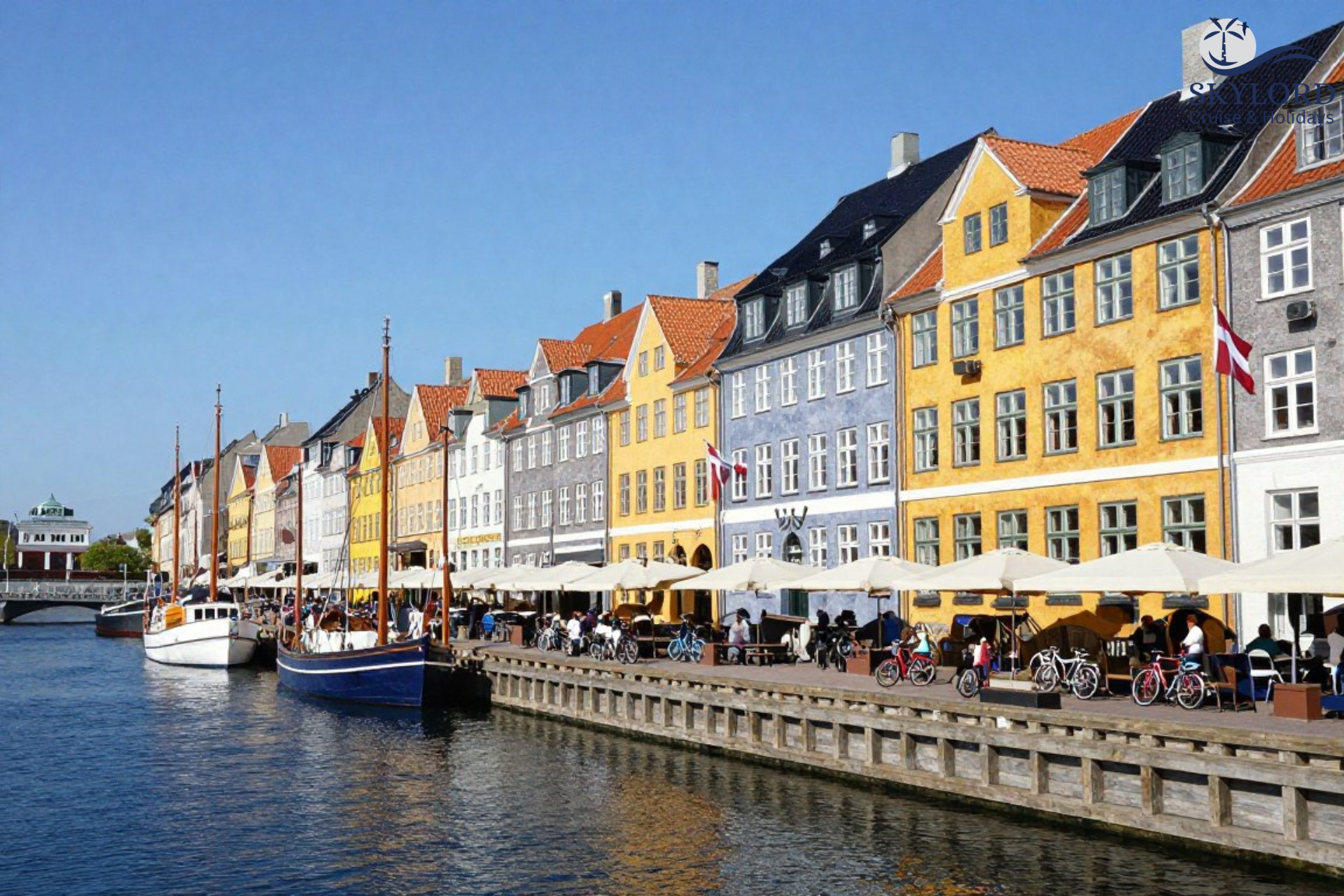
Copenhagen's Langelinie terminal benefits from the city's compact scale and cycling infrastructure. Cruise passengers can reach Nyhavn's colorful buildings, Tivoli Gardens, and the Little Mermaid statue through straightforward navigation.

Danish design sensibility permeates the city. Museums, restaurants, and public spaces demonstrate the aesthetic principles that made Scandinavian modernism globally influential.
The port serves Baltic cruise itineraries, connecting Copenhagen with Stockholm, St. Petersburg, and other Northern European cities through multi-country voyages that emphasize cultural variety.
17. Lisbon, Portugal: Hills and History
Lisbon's cruise terminal at Alcântara positions ships near the city's historic center. The port itself occupies land where Portuguese explorers once departed for Africa, Asia, and the Americas.
The city's topography challenges cruise passengers unaccustomed to steep inclines. Yet this vertical geography creates Lisbon's character: miradouros (viewpoints) reveal the Tagus River and terracotta roofs cascading toward the water.

Belém's monuments to Portugal's Age of Discovery sit within tram distance from the cruise terminal. The Tower of Belém and Jerónimos Monastery provide historical context for maritime exploration.
18. Fort Lauderdale, Florida: Alternative Gateway
Port Everglades competes with Miami as South Florida's cruise headquarters. The port's proximity to Fort Lauderdale-Hollywood International Airport makes it logistically convenient for cruise passengers arriving by air.

Fort Lauderdale itself offers beach resort amenities and the Intracoastal Waterway's yachting culture. Most cruise passengers, however, use the port functionally rather than exploring the city as a destination.
The terminal complex handles both short Caribbean cruises and longer voyages. This versatility contributes to Fort Lauderdale's position among the world's busiest cruise ports by passenger volume.
19. Rome (Additional Terminal), Italy: Eternal City's Maritime Connection
Rome's cruise access extends beyond Civitavecchia through additional terminals serving the Italian capital. These facilities acknowledge sustained demand for Rome as a cruise destination despite logistical complexities.

The eternal city's concentration of historical sites justifies these infrastructure investments. Vatican City, the Colosseum, and the Forum Romanum represent Western civilization's foundations, accessible through maritime routes.
20. Galveston, Texas: Gulf Coast Hub
Galveston transformed from hurricane-damaged coastal city to significant cruise port through deliberate development. The island's cruise terminals now serve passengers throughout Texas and surrounding states seeking drive-to cruise options.
The port's appeal lies primarily in convenience rather than destination character. Texans can drive to Galveston and embark on Caribbean cruises without flying, simplifying logistics and reducing costs.

Galveston's historic Strand District and beach culture provide modest attractions for cruise passengers with time before embarkation. The city demonstrates how regional cruise hubs serve geographic markets rather than competing on destination merit alone.
Making Sense of Cruise Port Data and Rankings
These twenty ports represent diverse success models. Some thrive through passenger volume, others through cultural significance. The number of passengers tells an incomplete story.
Quantitative Measures
- Annual passenger numbers processed
- Terminal capacity and ship berths
- Average turnaround time efficiency
- Infrastructure investment levels
- Economic impact on local economies
Qualitative Factors
- Cultural and historical significance
- Accessibility to authentic experiences
- Environmental sustainability practices
- Integration with urban fabric
- Resident community impacts

We observe patterns across successful cruise ports. Proximity to significant cultural landmarks matters considerably. Efficient transportation from terminal to attractions proves essential. Authentic local character creates memorable experiences that transcend generic tropical beaches.
The cruise industry continues evolving. Sustainability concerns, overtourism impacts, and changing passenger expectations will reshape how we evaluate port success in coming years.
Navigating Your Cruise Port Choices for the Top 20 Cruise Ports in the World
This examination of the world's leading cruise ports reveals more than a simple ranking. Each destination carries distinct strengths, serving different traveler priorities and cruise itinerary strategies.

We encourage thoughtful consideration beyond passenger statistics. Ask what each port offers your particular interests. Mediterranean cultural depth differs substantially from Caribbean beach resort appeal or Asian metropolitan energy.
The best cruise port for your voyage depends on personal priorities. Some seek maximum cultural immersion in limited time. Others prioritize relaxation and simplicity. Many desire efficient infrastructure without sacrificing authentic experience.
These twenty destinations represent maritime tourism's current state. They balance commerce with culture, efficiency with experience, and mass tourism with individual discovery. Understanding what makes each significant helps us navigate cruise planning with greater intention.