
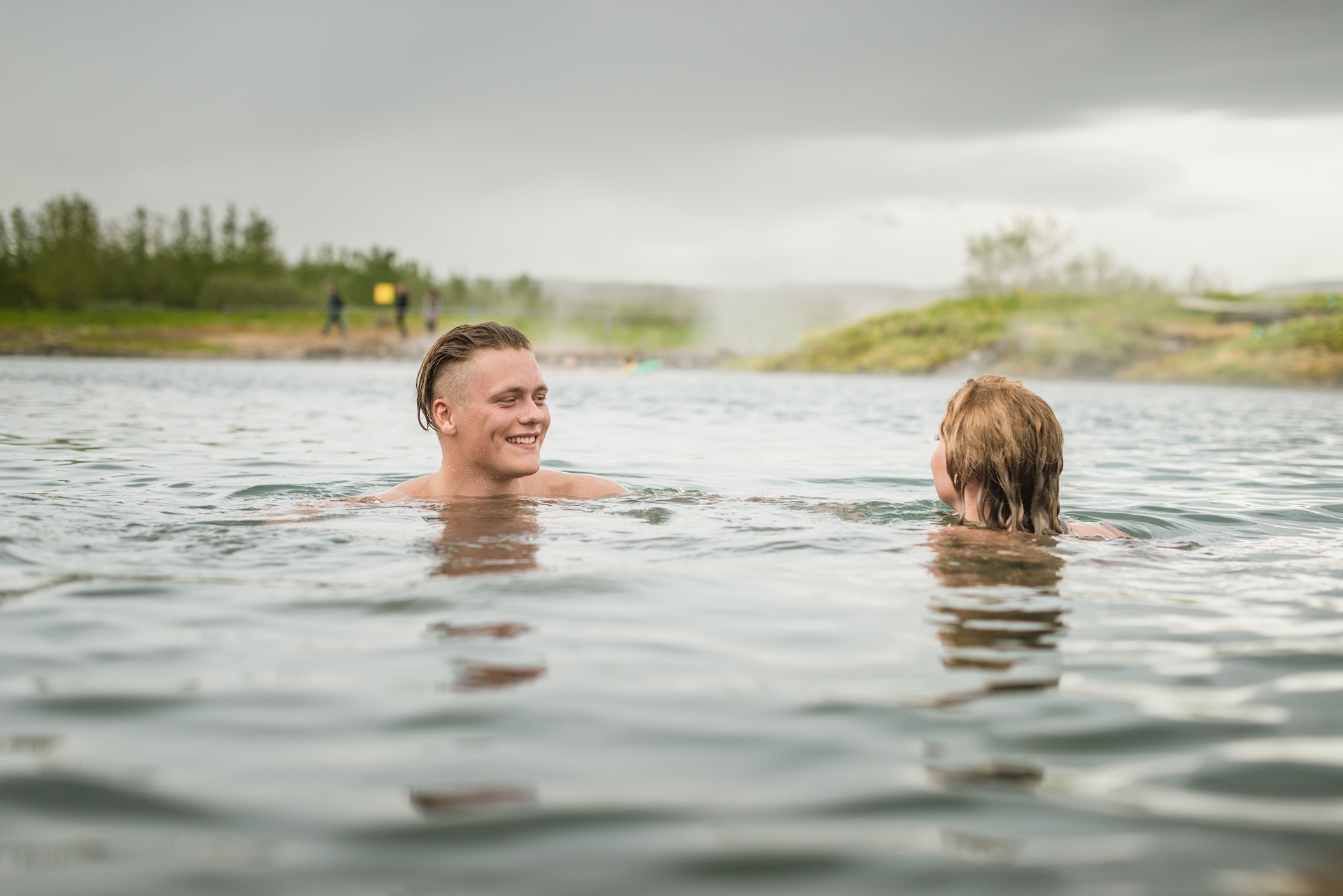
Holiday destination
Iceland
Iceland is a land of fire and ice, with waterfalls, geysers, glaciers and black-sand beaches. Reykjavík is a colourful, compact capital and the base for the Golden Circle and the south coast. In winter, the Northern Lights are a big draw.
Region: Iceland
Trip types on sale: City Break, Adventure.
Show every Iceland holidayPlaces
Reykjavík
Iceland's capital and a base for the Golden Circle.
View 8 holidays featuring Reykjavík
Best time to go
September to March for the Northern Lights; June to August for long days and road trips.
Who it suits
Couples, nature lovers, photographers and families.
Getting there
Flights from London and several UK regional airports to Keflavík (KEF), about 45 minutes from Reykjavík, take about 3 hours.
Practical
- Time: The same time as the UK in winter and 1 hour behind in summer.
- Currency: Icelandic króna
- Language: Icelandic; English is widely spoken.
Typical daytime highs
- Spring (March to May). Typical daytime highs around 4 to 9°C in spring (March to May).
- Summer (June to August). Typical daytime highs around 12 to 15°C in summer (June to August).
- Autumn (September to November). Typical daytime highs around 5 to 9°C in autumn (September to November).
- Winter (December to February). Typical daytime highs around 1 to 3°C in winter (December to February).
These are typical ranges, not a forecast.
Things to do
- Drive the Golden Circle
- Bathe in the Blue Lagoon
- Look for the Northern Lights
- See the south coast waterfalls
- Walk on a glacier
- Go whale-watching from Reykjavík
Questions
How long is the flight to Iceland?
About 3 hours from the UK.
When can I see the Northern Lights in Iceland?
Usually September to March on dark, clear nights, though they are never guaranteed.
UK passport holders should check the latest entry requirements on GOV.UK foreign travel advice before booking.