10 Things to Know Before Visiting the Blue Lagoon Iceland
10 Things to Know Before Visiting the Blue Lagoon Iceland

The Iceland Blue Lagoon is one of Iceland's most visited attractions, and yet many visitors arrive having done surprisingly little research. The result is predictable: overpaid tickets, forgotten conditioner, permanently discoloured jewellery, and a queue-filled midday experience that could easily have been avoided with twenty minutes of planning. This guide covers the ten essential things every visitor should know before stepping foot near that famously milky-blue water.
From choosing the right ticket tier to protecting your hair in silica-rich geothermal water, there is more practical ground to cover than most travel articles let on. For UK travellers looking to combine a visit with a wider Iceland or Northern Lights itinerary, specialist operators such as Skylord Cruise and Holidays offer multi-centre Nordic packages that include the Iceland Blue Lagoon as a dedicated stop, turning what could be a rushed spa afternoon into the opening act of something genuinely memorable.
What to actually expect when you arrive at the geothermal spa
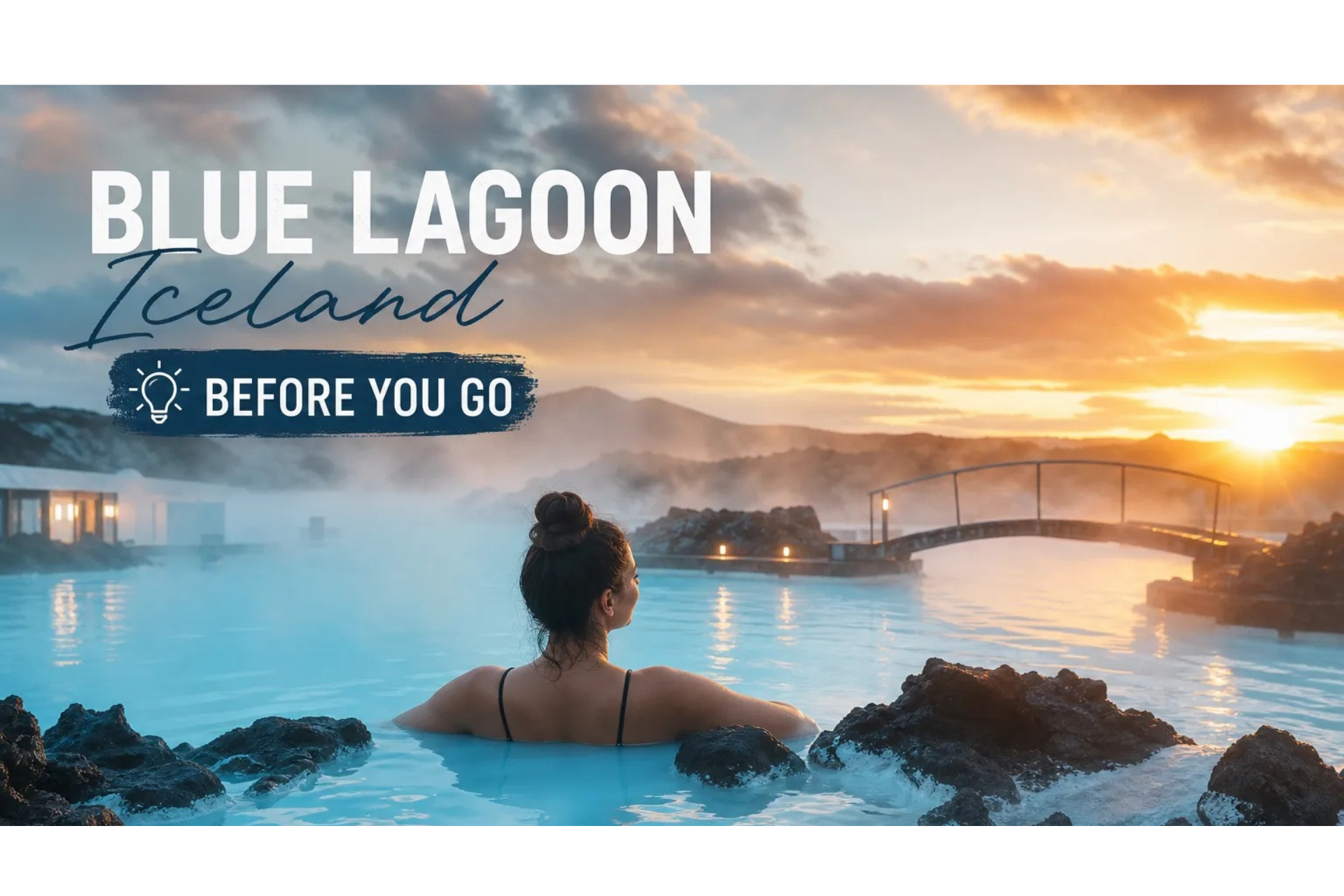
Most people picture a modest hot spring tucked quietly into the Icelandic hillside. What they find is a sprawling outdoor lagoon set inside a dramatic black lava field, with steaming blue water maintained at a comfortable bathing temperature year-round. The visual contrast alone, pale blue water against dark volcanic rock, is striking in a way that photographs simply do not capture. Understanding what you are walking into changes how you plan every other aspect of the visit.
The blue comes from silica and algae suspended in geothermal seawater. What surprises most visitors is that the water is not drawn from a natural hot spring but from the nearby Svartsengi geothermal power plant. This does nothing to diminish the experience. The water is genuinely mineral-rich, continuously replenished, and filtered regularly. The lagoon itself reaches roughly 1.4 metres at its deepest point, making it accessible for almost everyone.
The layout is larger than most expect. Beyond the main lagoon, there is a sauna, a steam room, an in-water bar, a silica mud mask station, and quieter areas for those willing to wade away from the central crowds. Retreat Spa guests have exclusive access to the separate Retreat Lagoon, which is significantly calmer and private. Go in knowing this, and you will navigate the space far more effectively on arrival.
Iceland Blue Lagoon tickets, choosing the right tier without overpaying
The ticket system is where most visitors either lose money or feel shortchanged afterwards. The Iceland Blue Lagoon operates dynamic pricing, meaning the same ticket costs considerably more on a Saturday in July than on a Tuesday in February. Knowing what each tier actually includes makes the decision straightforward rather than overwhelming. Note that prices vary by date and availability, so always confirm current fares on the official Blue Lagoon website when booking.
The Comfort tier starts from around ISK 11,990 and covers the essentials: timed entry, a towel, locker access, one silica mud mask, one non-alcoholic drink, and access to the sauna and steam bath. The Premium tier, from around ISK 14,990, adds two extra mud masks, a bathrobe, a drink of your choice including alcoholic options, and a 10 ml silica mask to take home. That step up is genuinely worthwhile if you plan to spend three or more hours there. Signature, from around ISK 18,490, layers further drinks and skincare on top. Comfort or Premium will suit most visitors who want a complete experience without the luxury price of the Retreat.
The Retreat Spa experience sits in a different category entirely. Starting from around ISK 89,000 per private suite for up to two guests, it includes a private changing suite, exclusive Retreat Lagoon access, and the Blue Lagoon Ritual. This suits couples marking a significant occasion or those staying at the Retreat Hotel who want complete seclusion.
The best and worst times to visit the Iceland Blue Lagoon
Timing a visit here is where the difference between a relaxed, otherworldly experience and a crowded, overheated queue truly lies. The lagoon is busiest between 11:00 and 15:00, with weekend afternoons, particularly around midday, among the most congested slots of the week. Avoiding that window requires nothing more than a slightly earlier alarm or a preference for evenings.
First entry, at 07:00 during peak summer months and 08:00 year-round, consistently offers the quietest experience. Evening slots from 19:00 onwards are similarly calm outside the high-summer season. Weekday visits from Tuesday to Thursday outperform weekends in almost every regard. Opening hours shift seasonally: during peak summer from mid-June to mid-August, the lagoon runs from 07:00 to 23:00; in the lower season from February to May, hours shorten to 08:00 to 20:00. Always verify the current schedule when booking, as temporary closures do occur.
Which season suits which type of traveller depends largely on what you want from Iceland beyond the lagoon itself. Summer brings the midnight sun and long golden-hour light rippling across the lava field. Winter, particularly January to March, brings the possibility of witnessing the Northern Lights from warm, milky water, a genuinely rare travel experience that very few destinations on earth can offer. April and October represent quieter shoulder-season alternatives with manageable weather and noticeably thinner crowds.
Getting to the Iceland Blue Lagoon from Reykjavík and Keflavík Airport
The Blue Lagoon sits roughly 23 km from Keflavík International Airport and around 50 km from Reykjavík city centre. That geography makes it exceptionally well placed, positioned almost perfectly between an international airport and a capital city. Transport options vary widely in cost and convenience depending on your itinerary. All fares below are indicative and can vary by operator, season, and exchange rate, so check live prices before booking.
The direct coach from Keflavík Airport takes approximately 20 to 30 minutes and costs from around ISK 7,999 one way. For those travelling in the sequence of airport, then lagoon, then Reykjavík, check whether your booking covers both legs separately, as some services require individual tickets for each. Private transfers, starting from roughly US$183, give the most control and suit families or travellers with tight flight connections.
From Reykjavík, the Reykjavík Excursions coach from BSÍ Bus Terminal takes around 45 minutes and costs approximately ISK 4,999 return, making it the lowest-cost organised option from the city centre. Taxis run from around US$85 for the airport-to-lagoon leg. A rental car suits travellers also planning to explore the Reykjanes Peninsula, where compelling stops, including the Gunnuhver geothermal vents, Reykjanesviti Lighthouse, and the Bridge Between Continents, sit within easy reach of the lagoon.
What to pack and how to protect your hair and skin in silica water
Silica is genuinely beneficial for the skin. It is considerably less kind to hair left unprotected. Ask anyone who has visited without conditioner and the story is almost always the same: stiff, mineral-coated hair that takes the rest of the trip to recover from. A few simple preparations make the entire experience far more comfortable and save you from that particular souvenir.
The technique is straightforward: apply conditioner to dry hair before entering the water and leave it in throughout your time in the lagoon. Complimentary conditioner is available in the changing-room showers, but applying it before you enter is the critical step. Keep longer hair tied up in a bun or ponytail for additional protection. After leaving the water, rinse thoroughly with fresh water, then shampoo and condition again. Hair generally returns to its normal state within two or three washes.
Beyond hair care, a few other rules deserve attention before you step in. Remove all jewellery without exception, the mineral-rich water can permanently discolour and damage metals. Contact lenses should come out before you enter, as silica can irritate eyes and damage lens coatings. A waterproof phone case is worth packing if you want photographs at the silica mud mask station. Finally, drink water consistently throughout; the warmth is more dehydrating than it feels.
On the rules side: a mandatory shower without a swimsuit is required before entry, diving and running are prohibited, and adults are limited to three alcoholic drinks during their visit. Children aged 2 and above are welcome, with those aged 2 to 13 entering free. The Retreat Lagoon and Moss restaurant carry a minimum age of 12. The lagoon is largely wheelchair accessible, with a dedicated changing room and pool-entry ramp available. It is worth contacting the venue ahead of arrival to confirm accessibility arrangements or request assistance.
Alternatives worth knowing and how to build a wider Nordic adventure
Secret Lagoon, at around ISK 3,300 to 3,500 for adult admission, sits roughly 105 km from Reykjavík near Flúðir. It is rustic, quieter, and dramatically cheaper, making it an excellent pairing with a Golden Circle day. Mývatn Nature Baths in North Iceland offer similar mineral-rich water and fewer crowds at around ISK 6,490 to 6,900, but at nearly 480 km from Reykjavík, they only make practical sense if North Iceland is already on the itinerary. For travellers flying through Keflavík, the Iceland Blue Lagoon's airport proximity alone justifies the premium over either alternative.
For UK travellers, the Iceland Blue Lagoon works best as the centrepiece of something larger rather than a standalone day trip. Reykjavík's Golden Circle, the South Coast, and a Northern Lights excursion can all be layered around it within a single week. Those wanting to extend further into Norway, Copenhagen, or the fjords will find that the logistics of connecting flights, accommodation, and excursion timing require careful coordination. Skylord Cruise and Holidays offers multi-centre Iceland and Nordic holiday packages built specifically around this kind of itinerary, handling the connecting details so you can focus on the experience itself.
Putting it all together before you go
The ten things to take away from this guide are: book early with a timed entry; choose your ticket tier deliberately rather than defaulting to the most expensive option; arrive at opening or in the evening to avoid the midday rush; protect your hair with conditioner before you enter; remove all jewellery; check transport options before you travel rather than on the day; factor in seasonal opening hours; consider the alternatives if budget is tight; build the Iceland Blue Lagoon into a wider itinerary rather than a single afternoon; and use the airport proximity if you are flying through Keflavík. These are not complicated steps, but skipping any one of them is how a genuinely special experience becomes a frustrating afternoon.
The Iceland Blue Lagoon rewards those who plan with something genuinely otherworldly. It is far less forgiving for those who arrive at noon on a Saturday in August without a reservation, wearing their rings and with no conditioner in sight. The gap between those two experiences is almost entirely a matter of twenty minutes of preparation.
If the Iceland Blue Lagoon sparks an appetite for more of Iceland or the wider Nordic region, Skylord Cruise and Holidays offers well-structured multi-centre Northern Europe and Scandinavian holiday packages that build the lagoon in as the opening chapter of a trip worth talking about for years. Get in touch with the team to find out what is available for your travel dates.